Last updated November 21, 2026
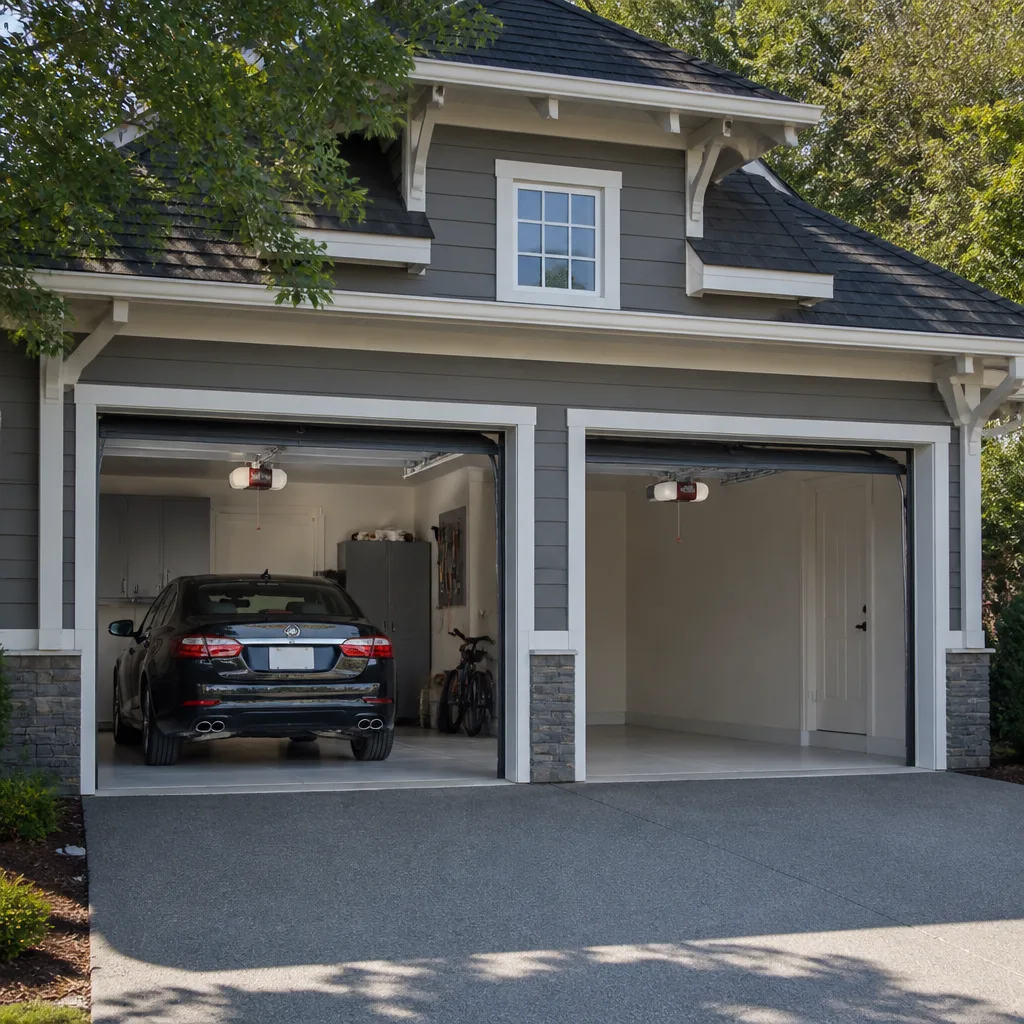
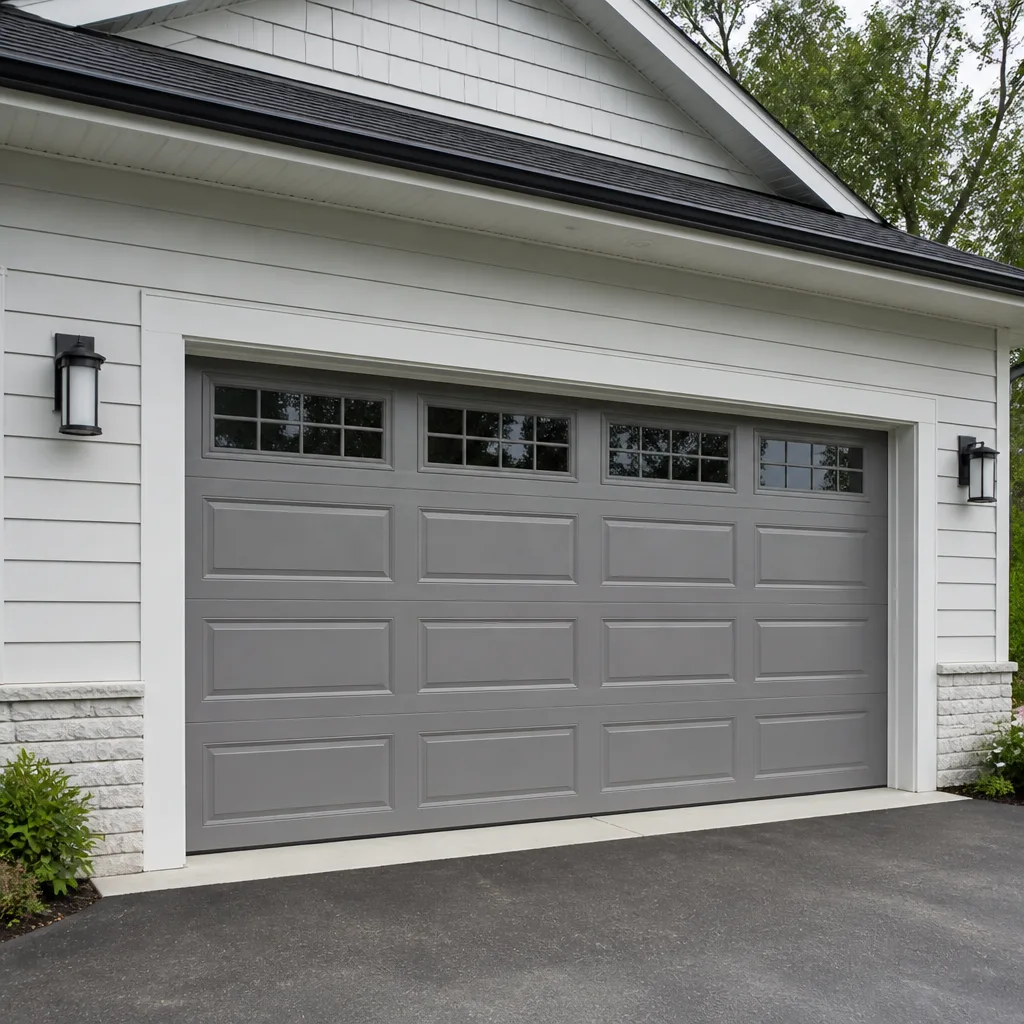
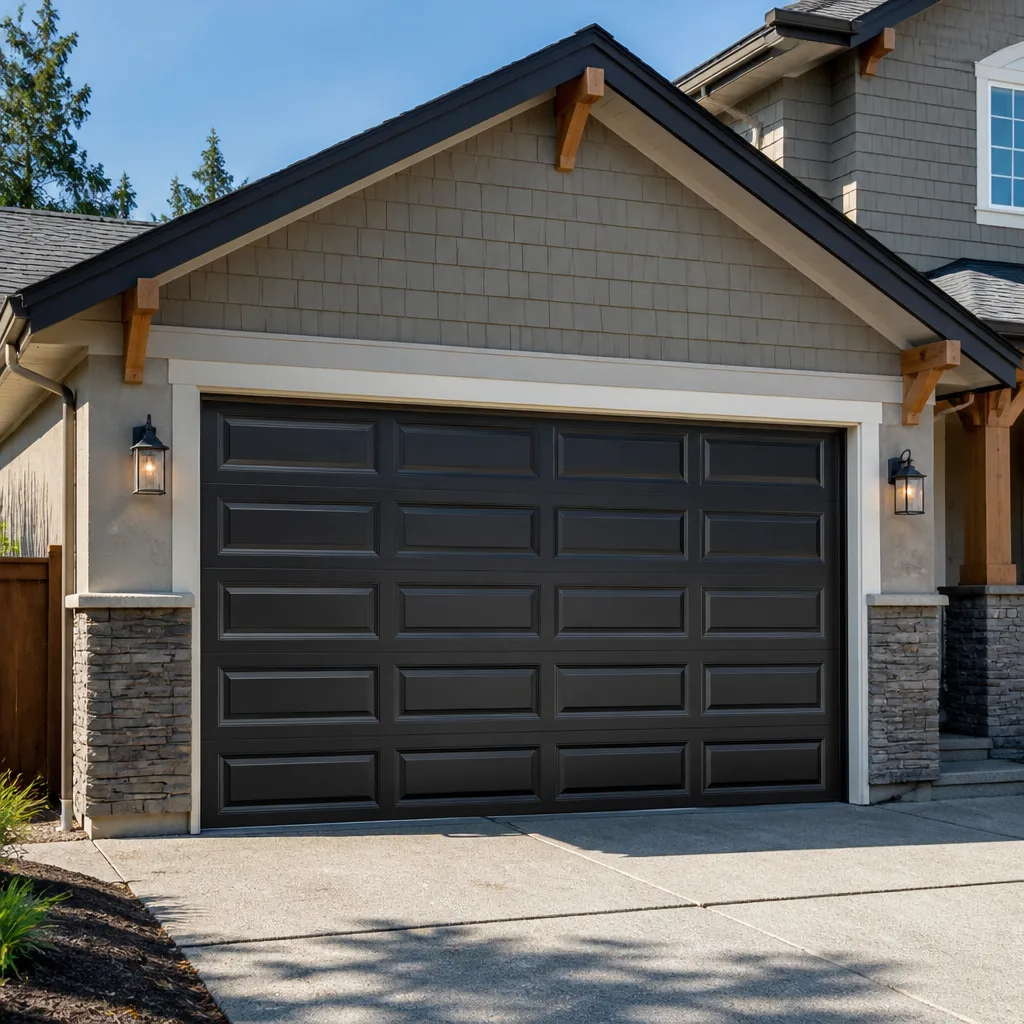 Raised-panel steel
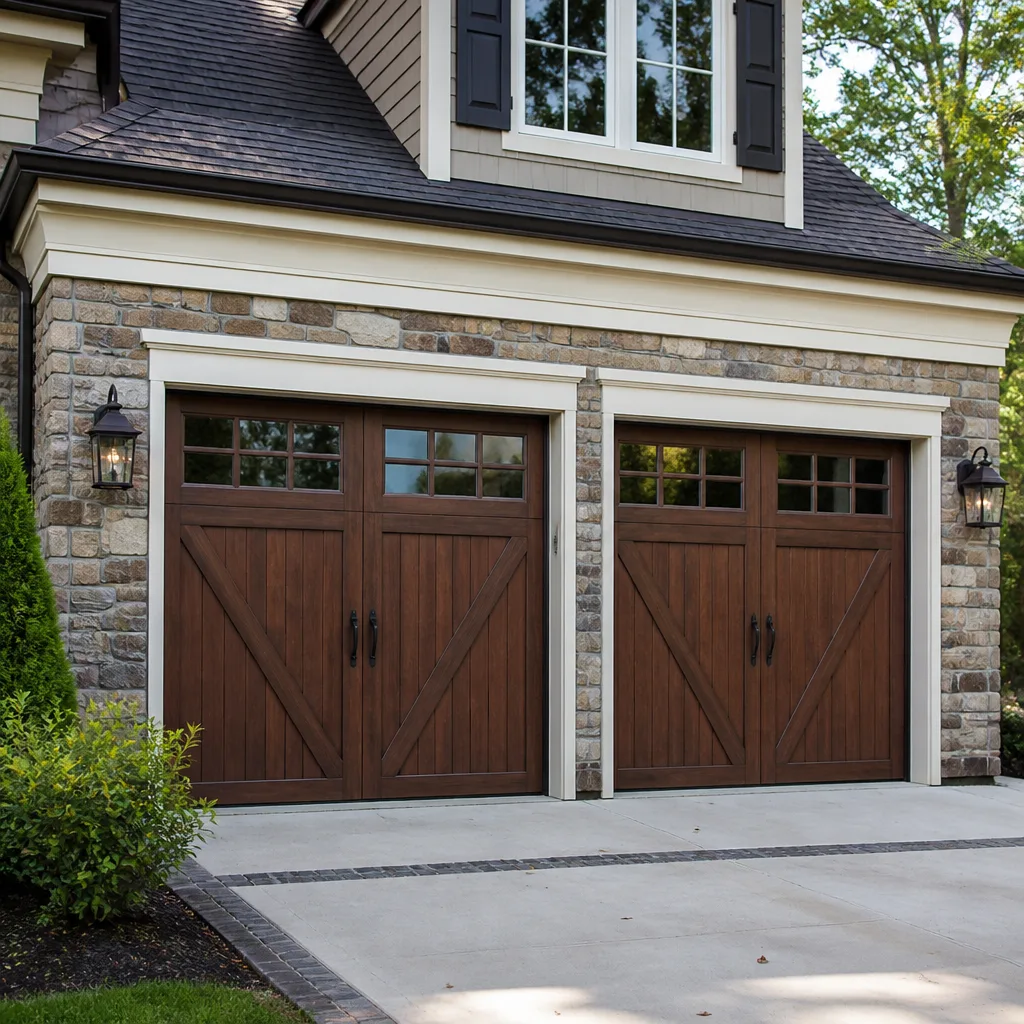 Carriage house
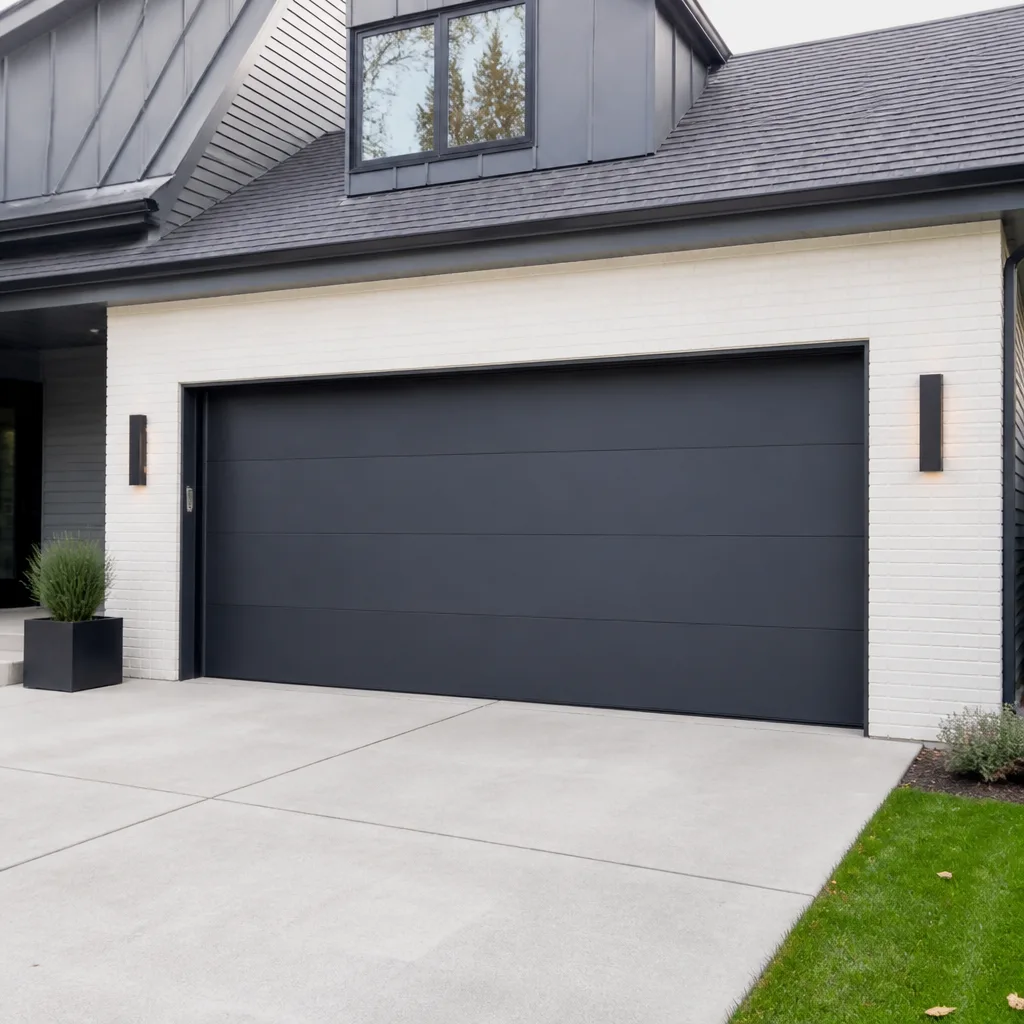 Modern flush
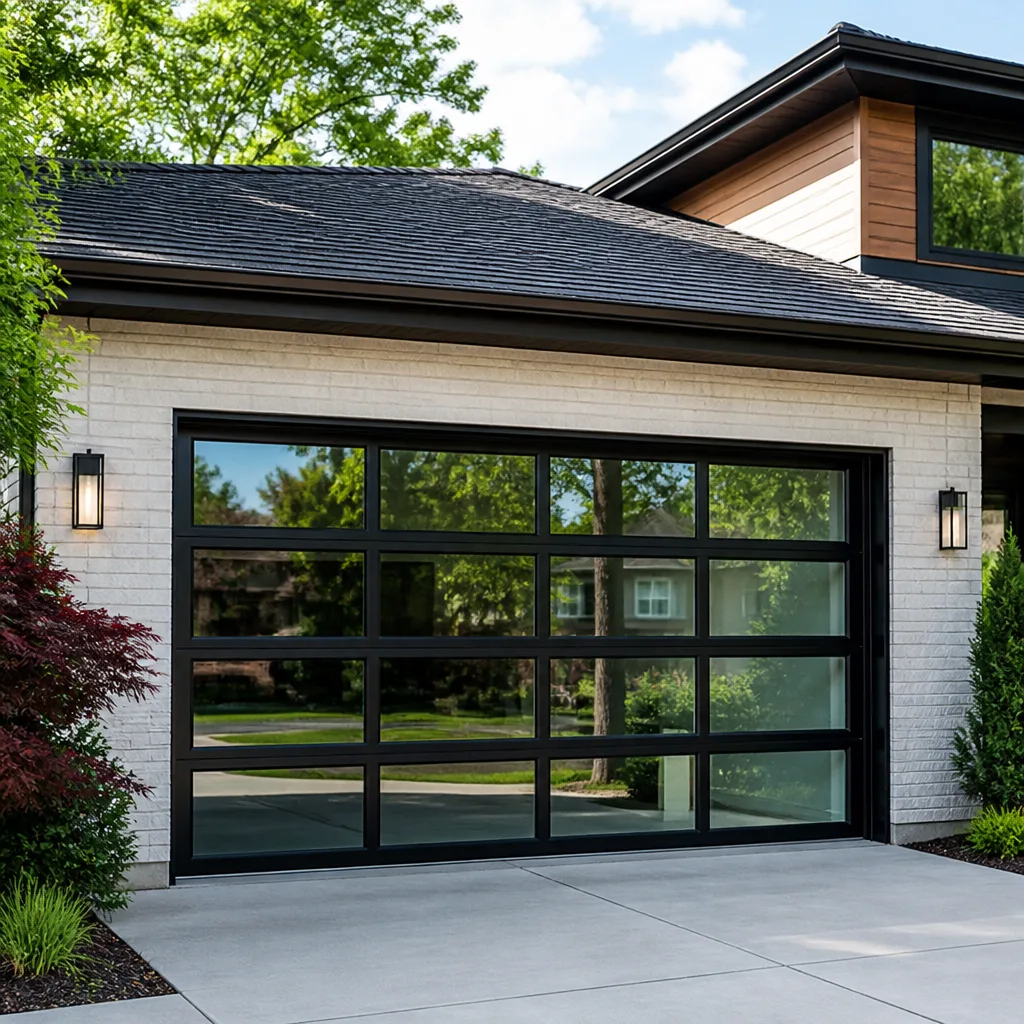 Full-view glass
 LiftMaster openers
 Chamberlain openers
Full 25-point door and opener safety check with every visit - springs, cables, rollers, tracks, and your LiftMaster or Chamberlain opener included
You get a price before we start. It does not change when the pro arrives.
Get your free estimateSeasonal Garage Door Care for Belmont Cragin: Year-Round Homeowner’s Guide
Most garage door advice on the internet tells you to “lubricate in spring and check in fall,” which is about as useful as telling you to water your lawn “regularly.” A door in Belmont Cragin doesn’t live in an average climate. It lives through a January cold snap that pulls steel and concrete in opposite directions, a spring thaw that lifts slabs, a summer humidity stretch that swells every wood panel, and an October window where the right adjustment can prevent a February emergency call. Chicago’s freeze-thaw cycle doesn’t just chew up roads; it shifts garage floor slabs seasonally, which is why a door that closes flush in July can show a light gap by February with no parts having failed at all. This guide walks through each of those four stress events and what to actually do during each one.
Quick Answer
Year-round garage door care around Belmont Cragin comes down to four checks timed to the seasons: seal check in late fall before the freeze, adjustment check after the spring thaw, hardware inspection as humidity peaks in summer, and a pre-freeze tune-up in October. Most of what looks like a broken door after winter is really a seal or alignment issue caused by slab movement, not a failed spring or opener. Handle those four windows and you’ll catch real problems early and skip a lot of emergency calls.
Styles & brands we work with
- Raised-panel steel
- Carriage house
- Modern flush
- Full-view glass
- LiftMaster openers
- Chamberlain openers
Table of Contents
- The Four Stress Events Your Garage Door Faces in Belmont Cragin
- January: The Cold Snap and What It Does to Steel and Rubber
- Spring: Frost Heave, Slab Shift, and Post-Thaw Spring Tension
- Summer: Humidity, Wood Swelling, and the Ajustment Window
- Fall: Weatherstripping Inspection Before the Freeze
- A Month-by-Month Garage Door Task Calendar for Chicago
- Common Mistakes to Avoid
- When to Call a Professional
The Four Stress Events Your Garage Door Faces in Belmont Cragin
Every garage door in Belmont Cragin goes through the same four stress events each year, and each one hits a different part of the system. Naming them helps you plan. The January cold snap tests the metal and rubber. The spring thaw tests the concrete under your door and the balance of the spring system. The summer humidity peak tests wood panels, paint, and hinges. The October pre-freeze window tests your seals and all the clearances you’ll need to survive the winter.
Most garage doors in this neighborhood are between a couple of decades and a handful of decades old, attached to garages built in the 1920s brick bungalow era through the postwar boom. That matters because the older a slab is, the more it moves. Older concrete, older wood framing, older wood doors (plenty of Clopay and Wayne Dalton doors still going strong out here) all respond more sharply to a freeze-thaw swing. A door that was fine in a newer suburban subdivision may be showing you cracks and gaps here for reasons that have nothing to do with the door itself.
The point of seasonal care is to catch the small thing before it becomes the expensive thing. A bottom seal that’s worn out in October is a draft problem. That same seal left through January is an ice-dam problem, and ice dams around a garage door frame can pop trim and push water in behind the wall. The earlier in the sequence you act, the cheaper and simpler the fix is.
What follows is a full pass through each stress event. We work on the brand you already have, so the guidance here applies whether your door is a Genie opener behind a Clopay panel or a Wayne Dalton carriage door with an older chain drive. The specifics of what to look at change with the season; the underlying idea doesn’t. Watch the door, and let it tell you when it needs attention.
January: The Cold Snap and What It Does to Steel and Rubber
The deep cold of a Chicago January does two things to your garage door. It contracts metal, and it hardens anything rubber or vinyl. You’ll notice both on the same day. A steel door that was smooth and quiet in October suddenly rattles on the tracks as it travels because the panels have shrunk a hair and opened up clearances you didn’t know existed. Your bottom seal, meanwhile, has gone stiff, which means it neither seals nor flexes the way it does in warmer months.
Here’s what to watch for in the cold snap:
- Rattling or new noises. Contraction opens up clearances between hinges, rollers, and track. A door that suddenly rattles has more play than it did, not necessarily a broken part.
- Stiff or frozen seals. If the bottom seal is stuck to the slab with frost, forcing the door up can tear it or stress the opener.
- Slower opener travel. Cold grease and stiff rollers make the opener work harder. Some older openers will strain or reverse. Don’t force a door up that’s fighting you; it’s a sign the opener is near its limit for the conditions.
- Ice at the threshold. Meltwater that runs back under the door and refreezes overnight can build up a lip that the door has to climb over with every cycle.
One easy habit for January: on the coldest mornings, stand inside the garage and watch the door travel once before you get in the car. If it’s struggling at the bottom seal, you’ll see it as the door hesitates or reverses on its own. That’s a cheap five-second check that prevents a lot of swearing at 7 a.m. If the bottom seal is frozen to the floor, break the frost free before opening the door. A broom handle can usually do it without risk to the seal.
January is also when we field the most calls about a sensor that’s failed because of snow tracked into the path of the photo-eye. That’s a quick, low-cost fix, and it isn’t a door problem at all; it’s a maintenance item. If you want to understand the full range of what can go wrong with the opener itself, our garage door opener repair page is the place to start.
Spring: Frost Heave, Slab Shift, and Post-Thaw Spring Tension
Frost heave is the headline spring event, and it’s the one most homeowners never think about, because it isn’t visible. As the ground thaws, the concrete slab your garage sits on moves. Depending on how the slab was poured and how the soil drains, that movement can be a fraction of an inch or well over an inch. The door follows that movement, and suddenly your bottom seal has a gap that wasn’t there in July. Homeowners often call in May convinced their door is out of adjustment when the door is fine and the floor moved.
Here’s how to work out whether it’s the door or the slab:
- Close the door and look at the bottom seal from outside. Note where the light comes through.
- Back the door up a foot and check the slab for new cracks, especially across the threshold where the door lands.
- Open the door fully and look at the tracks against the walls. If the tracks have moved with the slab, the door will pull unevenly.
- Check that the door is still balanced: pull the manual release and lift it halfway. It should stay put. If it drops or runs away, the springs need attention.
That last check is the critical one. Spring is the most dangerous time of year for anyone to touch spring tension, because the seasonal temperature swing is exactly what loads the spring and stresses the torsion bar, the cables, and the winding hardware. If the door fails that balance test, do not attempt to adjust the spring yourself. Torsion springs and the cables attached to them are under extreme tension, and a sudden release can cause serious injury. Genie and LiftMaster openers have safety reversing features to protect you from a bad close, but they don’t protect a person who’s holding a winding bar wrong. A trained technician should handle it.
If you notice that the door is dragging at one end, or that a gap has opened that wasn’t there before, you’re looking at a spring or alignment issue that needs eyes on it. Our garage door repair service handles exactly this. Post-thaw diagnosis is one of our busiest points in the year, and it’s for the simple reason that spring is when the whole system has just been through the biggest stress the climate can deliver.
Summer: Humidity, Wood Swelling, and the Ajustment Window
Belmont Cragin in July is humid, and humid air finds every unpainted seam on a wood garage door. Panel edges swell, and a door that closed cleanly in March starts to bind. On a wood door, the swelling usually shows first at the bottom edge of the panels where they meet, or at the meeting rails between the top and middle sections. You’ll notice the door suddenly not wanting to close fully, or the opener straining to bring it down. It’s not the opener – it’s wood that has grown by a fraction of an inch in every direction.
The adjustment window for a swelling wood door is between mid-June and mid-August, while the swelling is at its peak. That’s when you want to make the small adjustments to track brackets and hinges, not in December when the door has shrunk back and the adjustments you made in summer will leave you with a drafty, rattling door all winter. Get the adjustments done in the height of the humidity and the door will sit fine through the dry months too.
Distinguish swelling that’s cosmetic from swelling that’s structural:
- Cosmetic: paint cracking at the seams, tight spots at the hinges, a little extra effort required to close. Adjust hinges and track, register a coat of paint for October.
- Structural: the panel has warped so that the door sits visibly skewed in the opening, water has gotten into the wood and the paint is bubbling, or the door no longer seals across the full width despite adjustment. That’s usually a case for repair or replacement, and the earlier you catch it the more options you have.
Steel and aluminum doors don’t swell, but they do expand in the heat and contract overnight. This can loosen hinges and track brackets a little over the summer, so a hardware check at the end of August pays dividends through the fall. If you’re thinking about replacing a wood door that’s seen too many Chicago summers, our garage door installation page walks through what the process looks like and how we measure for a proper fit.
Fall: Weatherstripping Inspection Before the Freeze
The October inspection is the one that matters most for a Belmont Cragin winter, and it’s the one homeowners skip most often. If your seals aren’t right going into the freeze, every January problem you deal with starts there. Weatherstripping breaks down by pressure and UV, and it degrades from the outside edge in. The bottom seal and the side seals age at very different rates, so you need to look at each of them separately.
Bottom seal. Crouch at the threshold and look along the full width, from outside and from inside. What you’re looking for: cracks or brittleness in the rubber, a worn groove where the door hits the slab at the same spot every time, and visible daylight where the seal should touch. If the seal has flattened into the shape of the door bottom so that it no longer flexes, it needs replacing before the freeze. Rubber hardens in cold, so a worn seal that’s borderline in October will be useless by January.
Side seals. Run your hand down the full length of each side seal from the top inside corner to the bottom. What you’re looking for: the seal pulling away from the frame, gaps at the corners where the side seal meets the top seal, and cracks or splits in the vinyl. Side seals stop wind-driven snow and rain from getting in behind the door, and they’re usually the first component to give up after a few seasons.
Top seal. Raise the door fully, then look at the gap between the top panel and the header. The top seal should be flush against the door’s top panel and unbroken across the full width. If it’s torn, if the retainer has come loose, or if a section has gone missing, fix it before the first hard freeze.
October is also the time to lubricate hinges, rollers, and springs with a proper garage door lubricant (not WD-40). Cold grease behaves badly in the cold snap. If you’re not sure what to use, ask us – we stock and sell garage door parts directly, so you can get the right lubricant and any replacement seals without waiting on a third-party order. Fall is also the point where a door that needs adjustment is a lot cheaper to fix than the same door in January.
A Month-by-Month Garage Door Task Calendar for Chicago
This calendar tracks the actual Chicago climate pattern, not generic Midwest averages. Chicago runs cold snaps before most of the Midwest sees sustained freeze, and it holds humidity later into September than the rest of the region. Those two facts shift the whole schedule by a few weeks in each direction. Work the tasks in this order and you’ll catch each problem before it compounds.
- March: post-thaw inspection. Balance test, seal check, look for slab cracks across the threshold. Note anything that needs a spring or alignment visit.
- April: post-thaw service window. Handle any spring, cable, or alignment work called out by the March inspection before summer hits.
- May: full hardware tighten. Check every hinge screw, track bracket, and roller. Loose hardware finds its way loose again in June and July, so tighten early.
- June: begin the humidity monitoring. If you have a wood door, watch for binding at the meeting rails. Open the adjustment window as needed.
- July: peak-humidity adjustment. This is the month to make the small track and hinge adjustments on a swelling wood door, before the shrinkage of August undoes everything.
- August: hardware check. Rollers, hinges, opener chain tension. Prep for fall.
- September: paint touch-up on wood doors, and a last look at the seals before they harden. Late September days are warmer than October, which is the right time for outdoor painting.
- October: the big fall inspection. Bottom, side, and top seals, one at a time. Balance test again. Lubricate. This is the inspection that gets you through the winter.
- November: pre-freeze tune-up. Any seal replacements or adjustments need to be done before the first sustained freeze, because the work gets harder and the parts fail faster once it’s cold.
- December: begin cold-snap monitoring. Watch for ice at the threshold, slow opener travel, and stiff seals on the coldest mornings.
- January: cold snap management. Break frost free at the threshold before opening, watch the door travel on the coldest mornings, keep the sensor path clear of snow.
- February: coldest month. If the door has been struggling all season, this is when it shows. If the opener is near its limit, expect it to fail. Have the number of a garage door repair specialist on the fridge in case.
What this calendar doesn’t list is opening the door and walking away while you wait for something to break. That’s the “plan” that produces most emergency calls in Belmont Cragin. Seasonal care, in a climate like this, is really a series of small, timed inspections. The tasks themselves are unglamorous. The results are a door that doesn’t fail at the worst possible moment.
Common Mistakes to Avoid
- Adjusting the spring based on a summer observation. If you adjust a door in July to sit flush with the slab and the slab moves in October, you’ll have a door that’s under-sealed or over-tight all winter. Always check the door against the current slab position.
- Greasing with WD-40 or a random household oil. Garage door components need a lubricant that stays where it’s put and doesn’t thin out in cold. The wrong lubricant in January is worse than no lubricant.
- Skipping the October inspection because the door “feels fine.” Fall is when a worn bottom seal is invisible to a homeowner who’s been stepping around it for a decade. It’s only visible from a crouch, at eye level, in daylight.
- Ignoring a swelling wood door in July. Homeowners often wait until September to call, then want the door adjusted in October when it’s shrunk back – which produces the wrong adjustment. The right time is when the swelling is present.
- Tightening track brackets onto a moving slab. If the slab is shifting, tightening the tracks against the garage frame can rack the door. Check for slab cracks first; the tracks follow the floor, not the other way around.
- Trusting a “spring tension” video for DIY work. Torsion springs are the most dangerous component in the system, and there’s no safe DIY method for adjusting one. We handle the dangerous jobs for a reason.
- Leaving snow packed under the door. A snow drift at the threshold melts to water and refreezes into a lip that stresses the door and the opener on every cycle. Clear the threshold after every snow.
When to Call a Professional
Some seasonal tasks are fine for a homeowner with a ladder and a Saturday morning. Others genuinely need a trained technician, and the line is clearer than most people think. Call us if the door fails the balance test, if a spring is visibly stretched or broken, if the cables are loose or frayed, or if the door has come off one of its tracks. Call us if the opener reverses unexpectedly on its own, if the door sits visibly skewed in the opening despite adjustments, or if you’re seeing daylight through a seal that you’ve just replaced. Call us before you paint a wood door that has warped, because the paint won’t fix the warp. And call us if you’re facing spring work in the post-thaw window, because that’s the wrong time of year to gamble on DIY.
Garage Door Repair Belmont Cragin offers free estimates in Belmont Cragin. Our technicians have up to 10 years of experience, we work on the brand you already have (Genie, Clopay, Amarr, Wayne Dalton, and the rest of the eight-brand lineup), and the price is quoted and agreed before any work starts. Call (833) 468-5695 for a free estimate. We’re a garage-door-only specialist, so every technician, every tool, and every part on hand is focused on the door you’re calling about. Nothing else.
See the difference
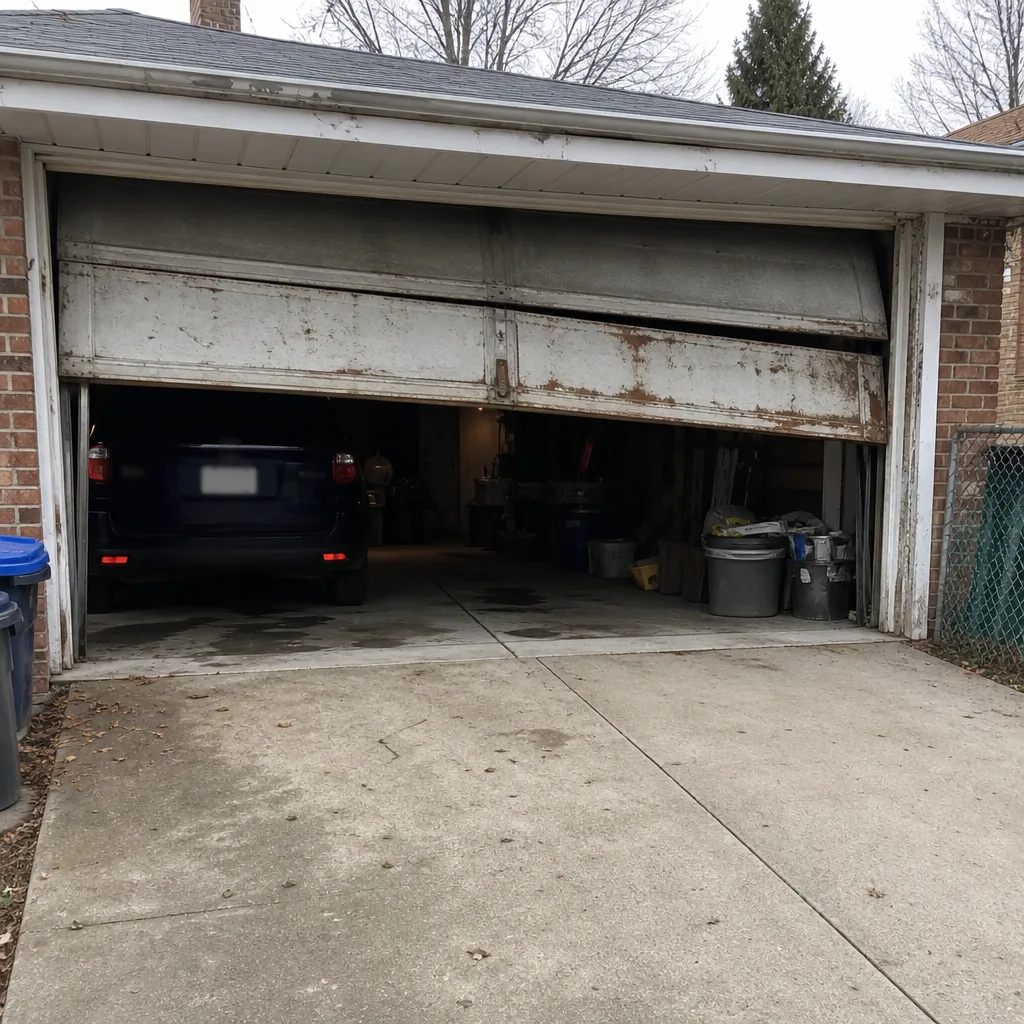 Before
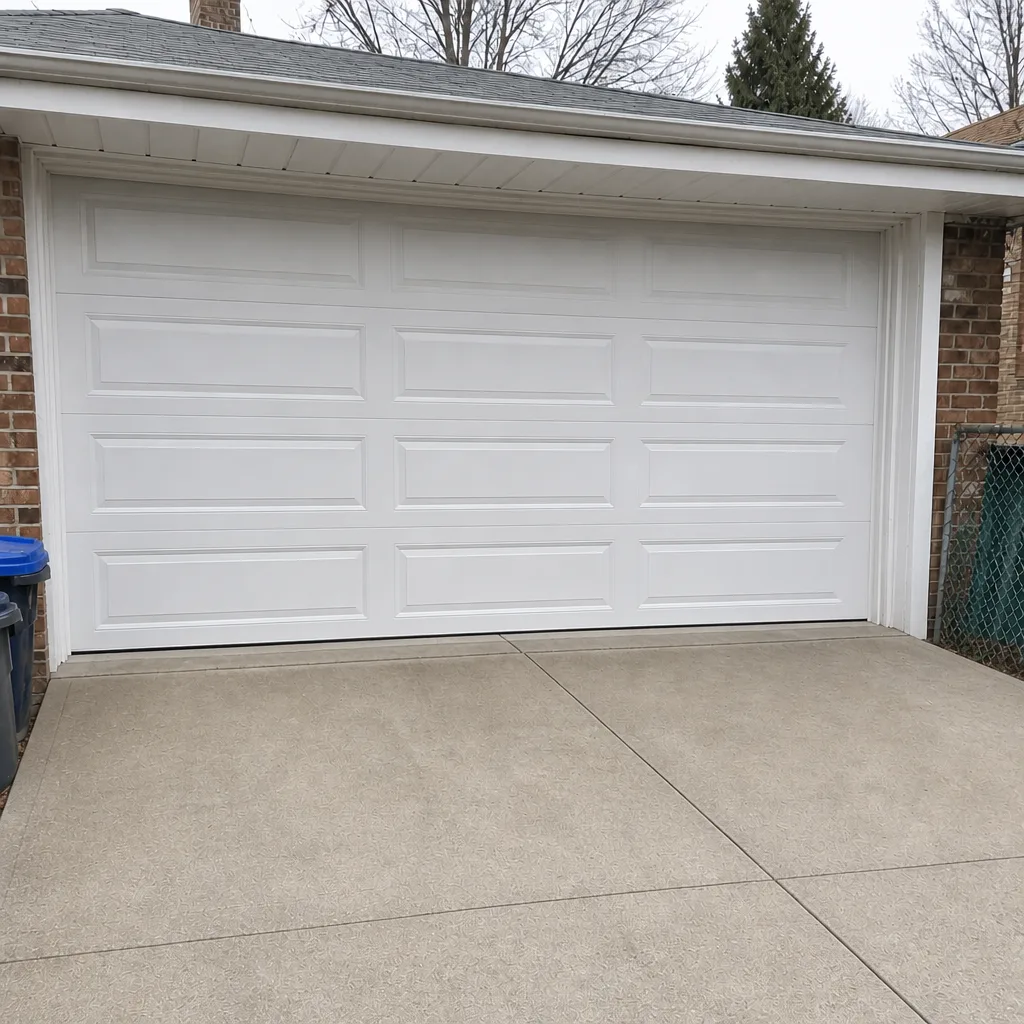 After
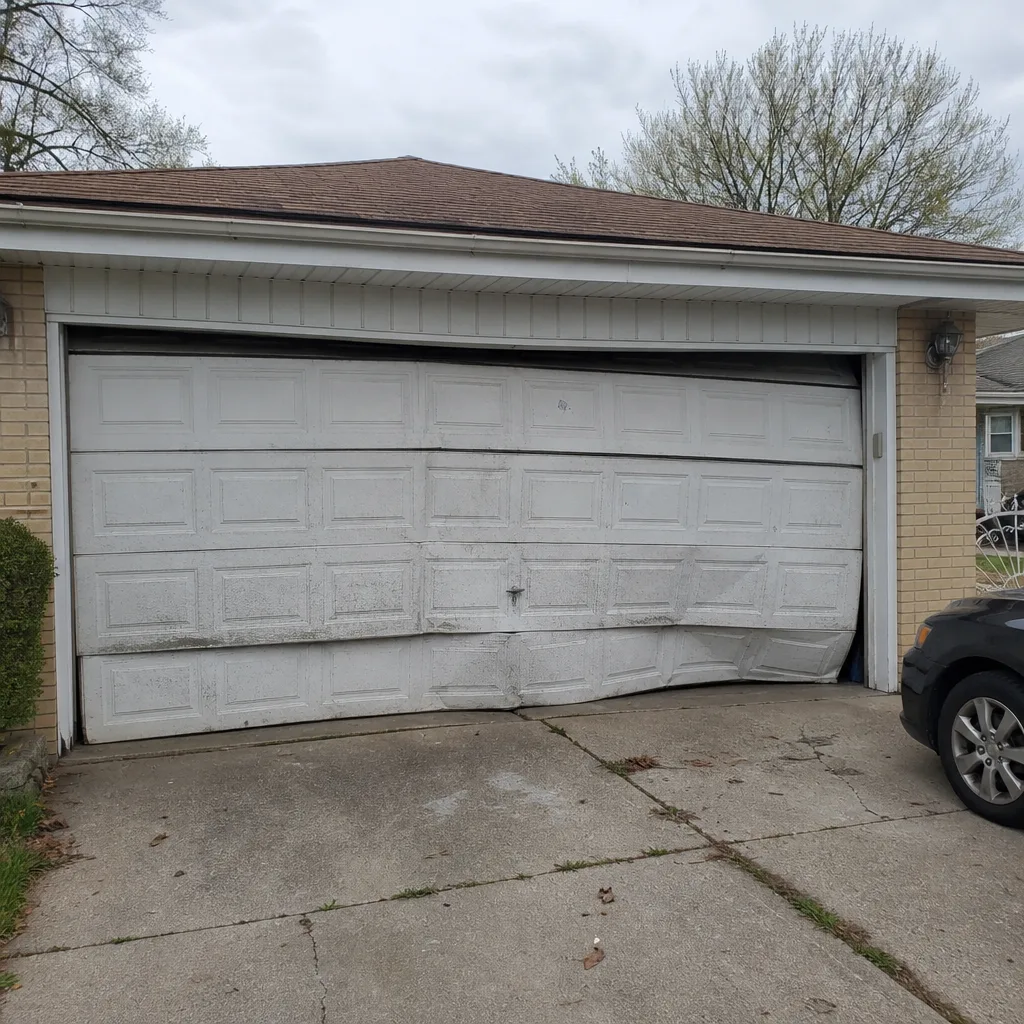 Before
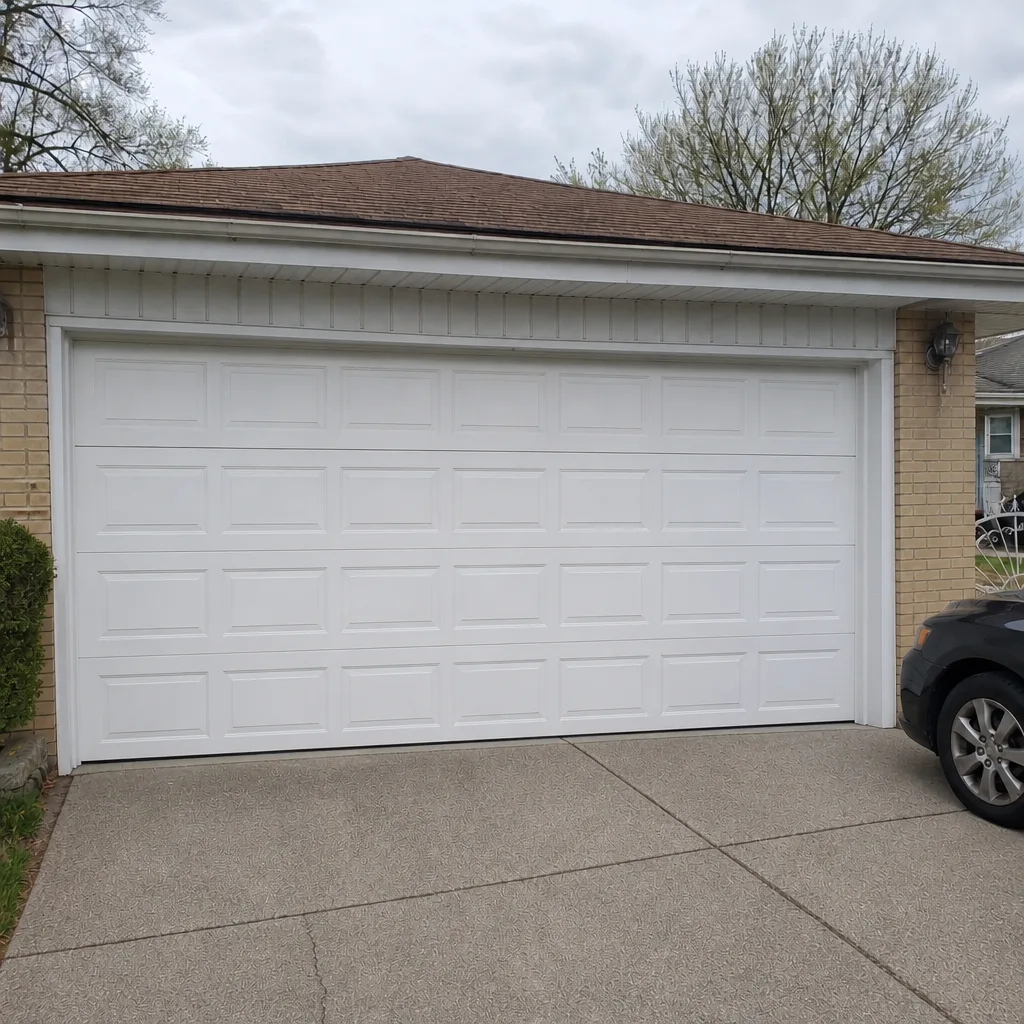 After
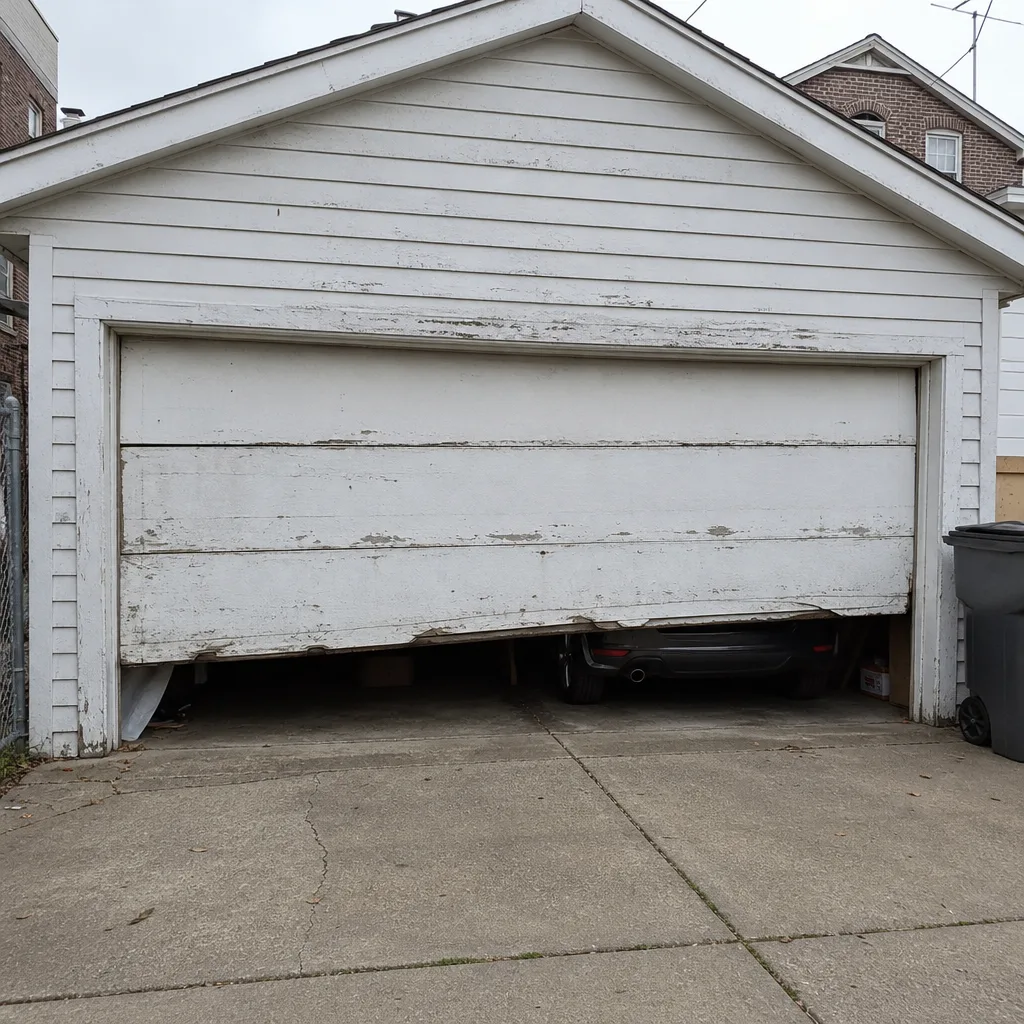 Before
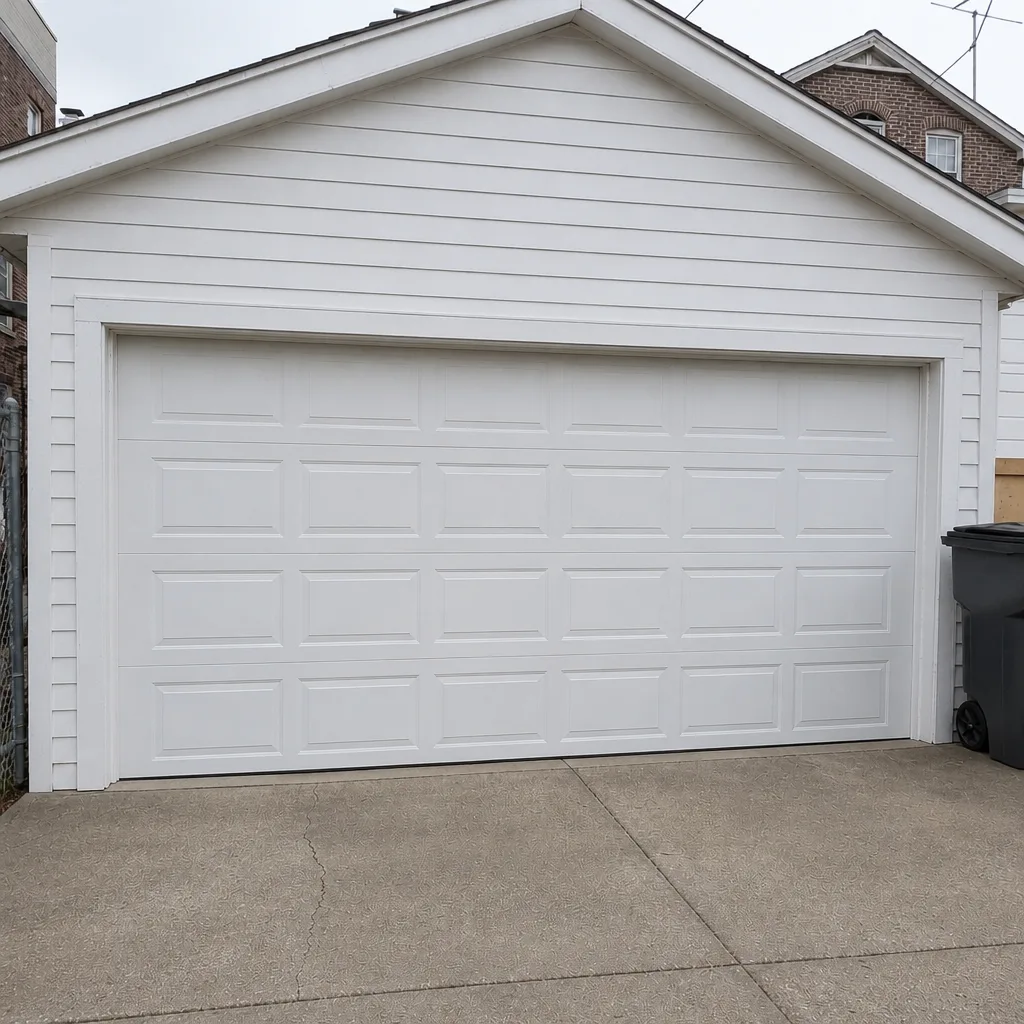 After
Frequently Asked Questions
Yes, and October is the best window. Chicago’s first hard freeze usually hits before November, and once rubber hardens you can’t reliably judge whether a seal is worn or just cold. Checking in October means you can still replace a failing seal before the freeze hardens it. It’s a 15-minute job if you do it right: crouch, look along the full width of the bottom seal, then work up each side seal, then the top seal. Call (833) 468-5695 if you’re not sure what you’re looking at.
Almost always frost heave moving the floor slab, not a door failure. As the ground thaws and refreezes, the concrete under your door shifts, and the door stays where it is while the floor moves away from it. The fix isn’t a spring adjustment; it’s a check of the slab and the seal, followed by the right adjustment once you know what moved. In our experience this is the single most common “broken door” call between December and March. Call (833) 468-5695 for a look before you assume a spring or opener issue.
No. Torsion springs, and the cables attached to them, are under extreme tension, and a sudden release can cause serious injury. Spring is the most dangerous season because the temperature swing loads the spring and stresses the whole assembly at the same time. If your door fails the balance test after the thaw, that’s the point to call a trained technician, not the point to try a YouTube tutorial. Call (833) 468-5695 and we’ll take care of it.
Swelling from humidity is reversible: the door binds at the meeting rails, tightens at the hinges, and requires a little extra effort to close, but the panels are still flat and the paint is intact. Damage is different: warped panels, bubbled or cracked paint that’s lifting away from the wood, and a door that won’t seal across the full width even after adjustment. Adjust the swelling in the summer window; treat the damage as a repair concern. Call (833) 468-5695 for a free assessment.
October, followed by April. October is the pre-freeze window, so you catch worn seals and any pre-winter adjustments before the cold locks them in. April is the post-thaw window, when you want a balance check and any alignment work before summer heat adds another stress. Both are a lot cheaper than a January emergency call. If your door is visibly struggling now, don’t wait for either window. Call (833) 468-5695 – estimates are free.
Usually, yes, if the adjustments are made while the swelling is at its peak. The mistake is adjusting in September or October when the wood has dried back; those adjustments won’t hold because the door will shrink back in the dry months, leaving you with a drafty door all winter. Make the adjustment while the swelling is present, and the door will sit correctly through the whole cycle. If you’re not confident in the adjustment, call (833) 468-5695.
The Bottom Line
Seasonal garage door care in Belmont Cragin isn’t about a list of tasks to tick off; it’s about respecting the four big climate events that hit this part of Chicago every year. The January cold snap stresses metal and hardens rubber. The spring thaw moves the slab and loads the springs. The summer humidity peak swells wood. The October pre-freeze window is where you lock in the adjustments that carry you through winter. If you do nothing else, do the October inspection and the April balance check. Those two checkpoints catch the majority of problems before they become emergency calls. Everything else is fine-tuning. And when the fine-tuning means handling a spring or opening a stuck door, that’s not a homeowner job. Our technicians have up to 10 years of experience, and we do garage doors only, so the person who arrives at your door has been focused on this system the whole time. Call (833) 468-5695 for a free estimate and we’ll take it from there.
Written by the team at Garage Door Repair Belmont Cragin.