Last updated November 21, 2026
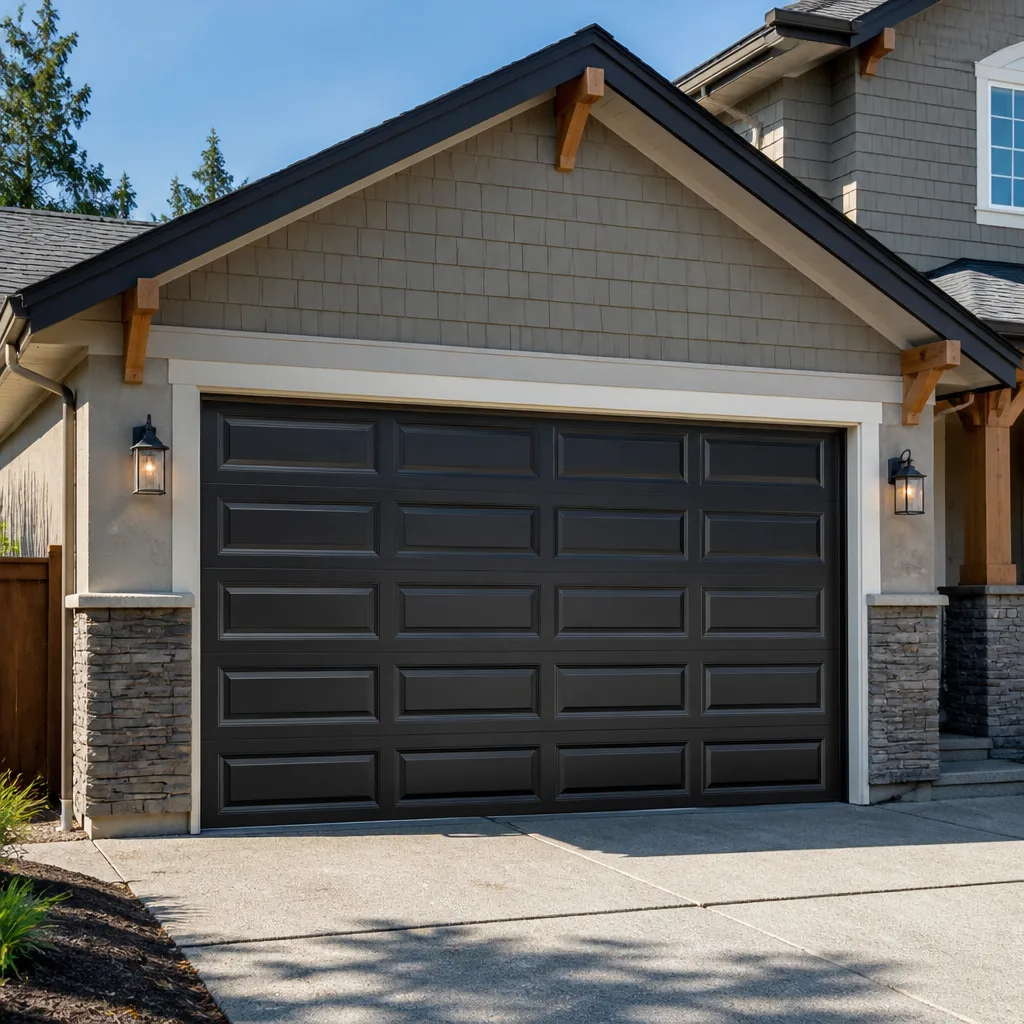 Raised-panel steel
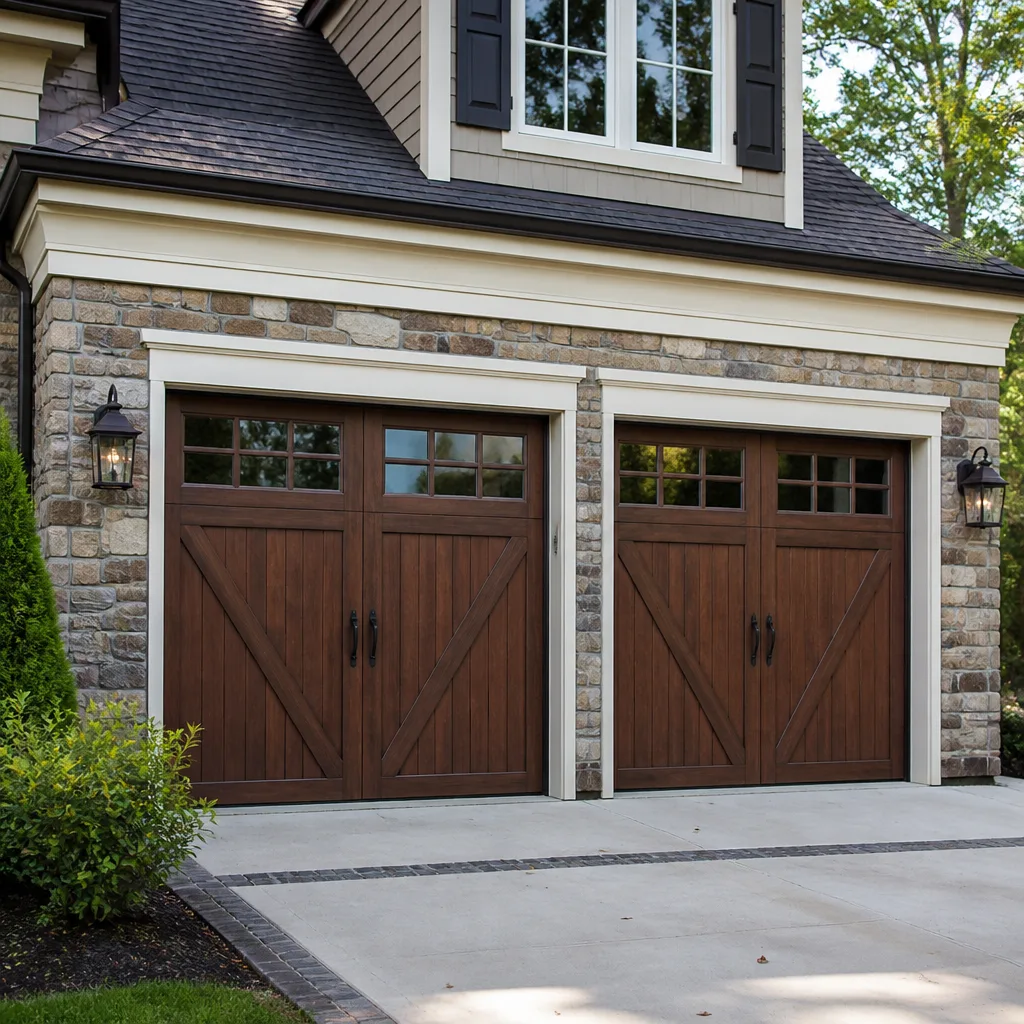 Carriage house
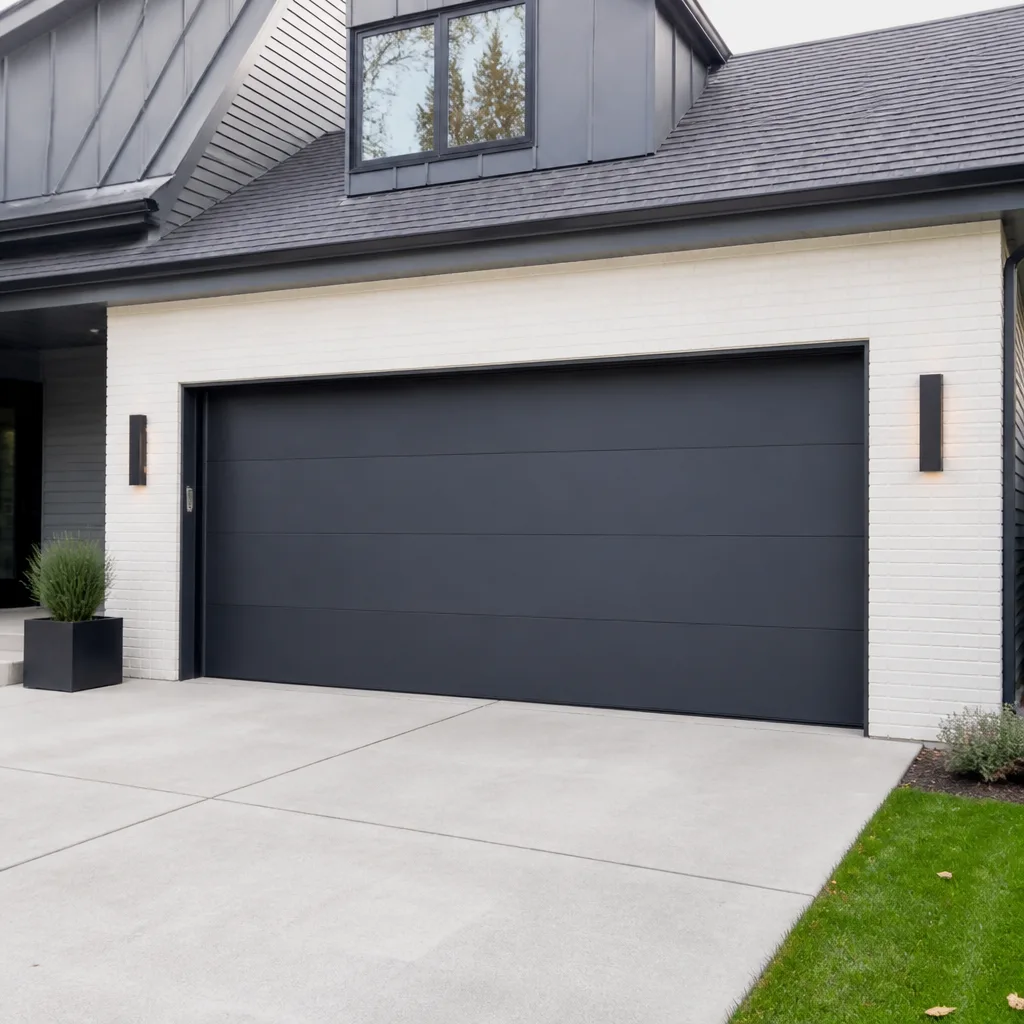 Modern flush
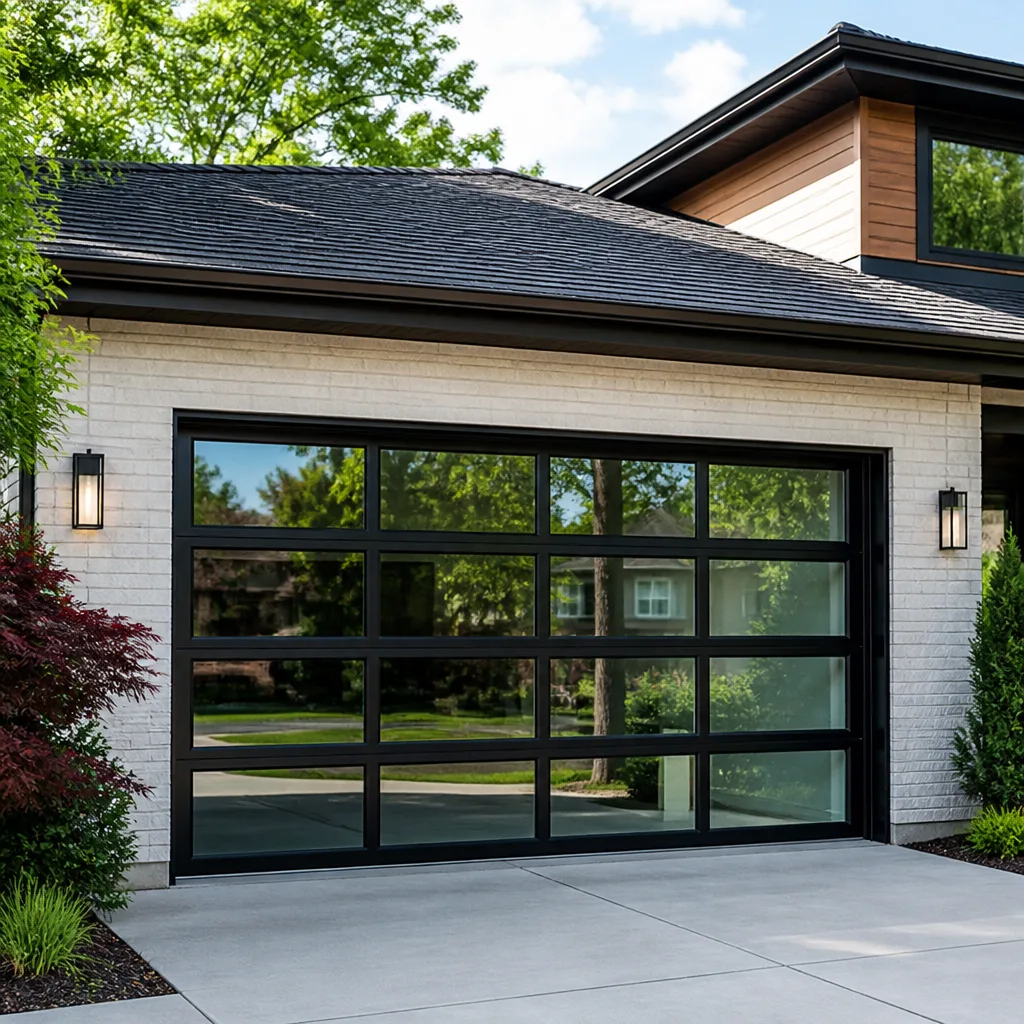 Full-view glass
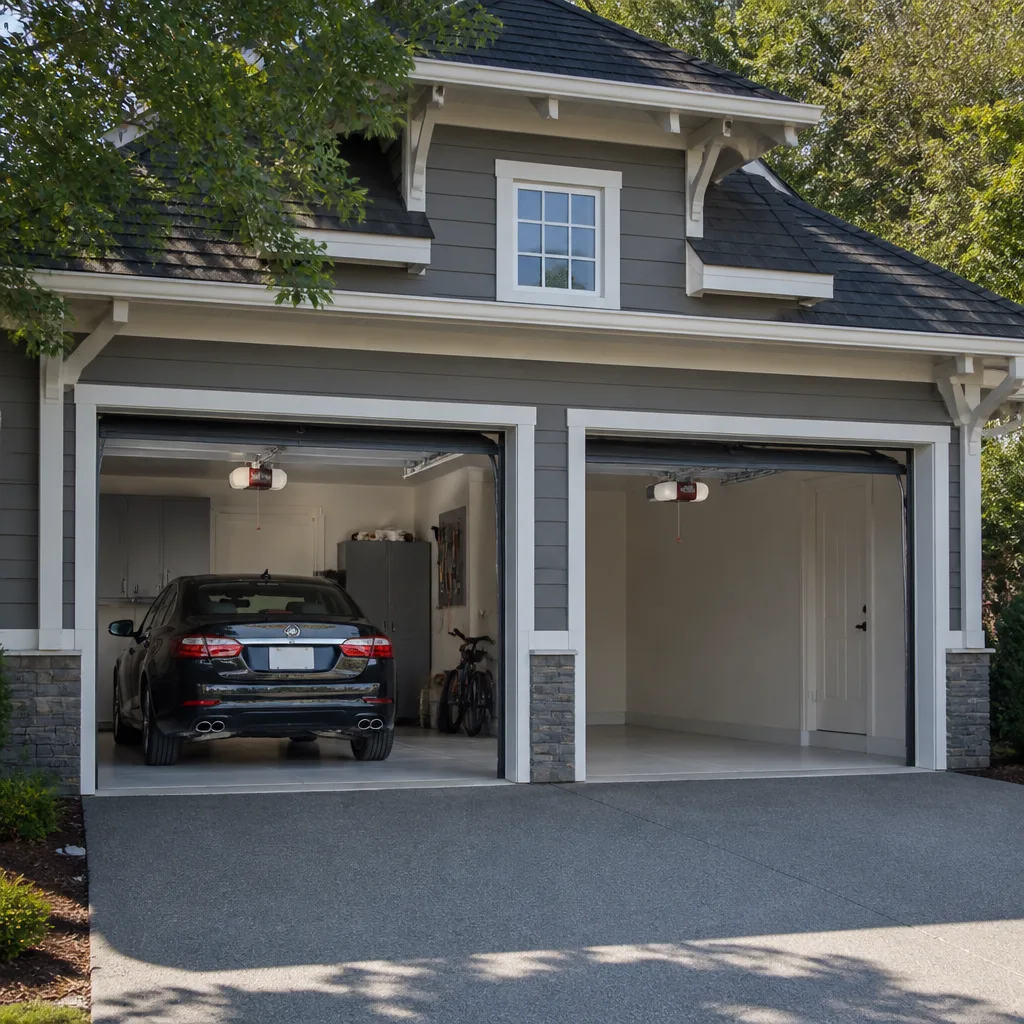 LiftMaster openers
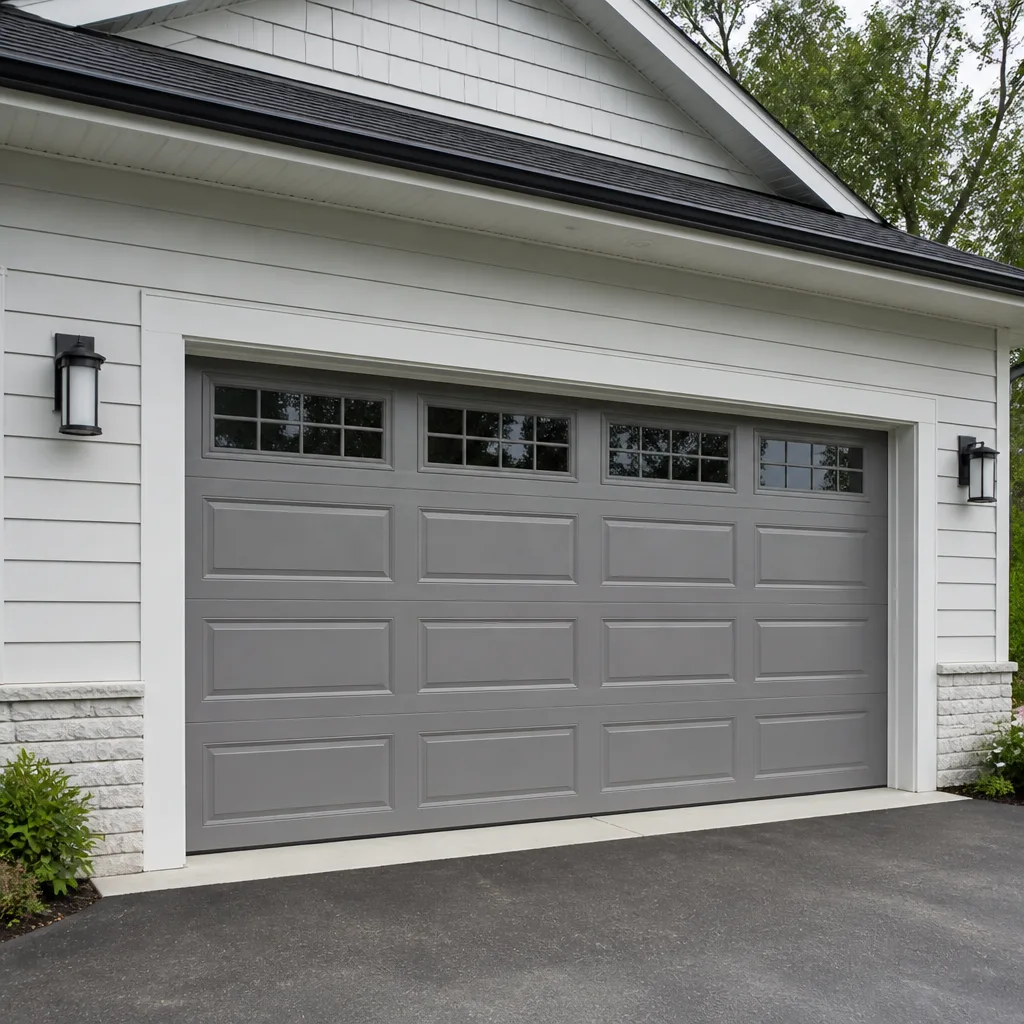 Chamberlain openers
Full 25-point door and opener safety check with every visit - springs, cables, rollers, tracks, and your LiftMaster or Chamberlain opener included
You get a price before we start. It does not change when the pro arrives.
Get your free estimateHow to Hire a Garage Door Contractor in Belmont Cragin: A Step-by-Step Guide
Most people shop for a garage door contractor the way they’d shop for a lightbulb: call the first number with a low service fee, assume the tech will be fair, and settle up when it’s done. That approach gets expensive in this trade. The garage door industry has a quiet problem with pricing that depends on the customer not knowing what a spring or a bearing plate should cost, and the low advertised trip charge is usually just the moment the meter starts running. So the real skill isn’t finding someone with a van. It’s knowing which questions separate a true garage door specialist from a generalist who happens to own a ladder.
This guide walks through every step of hiring a garage door contractor in Belmont Cragin, from the phone call to the signed estimate. You’ll learn the five questions to ask before you schedule, how to read an estimate line by line like someone who’s seen a hundred of them, what Illinois licensing does and doesn’t cover for this trade, and the specific red flags that show up in the Chicago market.
Quick Answer
To hire a garage door contractor in Belmont Cragin, call at least two companies, ask specific questions about their spring inventory, parts sourcing, and licensing before you book, get a written line-item estimate that separates labor from parts, and never approve same-day work based on a verbal quote. The company you want can answer questions about your exact brand and part without needing to “check with the office,” and its estimate names every component it plans to replace.
Styles & brands we work with
- Raised-panel steel
- Carriage house
- Modern flush
- Full-view glass
- LiftMaster openers
- Chamberlain openers
Table of Contents
- Why a Garage Door Specialist beats a Generalist
- The Five Questions to Ask on the Phone Before You Schedule
- How to Read a Garage Door Estimate Line by Line
- What Illinois Licensing Actually Covers for Garage Door Work
- Red Flags Unique to the Chicago Market
- How to Compare Quotes When the Words Don’t Match
- Belmont Cragin Context: Climate, Housing, and What Fails Here
- How to Schedule the Job and What to Expect on the Day
Why a Garage Door Specialist Beats a Generalist
A garage door is a balanced system of springs, cables, drums, hinges, and rollers working under constant load. It’s not a door on a hinge. The spring above your door holds hundreds of pounds of tension. That’s why the trade splits along a clear line: specialists build their entire operation around this one machine, and generalists treat it as one item on a long list.
That distinction matters most when something goes wrong. A generalist handyman can adjust a track and replace a roller. What they usually can’t do is match a torsion spring to a door’s weight, wire a safety sensor correctly on a specific opener circuit board, or tell you your cracked bottom section is a stress failure rather than impact damage. In our experience, those jobs get declined, subcontracted to someone else, or done with whatever part the generalist could pick up at a store that morning.
We work on the brand you already have. That’s the practical difference. The equipment in Belmont Cragin garages is dominated by a handful of manufacturers, and a technician who works on Amarr doors one hour and Wayne Dalton the next knows the failure patterns for both. A generalist may spend the whole day on plumbing, then show up at your garage at dinnertime with no inventory and no memory of the last time they touched a torsion system.
Springs, openers, panels, full replacements. When one company handles all four, the diagnosis stays honest. There’s no incentive to push a new door because the tech can’t source a replacement panel, and no referral chain inflating the bill. That’s the “right fix, not the most expensive one” principle, and it’s easiest to honor when a company only does garage doors.
For a starting point on what repair work looks like here, see our Garage Door Repair Belmont Cragin page. It lays out the common failures we see across the neighborhood, from snapped springs to opener logic board failures, and it’s a natural first read if you’re still deciding whether your door needs a repair or a replacement.
The Five Questions to Ask on the Phone Before You Schedule
This is the step most homeowners skip, and it’s the one that saves the most money. A phone call of five minutes tells you more about a garage door contractor in Belmont Cragin than a website ever will. A specialist can answer these questions without pausing. A dispatcher reading a script can’t.
- “Do you carry torsion springs in multiple sizes on hand, or do you order them?” Torsion springs come in dozens of wire gauges and lengths, and a door’s weight determines which one is correct. A specialist who stocks springs in multiple sizes swaps the right part in one visit. A company that orders them, or sources from a van, turns a one-hour repair into a two-visit job.
- “Can you tell me which parts you keep in stock and which you order?” The answer should include specific component names: rollers, hinges, cables, drums, safety sensors, and common opener gears. Vague answers about “a full stock” mean everything gets ordered.
- “Is the person coming out an employee of your company or a third-party contractor?” This is the biggest one in Chicago. Some businesses are dispatch services that sell your job to whichever independent technician is available that day. The person at your door may never have spoken to the company you called.
- “What’s your physical business address, and what’s the phone number I should call if I have a problem afterward?” A real local operation can give you both. If the dispatcher deflects or gives a P.O. box in a different state, you’re likely dealing with a lead-generation service.
- “Will the technician give me a written estimate before any work starts, and is there a separate trip charge?” The answer you want is straightforward: a written estimate, line-item pricing, and a clear trip charge stated up front rather than buried in labor.
Ask these questions before you book, not when the technician is in your driveway. A company that can’t answer them on the phone will not answer them at your door either. For more on how the diagnostic visit should go, look at our page on garage door repair.
How to Read a Garage Door Estimate Line by Line
A good estimate is a short, legible list. A bad estimate says “repair door: $XXX” and leaves the rest to your imagination. Learning to separate the negotiable lines from the fixed ones helps you argue down the right parts and stop worrying about the others.
Start with a direct answer to how pricing should look on paper. An estimate should separate parts from labor, name the quantity, and match the price to a specific component rather than a category. When a company writes “spring replacement $380” with no sizing or material spec, you have nothing to compare against the next quote.
What a Well-Written Estimate Includes
- Component, quantity, and spec. “Two torsion springs, 2″ inside diameter, rated for the door weight” is useful. “Springs” is not.
- Labor separated from parts. Both lines may be fixed, but you can’t judge the markup until you can see it.
- Trip or service call fee, stated up front. Separate from the repair, and never “waived” on paper only to reappear in labor.
- Any disposal, haul-away, or door-balance labor if the door has to come down.
- Tax line and any additional charge for after-hours work. Ask whether any surcharge applies before you book.
Which Line Items Are Negotiable and Which Are Fixed
Fixed costs are the ones tied to materials and safety that don’t come down because you pushed back. Spring wire, cable lengths, and bearings are what they are. Rollers and hinges vary by grade, and a contractor may quote a standard-duty roller when a heavy-duty one would last longer for a small difference in price. That’s a conversation worth having.
Labor is usually negotiable only in the sense of scope. If the estimate calls for replacing both torsion springs on a door that’s been serviced recently, ask whether the second spring shows stress. If it doesn’t, maybe one is enough. If the door is over a decade old and the springs were installed together, replacing one and leaving the other is a mistake waiting to happen. Matched pairs wear together.
Openers work the same way. A replacement opener quoted at a retail price plus install labor can usually be priced in one line or split into two, and asking for the split tells you how much of the total is equipment versus installation. If the split reveals a markup over retail that you can’t justify, ask. That’s the core reason we recommend a written estimate signed before any work begins.
If a new door is on the table rather than a repair, the math works differently. Our garage door installation page explains the measuring and ordering timeline and what to expect on the day of the install.
What Illinois Licensing Actually Covers for Garage Door Work
Illinois does not have a statewide license class specifically for garage door installers and repair technicians. That surprises most homeowners. What the state does have is a general contractor framework that applies to certain remodeling and construction work, and individual municipalities layer their own permit and registration rules on top. The City of Chicago has its own contractor licensing and permit process, and Belmont Cragin sits inside that system.
This is the part where you want to be precise. Ask the dispatcher three questions and write the answers down:
- “What license or registration applies to your company for this work in Chicago, and what’s the number?” A legitimate company answers this without hesitation. You can then verify it against the City of Chicago’s business licensing lookup, which is free and takes under a minute.
- “Are you insured, and will you provide a certificate of insurance if I ask?” General liability insurance is the baseline. Ask for the certificate before the visit, not after the job.
- “Does this repair need a permit?” Most repairs don’t. A full replacement of the door, or structural work around the opening, often does. If the answer is “never,” that’s a sign the company isn’t clear on the local code. The right answer: check with the city’s building department for anything beyond a like-for-like repair.
The 60-second verification is simple. Find the company’s legal name on the estimate and confirm it matches the license or registration record. If the name on the phone doesn’t match the name on the paperwork you receive, stop.
Red Flags Unique to the Chicago Market
Chicago has three things every homeowner in Belmont Cragin should know about before calling a garage door company. The first is the dispatch-model problem. A lot of the businesses ranking well in search are not local operators at all. They run call centers, sell jobs to independent technicians, and take a cut. The technician is technically licensed but has no relationship with the company you called, no shared inventory, and no accountability to you after the invoice is paid.
The second is the unlisted address. A business that won’t tell you its physical address or gives an address that turns out to be a mailbox store isn’t a bad sign by itself, but it’s one more reason to verify before you book.
The third is pressure to decide the same day. This shows up as “I can fit you in today if we do the work right now” or “the price goes up tomorrow.” Legitimate companies don’t need urgency as a sales tool. A garage door that’s broken on a Tuesday will still be broken on a Thursday, and a company confident in its pricing will let you think it over.
Other flags worth noting:
- The estimate is verbal only, or the technician can’t explain why the part number was chosen.
- “We don’t list prices because every door is different” combined with a refusal to give any range at all over the phone.
- A company that can’t name the brands it services, then shows up with a generic spring from a hardware store.
- A technician who pressures you to replace the whole door when a spring or cable is the actual failure.
- A contractor who won’t confirm whether a permit is required or says it’s “never needed.”
How to Compare Quotes When the Words Don’t Match
Two estimates land in your inbox. One says “replace springs (pair) – $420.” The other says “torsion spring assembly, LH and RH – $395.” They might be the same job. They might not. This is where most homeowners give up and pick the cheaper number, which is often the right move, but only if you’ve verified the parts match.
The fix is a simple comparison table. Ask each company to write the estimate using the same four fields: component name, quantity, specification, and price. If a company resists, that’s useful information.
| Line Item | What to Ask the Contractor | Why It Matters |
|---|---|---|
| Torsion spring | Wire gauge, inside diameter, and door weight rating | Wrong size equals early failure and unsafe operation |
| Opener | Model number, horsepower, belt or chain drive | Same brand, wildly different models and price |
| Rollers | Standard or heavy-duty nylon | Cheap rollers wear out fast on a heavy door |
| Bottom section | Brand and part number | An Amarr panel isn’t interchangeable with a Wayne Dalton panel |
| Labor | Fixed price or hourly | Hourly estimates shift if the job is slow |
| Trip charge | Stated up front or “waived” | Waived on paper isn’t waived on the invoice |
Once both estimates are in the same format, the comparison is straightforward. If one company lists a specific torsion spring and the other lists “springs,” the specific one is the more trustworthy estimate even if it costs slightly more. On a door with a Raynor or Craftsman opener, a company that names your model in the quote has actually thought about your job.
Our page on garage door opener repair explains what the common opener failures are and which parts a specialist should be checking before proposing a full opener replacement.
Belmont Cragin Context: Climate, Housing, and What Fails Here
Belmont Cragin is a Northwest Side neighborhood full of two-flats, three-flats, and detached single-family homes with garages that face alleys. The housing stock is older, and the garages were built to work with the doors available at the time. A lot of them have been upgraded over the years with newer openers while the original spring system stays in place. That mismatch is one of the most common causes of failure we see in the neighborhood.
The Chicago climate is the other factor. Winter gets cold enough that the metal in your garage door and its springs contracts, and the grease in the hinges thickens. A spring that was fine in October can be brittle by January. The freeze-thaw cycle moves the slab at the garage opening slightly, which can throw off a track alignment and put extra stress on one side of the door. In spring, the thaw brings moisture into the garage, which accelerates corrosion on cheap hinges and rollers. If you’ve ever had a door that suddenly started binding on one side, this is usually the reason.
Belmont Cragin also has an alley system that puts a lot of wear on door openers. Cars back in and out several times a day, doors cycle more often than their rated lifespan accounts for, and the opener’s motor, sensors, and logic board take the hit. A door on a tight alley that’s cycled 15 times a day will need rollers and a logic board check sooner than most installation guidelines suggest.
The other thing that matters here is permitting. Anything beyond a like-for-like repair, such as replacing the door or changing the opening, tends to require a permit in Chicago. Ask the contractor what they’ll need before you sign. If the estimate doesn’t mention it, that’s a conversation to have up front rather than halfway through the install.
All of this means the contractor you hire in Belmont Cragin should be able to explain the specific failure pattern on your door, not just quote a generic repair. That’s the difference between a technician in the field and a dispatch service reading from a checklist.
How to Schedule the Job and What to Expect on the Day
Once you’ve picked the company, the scheduling should be clean. Confirm three things in writing: what work will be done, the total price including tax and trip charge, and what happens if the technician finds something unexpected when the door comes down.
- Confirm the appointment window and who’s coming. The name on the phone should match the company on the estimate. If a third-party technician is coming, they should introduce themselves and confirm the scope before starting.
- Clear the floor around the door and the path from the alley. This speeds up the visit and gets you out of the way of anyone working overhead.
- Ask to see the parts before installation. Torsion springs have a color-coded end, and the tech can show you the part number and gauge before winding the new spring. This is normal and worth doing.
- Get the balance test done in front of you. After the door is back together, the tech disconnects the opener and runs the door by hand. It should move smoothly and hold its position halfway up. If it doesn’t, the door isn’t balanced.
- Test the safety reversal. The sensors and the force reverse should both work before the tech leaves. Ask them to demonstrate.
- Get a written receipt and any warranty statement. Not verbal. Written.
If a technician refuses any of these, or insists the door is fine when it clearly isn’t balanced, you have your answer. A specialist is comfortable being checked.
A safety note worth repeating: torsion springs and cables are under high tension. If the spring, the cable, or the drum is visibly broken, do not attempt to lift the door, and don’t try to wind a spring on your own. That work requires proper winding bars and a trained technician. This is the single biggest reason to call a specialist. It’s also the reason many generalists won’t touch the job.
Common Mistakes to Avoid
- Booking the lowest advertised trip charge. That number is advertising, not a quote. Ask what the trip charge is and whether it comes off the total if you accept the repair estimate. If it doesn’t, it’s a separate bill.
- Accepting a verbal estimate. Written estimates force the company to commit to a price. If the number changes between the phone call and the invoice, that’s not a misunderstanding, it’s a different number. You should have it on paper.
- Not asking about parts sourcing. A company that stocks springs in multiple sizes can fix your door in one visit. A company that orders them will schedule a second one. Ask before you book.
- Assuming the person at the door works for the company that answered. In the Chicago market, that’s often not true. Confirm the technician relationship before you commit.
- Replacing one spring when the pair was installed together. Springs wear in matched sets. When one fails, the second is usually close behind. If a technician tells you both are fine to replace separately, ask why.
- Rushing to replace the whole door because the opener is failing. Openers are less expensive than doors. Get a diagnostic before you spend on a full replacement. Our garage door repair page walks through the difference.
- Skipping the license check because the company sounds local. Sounding local is what the dispatch services are good at. Verify the name on the license record before the visit.
See the difference
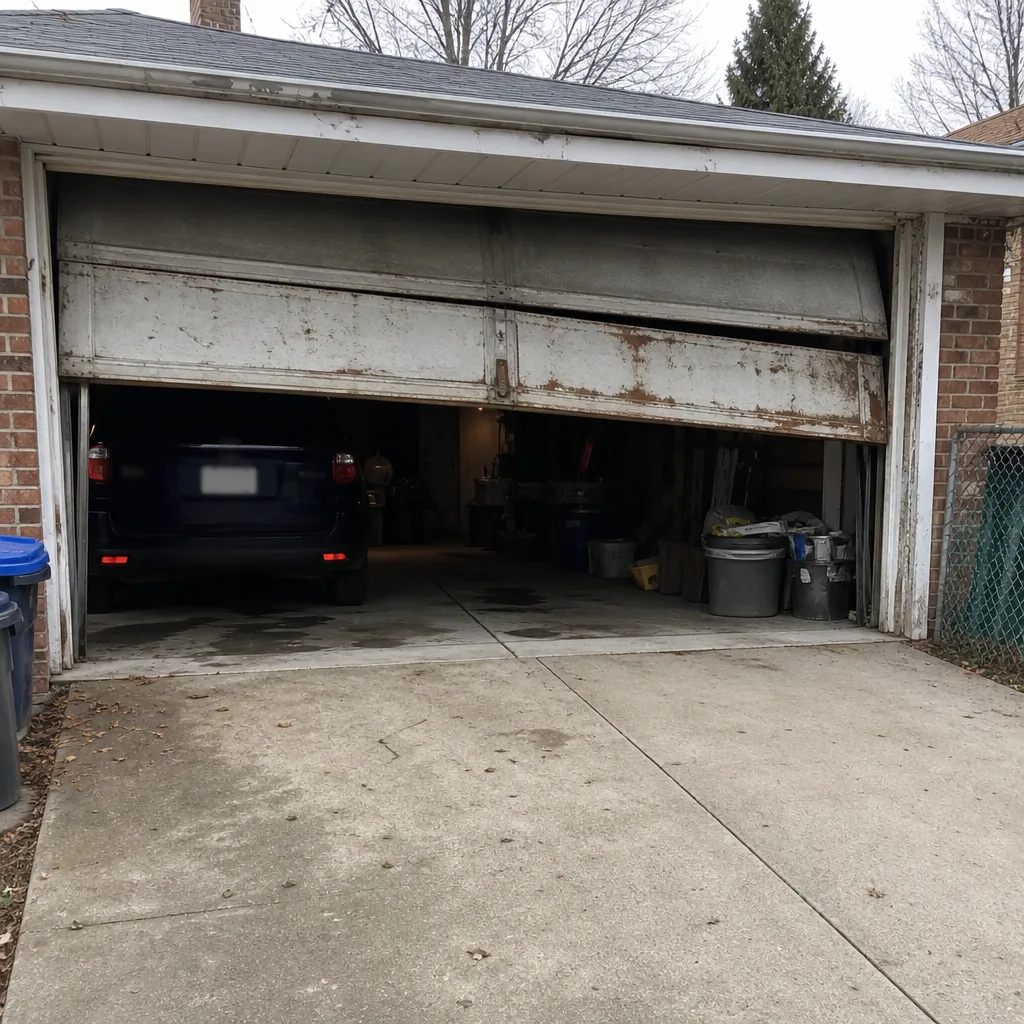 Before
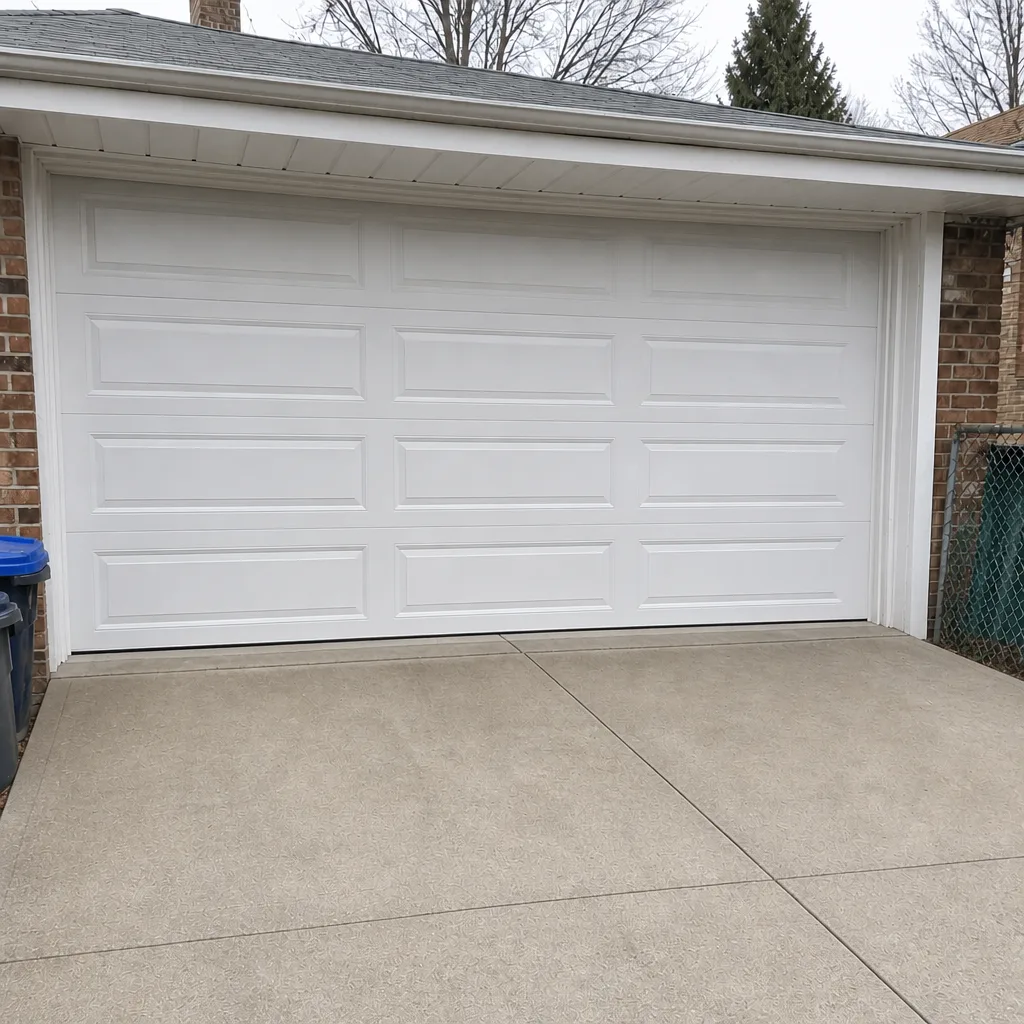 After
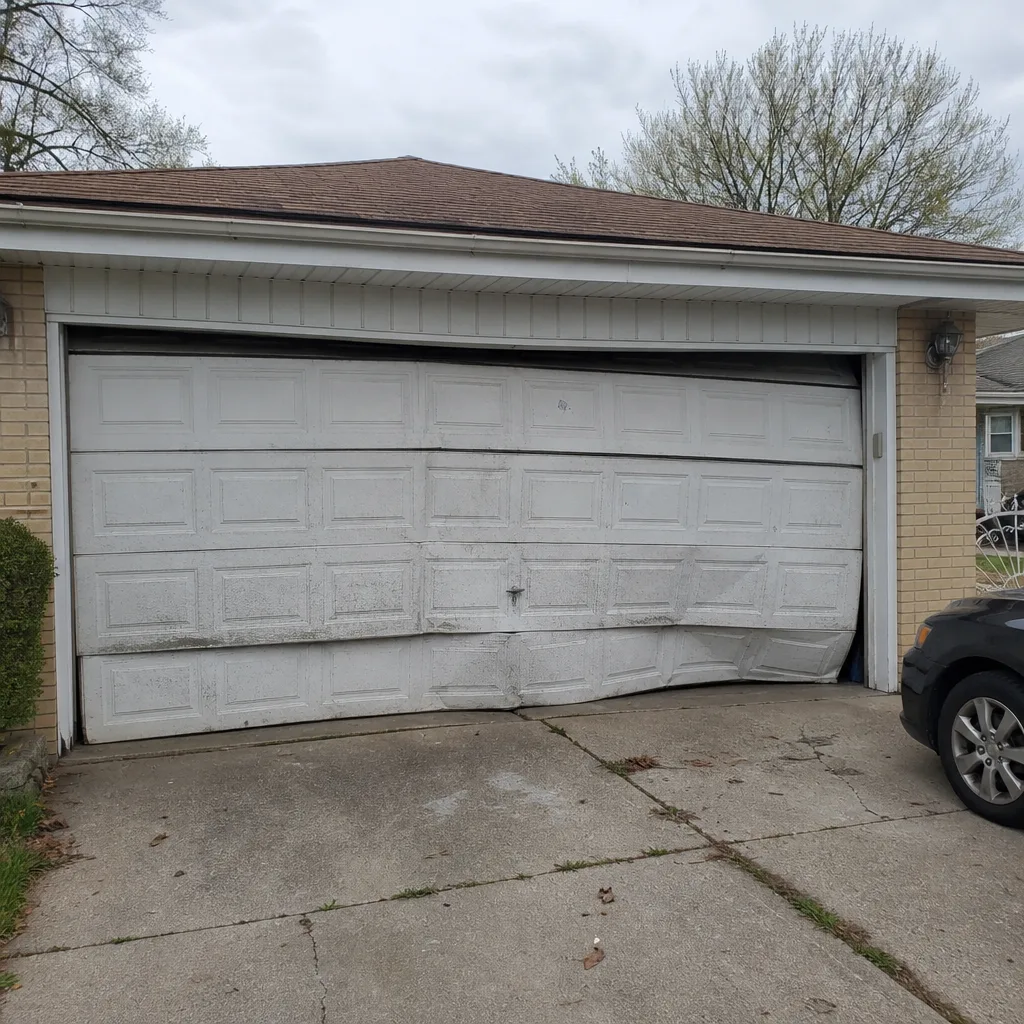 Before
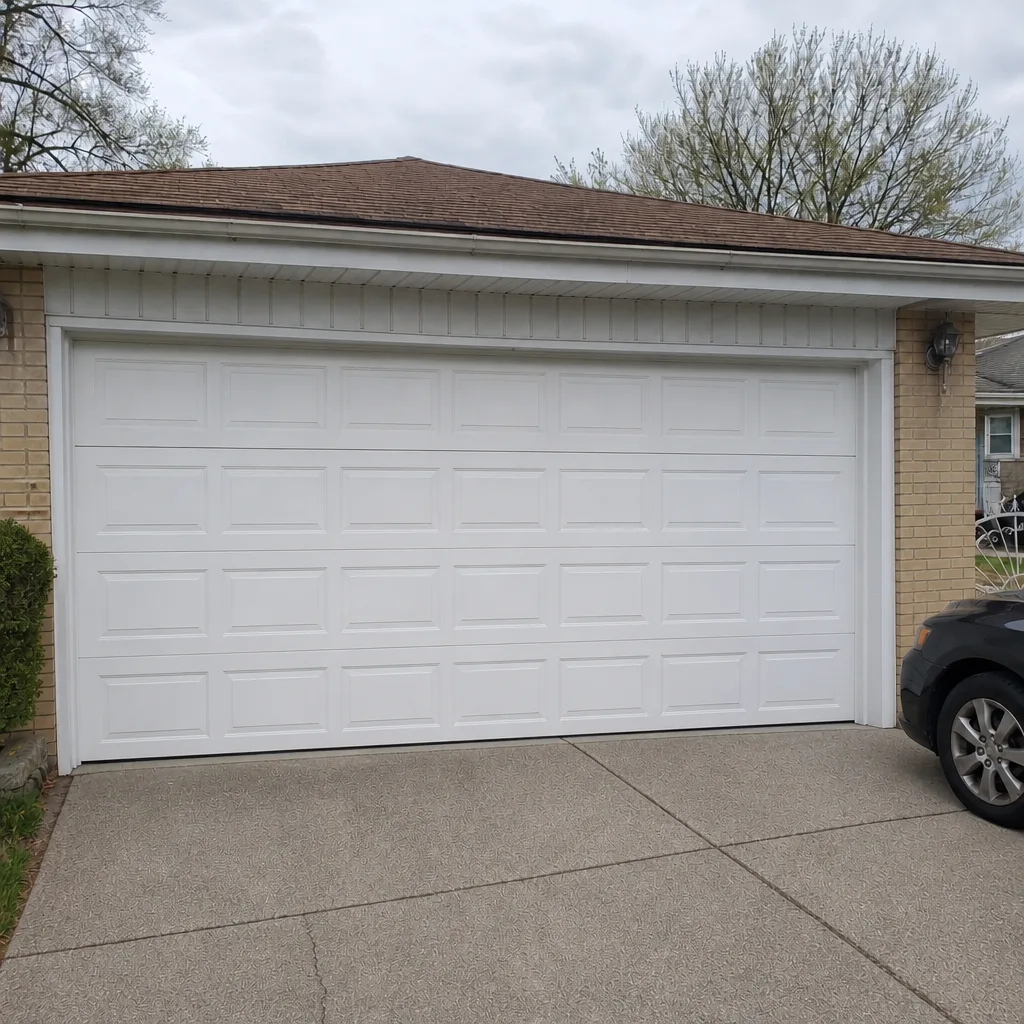 After
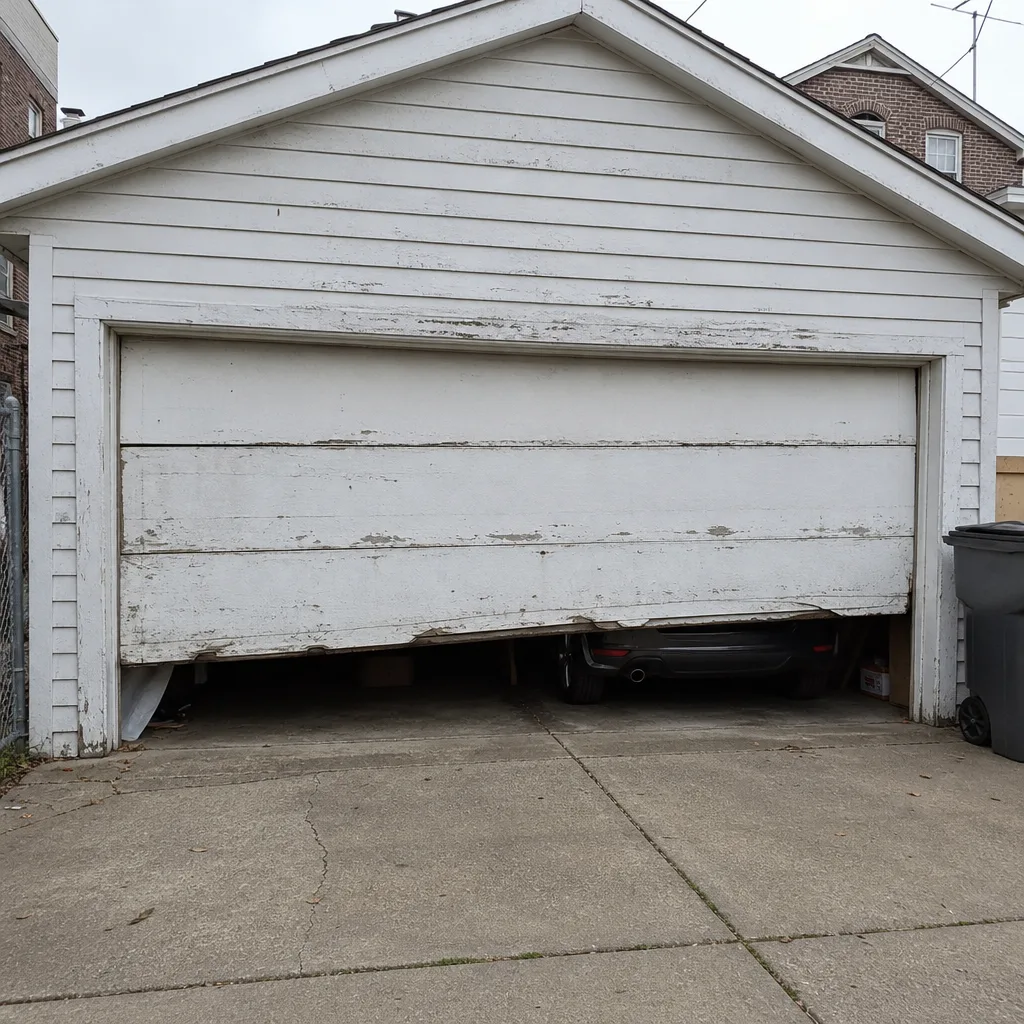 Before
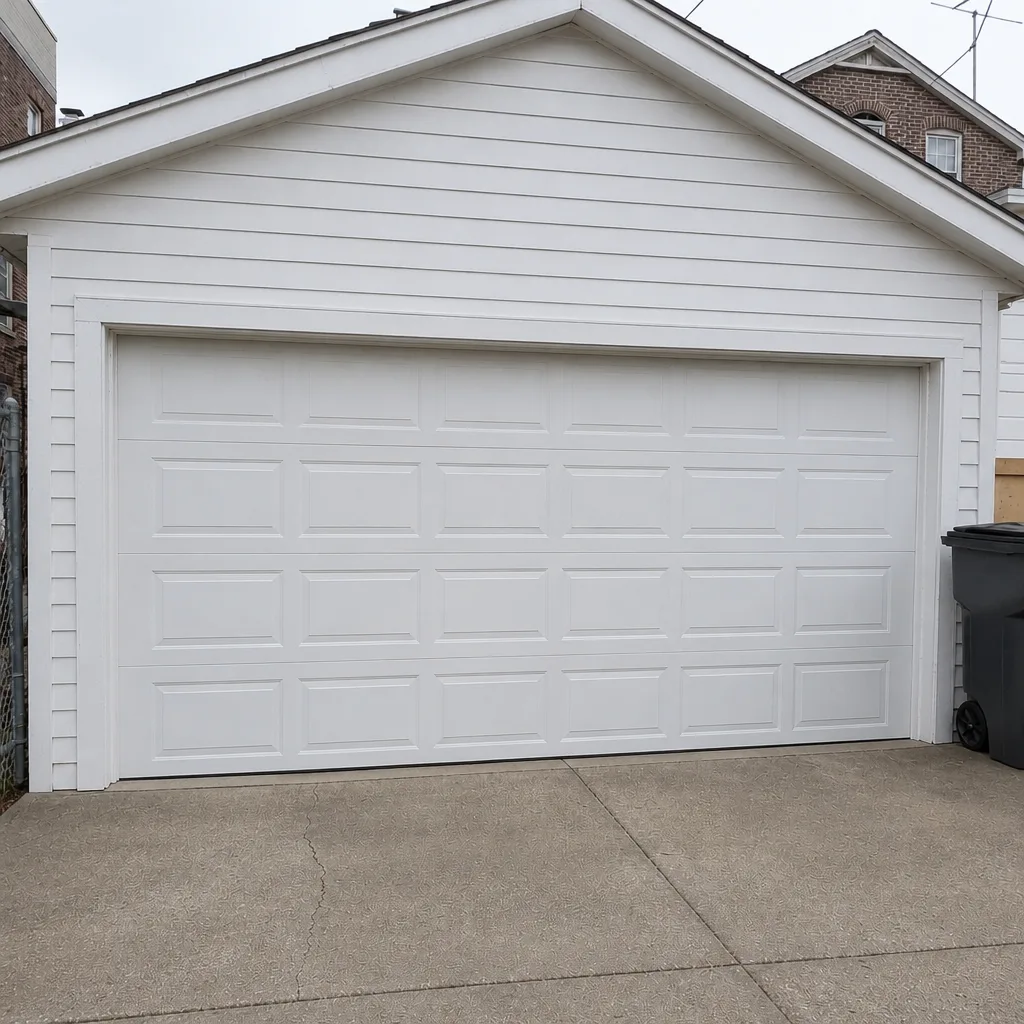 After
When to Call a Professional
Some garage door problems genuinely don’t need a specialist. A door that’s slightly noisy and closing correctly can wait for a tune-up. A remote that stopped working after a battery change is usually a re-pairing issue you can handle yourself.
The rest of the time, call. A broken torsion or extension spring, a door that’s hanging off the track, a cable that’s come loose from the drum, an opener that reverses unpredictably, a door that’s been hit by a car and won’t close flush, a safety sensor that’s been misaligned by a car bumper and won’t let the door close, or an opener that hums without moving. Any of those is a trained-professional job, and the safety risk is real.
Garage Door Repair Belmont Cragin offers free estimates in Belmont Cragin. Call (833) 468-5695 and we’ll help you figure out whether it’s a repair, a spring replacement, or a full door install.
Frequently Asked Questions
Verify the company’s legal name against the City of Chicago’s business licensing record and ask for a certificate of insurance before the visit. A legitimate contractor will give you a physical address, a written estimate with line-item pricing, and a phone number that reaches the same company after the job is done. If any of those are missing or the answers get vague, find another contractor.
Ask whether the company stocks torsion springs in multiple sizes, which parts it keeps on hand, whether the technician coming out is an employee or a third-party contractor, what the company’s physical address is, and whether the written estimate will separate parts from labor. These five questions sort a specialist from a dispatcher in about five minutes. Get answers before you book.
Illinois doesn’t have a dedicated state license class for garage door installers. The state has a general contractor framework, and the City of Chicago has its own licensing and permit process that applies to work done in Belmont Cragin. Ask the contractor which license or registration applies and get the number, then verify it through the city’s business licensing lookup. That check takes under a minute.
It shouldn’t if the phone diagnosis was accurate. A legitimate contractor gives you a written estimate before any work begins, and the written estimate is what you pay. If the technician finds something that wasn’t visible from the conversation, they should stop and explain the difference before doing anything else. If they don’t, don’t approve the additional work.
Yes. A dedicated garage door company stocks and sells parts directly, so you can get the specific spring, roller, hinge, or opener component without waiting on third-party shipping. If your door is an Amarr, Wayne Dalton, Craftsman, or Raynor model, the part has a specific number and a specialist can pull it by model reference rather than by guesswork.
A single broken spring, a bad opener, or a misaligned track is a repair. A door with multiple cracked panels, severe rust along the bottom, a bent track from an impact, or a garage opening that’s out of square is a replacement conversation. Get a diagnostic estimate before you sign anything. A contractor who pushes you to a new door before diagnosing the actual problem isn’t giving you an honest estimate.
The Bottom Line
Hiring a garage door contractor in Belmont Cragin comes down to three habits: ask specific questions before you book, insist on a written line-item estimate, and verify the company’s licensing and insurance against the record rather than taking it on faith. A specialist can answer every question about your specific brand and part without checking with anyone. A generalist or dispatch service cannot. The dealer model works, so long as you’re the one driving the questions.
If you’re ready to skip the phone screening and talk directly to a garage door specialist, call (833) 468-5695. Estimates are free, the written quote is the price, and the team focuses only on garage doors.
Written by the team at Garage Door Repair Belmont Cragin.