Last updated November 21, 2026
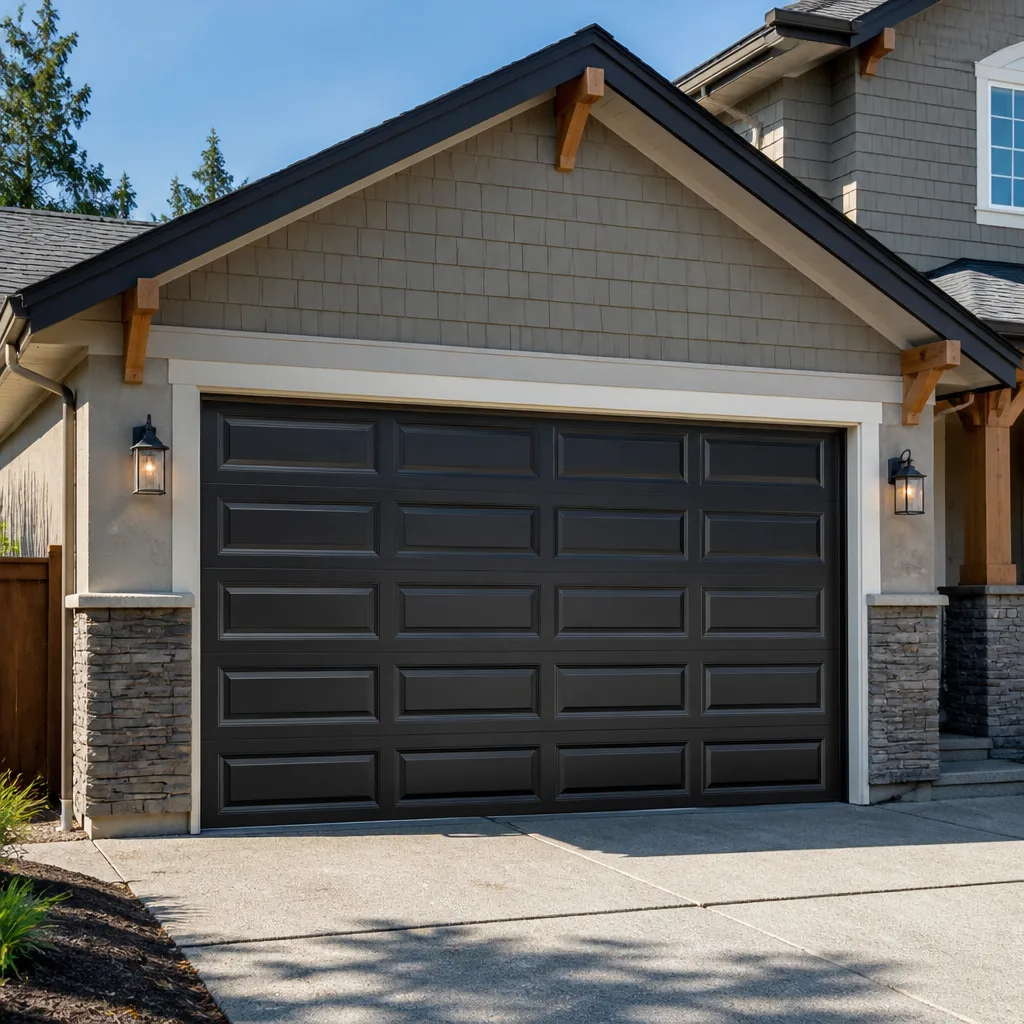 Raised-panel steel
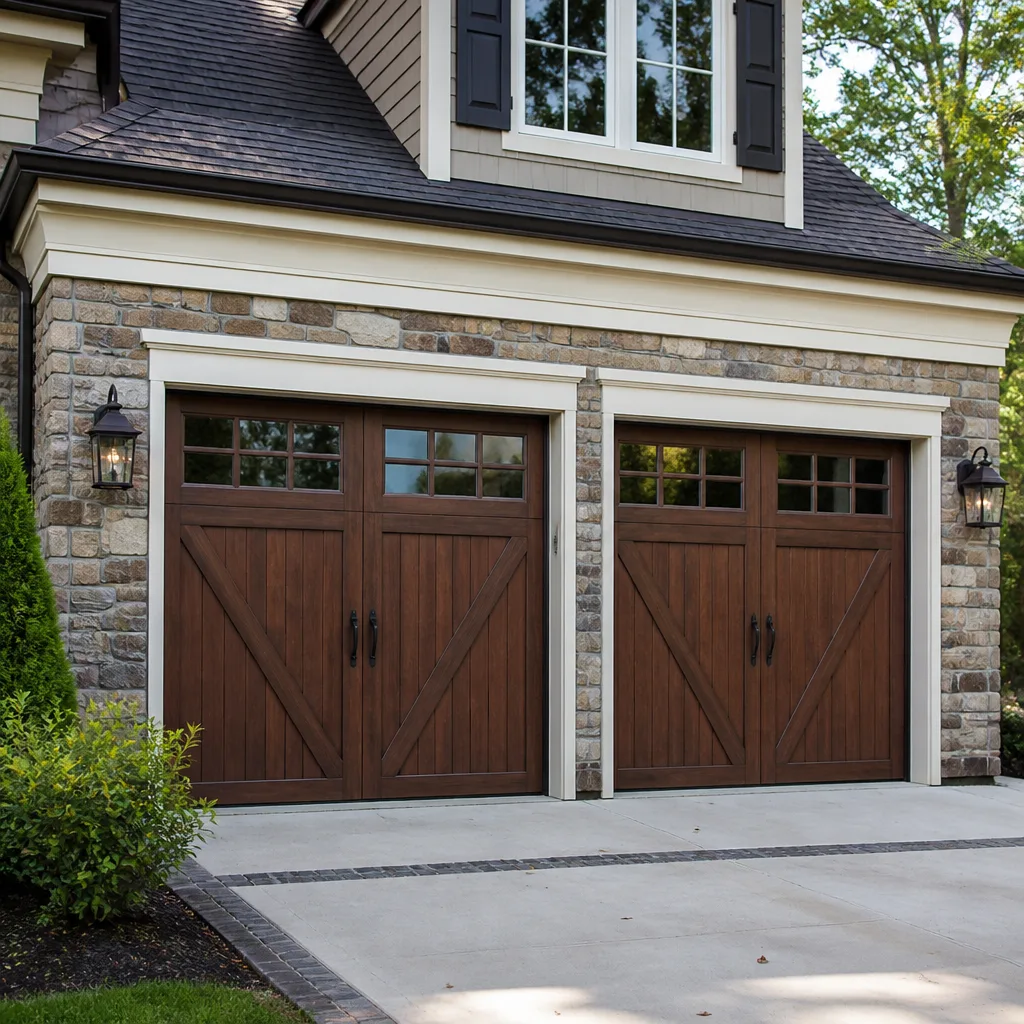 Carriage house
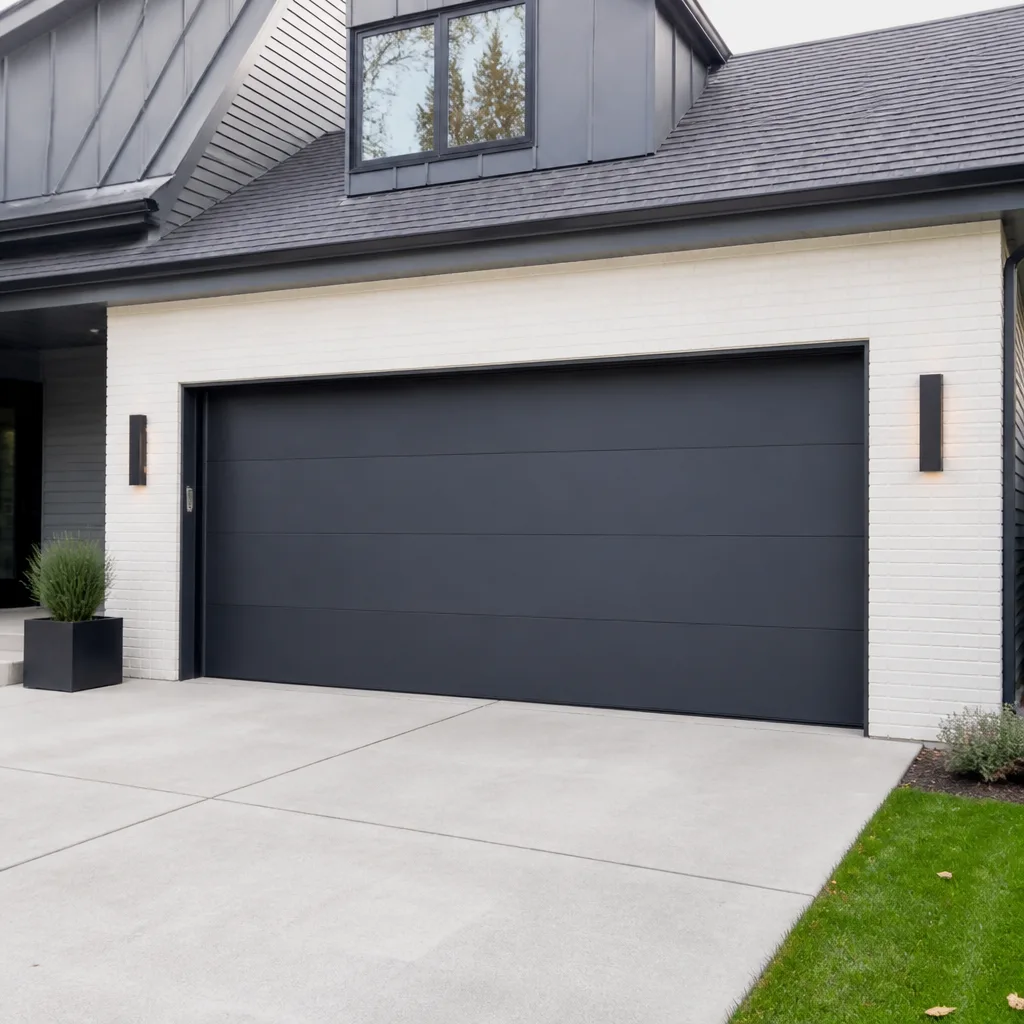 Modern flush
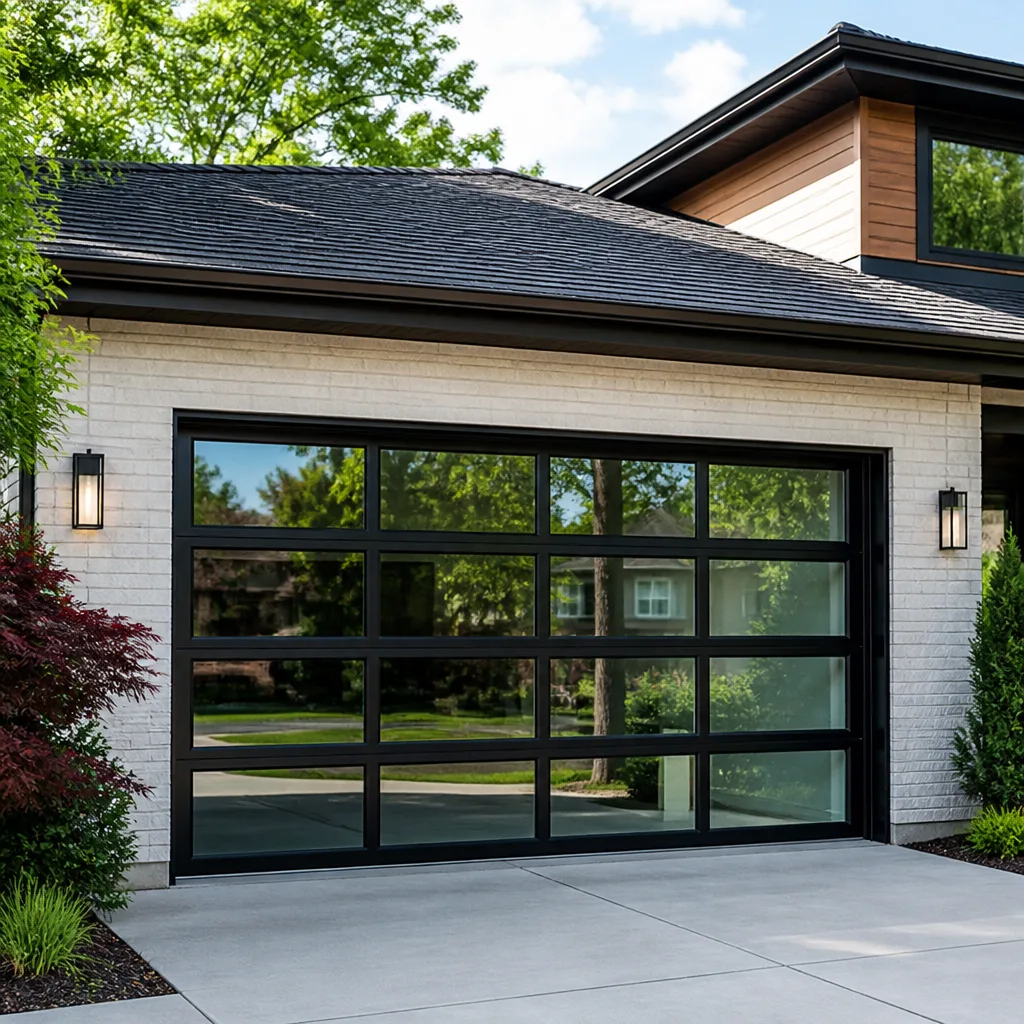 Full-view glass
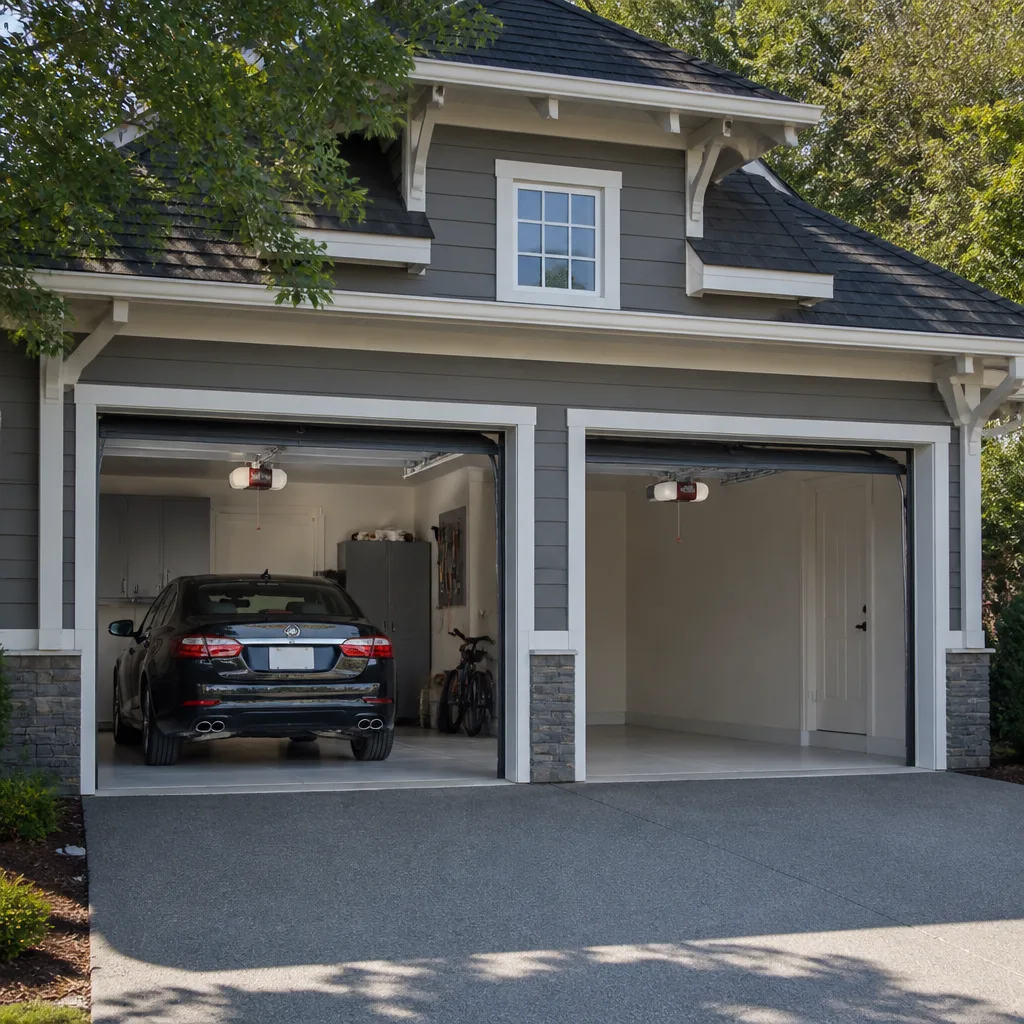 LiftMaster openers
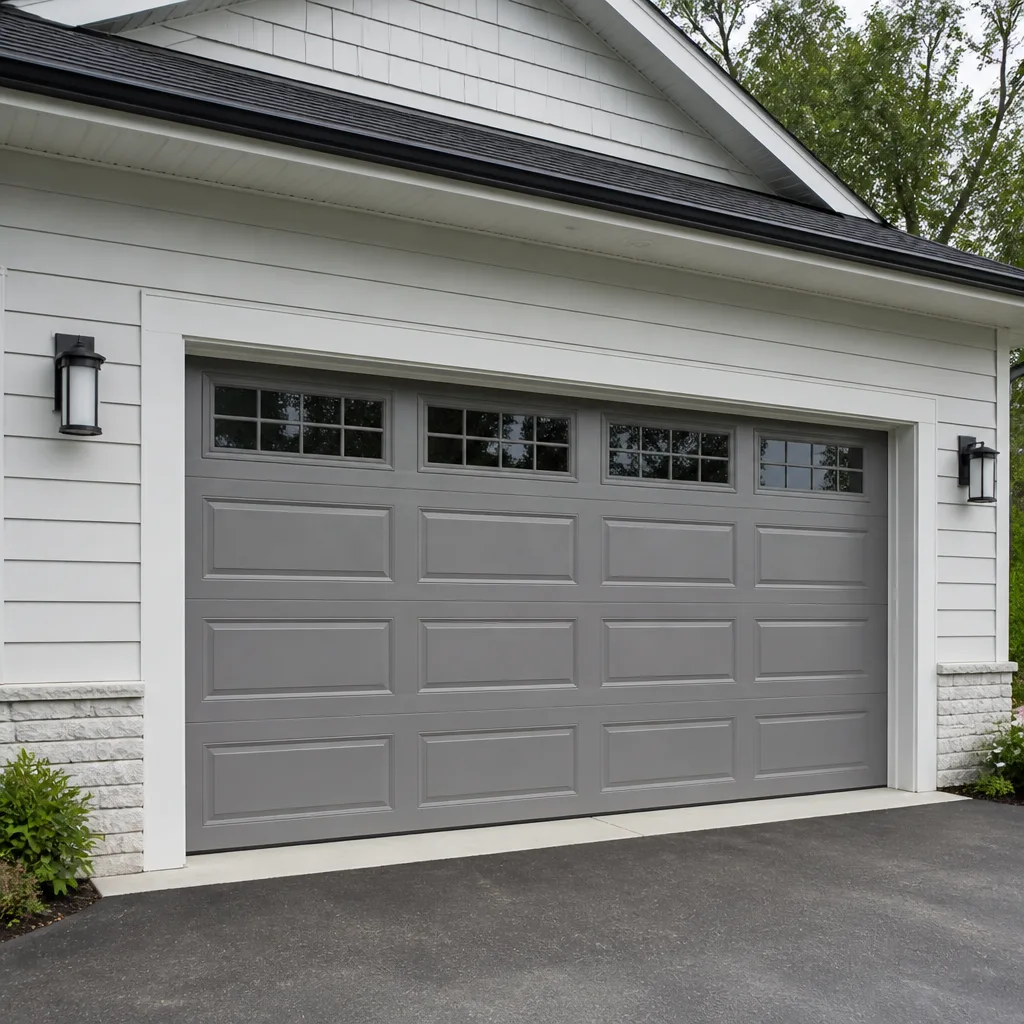 Chamberlain openers
Full 25-point door and opener safety check with every visit - springs, cables, rollers, tracks, and your LiftMaster or Chamberlain opener included
You get a price before we start. It does not change when the pro arrives.
Get your free estimateGarage Door Warning Signs: A Belmont Cragin Homeowner’s Reference Guide
Here’s the problem with most garage door warning sign lists: they tell you what to look for, but not what to do about it. A squeaky roller and a frayed cable both show up on the same checklist, yet one is a weekend project and the other is a reason to stop using the door today. Treat every sign the same and you’ll either overreact to a little lubrication noise or keep cycling a door that’s one open-close away from a real problem. This guide fixes that by sorting every common symptom into three urgency tiers – stop using the door now, schedule service within 48 hours, or monitor it and plan routine maintenance. You’ll learn how a Belmont Cragin detached garage ages differently from a newer attached one, which signs you can safely check from the ground, and when an intermittent opener failure is actually telling you the door, not the motor, is the issue. Keep this in Belmont Cragin as a reference you can pull up the moment something sounds off.
Quick Answer
Stop using your garage door immediately if you see a broken spring, a frayed or hanging cable, a door that drops fast on one side, or one that comes down unevenly. Schedule service within 48 hours for grinding noises, slow or jerky travel, an opener that reverses before closing, or visible roller damage. Signs like light squeaking, minor vibration, or a slightly noisy door that still moves smoothly are usually lubrication or routine service – monitor them but don’t panic. The single best rule: anything that puts the door’s weight or tension out of balance deserves a professional look before the next cycle.
Styles & brands we work with
- Raised-panel steel
- Carriage house
- Modern flush
- Full-view glass
- LiftMaster openers
- Chamberlain openers
Table of Contents
- The Three-Tier Urgency System: Red, Yellow, Green
- Spring and Cable Warning Signs You Can Check Safely
- Noisy Door vs. Failing Rollers and Bearings
- Why an Intermittent Opener Problem Is Usually Not the Opener
- Warning Signs Specific to Older Belmont Cragin Detached Garages
- How to Inspect Your Door From Ground Level in Five Minutes
- Wood Rot, Track Shift, and Corroded Torsion Components
- Common Mistakes, When to Call, and FAQs
The Three-Tier Urgency System: Red, Yellow, Green
The fastest way to make a good decision about your garage door is to sort the symptom before you sort your schedule. Here’s how we rank warning signs in Belmont Cragin and everywhere else we work.
Red – stop using the door right now. These are conditions where the door could come down unexpectedly or a tensioned part could release. A torsion spring that has visibly snapped into two pieces (you’ll see a gap in the coil) is red. So is any cable that’s frayed, kinked, or hanging loose off its drum. A door that drops quickly and hard when you disengage the opener is red, as is a door that closes crooked so one corner touches the floor before the other. Do not cycle a red door to test it a second time. Disengage the opener, leave the door where it is, and call for service. Springs and cables hold enormous stored force, and this is not a component to inspect by hand or try to adjust yourself.
Yellow – schedule service within 48 hours. The door still operates, but something is trending wrong and will get worse. Grinding, scraping metal sounds, a door that moves in stops and starts, an opener that reverses partway down, bent or cracked rollers, and a door that’s noticeably slower than it used to be all land here. Think of yellow as your 48-hour window: fine to live with briefly, not fine to ignore. Our technicians have up to 10 years of experience, and the yellow items are exactly the ones where a quick repair saves a bigger one.
Green – monitor and fold into routine service. Light squeaking, mild vibration, a slightly louder door that still travels smoothly. Green signs usually mean lubrication or a small adjustment, and they don’t require an emergency call. Keep an eye on them; if a green sign grows into a yellow one, move up a tier.
The key insight is that a slow door is easy to write off as “just aging.” In our experience, a noticeable slowdown in travel time is often one of the first measurable signs a spring is losing tension before it fails. That’s why a “minor” green symptom can actually be the earliest yellow warning.
Spring and Cable Warning Signs You Can Check Safely
You can learn a great deal about a garage door’s health from the ground without touching any moving part. Springs and cables are where most failures begin, and they’re also the components that most deserve a trained eye. The rule for this section: look, don’t touch. Never put your hands near a spring, drum, or cable while the door is under tension.
Both spring types are on your door for a reason – one holds tension to counterbalance the door’s weight. Here’s what to watch for safely:
- A visible gap in a torsion spring. A torsion spring runs along the shaft above the door. If the coil has a clean break, you’ll see an obvious gap and the door suddenly feels very heavy. That’s red – stop using it.
- A stretched extension spring. Older doors with springs running along the horizontal tracks can show springs that look stretched out compared to one another, or a hook-and-loop assembly that’s come apart. Uneven or sagging extension springs are a stop-use sign.
- Frayed or kinked cables. The cables run from the bottom corners up to the drums. Any fraying, bird-caging, or a cable that’s off its drum is red. A cable under load that snaps is genuinely dangerous.
- Rust and corrosion on spring hardware. Surface rust on a torsion spring’s coils and attaching hardware is common in older unheated garages, and it’s a signal to have that assembly looked at rather than a reason to panic.
- A door that won’t stay up or feels dead-weight when you lift it. If the door won’t hold its position when you test it by hand from a safe, disconnected position, the spring system is not balancing the door – schedule service.
In our experience, spring and cable problems are the most common reason a door stops working safely, and they’re also the jobs many general handymen won’t touch. That’s a big reason we treat spring repair as a core service rather than a referral. If something in this list matches what you’re seeing, treat it as a professional call, not a weekend fix. For a stop-use situation, garage door repair starts with a safety inspection before anything is touched.
Noisy Door vs. Failing Rollers and Bearings
Not all noise is created equal. The trick is learning to separate a door that just needs lubrication from one whose bearings or rollers are failing and will get worse fast. Here’s the distinction.
Lubrication noise is usually dry, squeaky, and even. It tends to come from the hinges, the rollers, and the track, and it typically gets better after a proper garage-door lubricant is applied to the moving joints. If a door squeaks a little but still travels smoothly and quietly balances, you’re likely looking at a green sign – clean and lubricate it and see if the sound settles.
Bearing and roller failure sounds different. Listen for grinding, scraping metal, or a rumble that rises and falls with the door’s travel. A roller with a flat spot, a cracked nylon wheel, or a bearing that’s worn will produce consistent grinding rather than an occasional squeak, and it won’t quiet down with lubrication. That’s a yellow sign – the roller is failing and the wear will spread to the track and the door’s balance. Cracked, chipped, or bent rollers are visibly yellow to red depending on how far the door has drifted out of alignment.
A simple way to tell them apart:
- Note when the sound happens – only on the way up, only on the way down, or both directions.
- Note whether it’s an even squeak (likely lubrication) or a grinding rumble (likely bearings or rollers).
- Look at the rollers from the ground with a flashlight – cracked wheels or wobbling rollers are a clear signal.
- If a lubrication pass doesn’t change the sound at all, treat it as mechanical and schedule service.
Grinding that you dismiss as “it’s always sounded like that” is exactly the kind of yellow symptom that quietly turns into a red one. When a noisy door needs a real diagnosis, garage door opener repair service often overlaps with the door itself, because the two systems work together.
Why an Intermittent Opener Problem Is Usually Not the Opener
When a garage door opener works some of the time and not others, the instinct is to blame the motor. Most of the time, the opener is reporting a problem, not causing one. The motor is the strongest, simplest part of the system – it’s the door’s balance and the mechanical parts that usually fluctuate.
An intermittent failure – sometimes it opens fine, sometimes it reverses or stalls – most often traces back to one of these mechanical issues:
- Springs losing tension. As a spring weakens, the door gets heavier than the opener expects. The opener’s safety system senses the resistance and reverses or stops. This shows up intermittently at first, then more often.
- Misaligned or binding track. A track that’s been knocked slightly out of line, or one that’s shifted with a settling garage slab, makes the door bind at certain points in its travel. The opener stalls or reverses exactly there.
- Rollers dragging. A failing roller adds friction that’s inconsistent – the door moves fine until the bad roller hits a certain spot.
- Safety sensors out of alignment. The photo-eye sensors near the floor are a genuinely common cause of “it closes then opens back up.” Check that both lenses are clean and facing each other before assuming the motor is failing.
- A door that’s out of balance. If the door doesn’t hold position when disconnected, the opener is fighting gravity and will behave unpredictably.
So the diagnostic order matters: check the door’s balance and travel first, the sensors second, and the opener last. That’s the same order our technicians work in whether the opener is a LiftMaster, a Chamberlain, or a Genie – we work on the brand you already have, so the diagnosis fits the equipment rather than the other way around. If the opener genuinely is failing, the fix is straightforward, but we’d rather find the spring or track issue first than sell you a new motor you don’t need. The right fix, not the most expensive one.
Warning Signs Specific to Older Belmont Cragin Detached Garages
Belmont Cragin has a lot of older detached garages, many of them wood-framed, many of them behind homes that have seen several owners. Those garages age differently from a newer attached one, and they produce a few warning signs you won’t see on a modern build.
Wood rot at the base of the door and frame. Chicago’s freeze-thaw cycles push moisture into wood at the bottom of the door, and older Belmont Cragin garages often show rot at the base panels, the bottom seal, and where the door frame meets the slab. Rotting wood lets the door shift, and a shifted door binds the track. Look at the bottom corners of the door and the frame for soft, spongy, or crumbling wood. If the slab or the frame is settling, the door can start scraping on one side.
Track alignment shifted by frost heave. Our winters heave and settle the ground under a detached garage slab, and that movement can throw a track slightly out of plumb over time. A door that closes fine one month and starts catching the next is a frost-heave symptom. If you see daylight under one corner, or the door scrapes a track on one side, that’s a yellow sign to schedule service.
Corroded torsion spring components. An older unheated or uninsulated detached garage holds moisture against metal, and the torsion spring and its hardware can corrode. Rust on the coils and attaching parts is a reason to have the assembly inspected by someone who knows the equipment, because a corroded spring is more likely to fail. This is exactly the kind of Belmont Cragin-specific condition we look for on an older detached garage call.
None of these are reasons to panic. They are reasons to have a trained specialist look at your door rather than assume it’s fine because it still cycles.
How to Inspect Your Door From Ground Level in Five Minutes
You can catch most warning signs without touching a moving part. Here’s a safe ground-level inspection you can do once a month in Belmont Cragin. The idea is observation, not repair – anything you’d need to adjust or repair by hand is a call for a professional.
- Look before you move anything. From a few feet back, look at the springs above the door. A visible gap in a torsion spring or a stretched-out extension spring is a red sign – stop here and call.
- Check the cables at the corners. Look at the cables running up from the bottom corners. Fraying, kinks, or a cable off its drum is red. Do not touch a tensioned cable.
- Watch the door travel. With the door closed, stand clear and open and close it with the opener. Note whether it moves smoothly and evenly, or in jerks and stops.
- Listen for the sound type. Even squeaking is likely lubrication. Grinding or scraping metal is a yellow sign of roller or bearing wear.
- Note the speed and balance. A door that’s noticeably slower, or that drifts down on one side, is yellow. A door that drops hard is red.
- Check the sensors. Make sure the photo-eye lenses near the floor are clean and facing each other. An opener that reverses right away is often a sensor issue.
- Look for scraping and alignment. A door that scrapes the track on one side, or touches the floor unevenly, is a track-alignment sign that gets worse with frost heave.
Write down what you see and when it happens. That record is genuinely useful when you call for service, because it tells a technician whether they’re dealing with a spring, a track, or an opener. When paired with a visual sign, a proper look by a garage-door specialist becomes a quick diagnosis.
Wood Rot, Track Shift, and Corroded Torsion Components
Three problems deserve their own section because they’re easy to miss and expensive to ignore in an older home. Each one compounds the others, so catching one early often protects the rest.
Wood rot at the base of the door. Older Belmont Cragin garage doors are often wood or wood-composite, and the bottom panel takes the brunt of moisture and splash. Once the bottom of the door softens, the weight distribution changes, the door can sag, and the bottom seal stops sealing – which lets in more moisture and accelerates the rot. Look for peeling, soft wood, or a bottom rubber seal that’s crumbling. If the rot is contained to trim, a repair may be enough; if the door panel itself has softened, a replacement door is often the more sensible fix, and it’s why garage door installation is worth discussing early rather than after a panel gives way.
Track alignment shift from settling and frost. The vertical and horizontal tracks have to be plumb and parallel. When a slab settles or freezing ground shifts a post, the track moves a fraction and the door starts binding on one side. A binding door strains the opener, wears the rollers, and eventually stalls. This is why a door that suddenly scrapes after a cold snap is a yellow sign, not a coincidence.
Corroded torsion components. Rust on a torsion spring and its attaching hardware is a warning that the metal has been working harder than it should. Corrosion is not a reason to spray something on it and move on – it’s a reason to have a trained technician inspect the spring system. Springs under load are the single most dangerous part of any garage door, and this is where the stop-and-call rule applies most firmly. If you see corrosion plus any of the red signs in this guide, stop using the door.
Older doors aren’t a lost cause. They’re a set of systems that reward early attention. A Clopay or Wayne Dalton door that’s been on an older Belmont Cragin garage for years is usually worth a real repair, not a hasty replacement, and an honest look will tell you which you’re facing.
Common Mistakes to Avoid
- Cycling a red door “just to be sure.” If a spring is visibly broken or a cable is frayed, do not operate the door again. Each cycle on a compromised door risks a hard drop or a part releasing under tension.
- Treating every sound as the same. A squeak that needs lubricant and a grinding roller that’s failing sound similar but call for different responses. Lump them together and you’ll either ignore a real problem or pay for a repair you didn’t need.
- Blaming the opener first. When a door fails intermittently, the opener is usually the messenger, not the culprit. Check door balance, track alignment, and sensors before replacing a motor – a new LiftMaster or Chamberlain unit won’t fix a binding track.
- Ignoring the base of an older Belmont Cragin door. Wood rot at the bottom panel changes how the door hangs and speeds up wear elsewhere. Catching soft wood early is much cheaper than catching it after the door has sagged.
- Assuming a “slow but working” door is fine. A door that’s noticeably slower than before is often the earliest sign of a spring losing tension – a yellow sign worth scheduling service for within 48 hours.
- Misjudging winter scraping as “seasonal.” If your door starts scraping after a cold snap, that’s frost heave shifting the track, and it will wear the door until it’s corrected. Don’t wait for spring.
- Trying to adjust springs or cables yourself. This is the one mistake that can cause serious injury. Springs and cables hold stored force that can release without warning – leave them to a trained professional, always.
See the difference
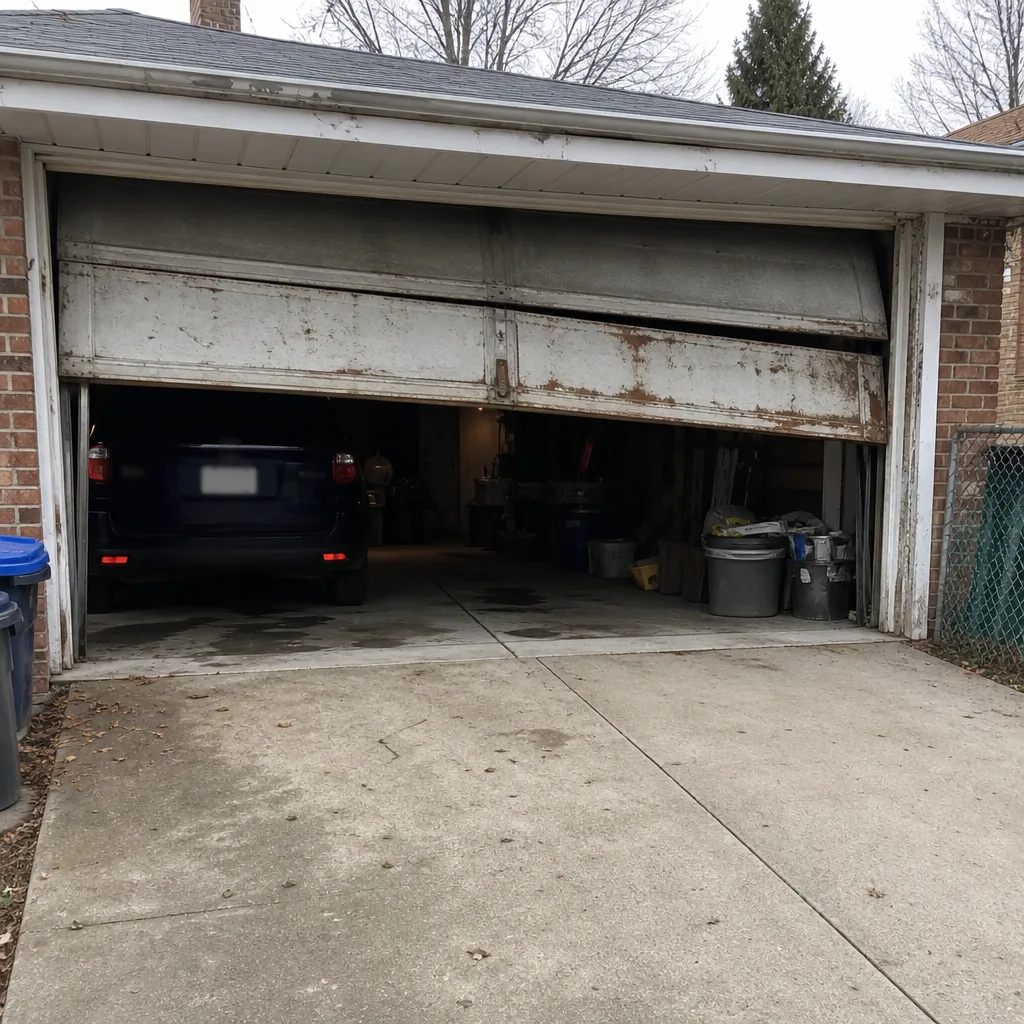 Before
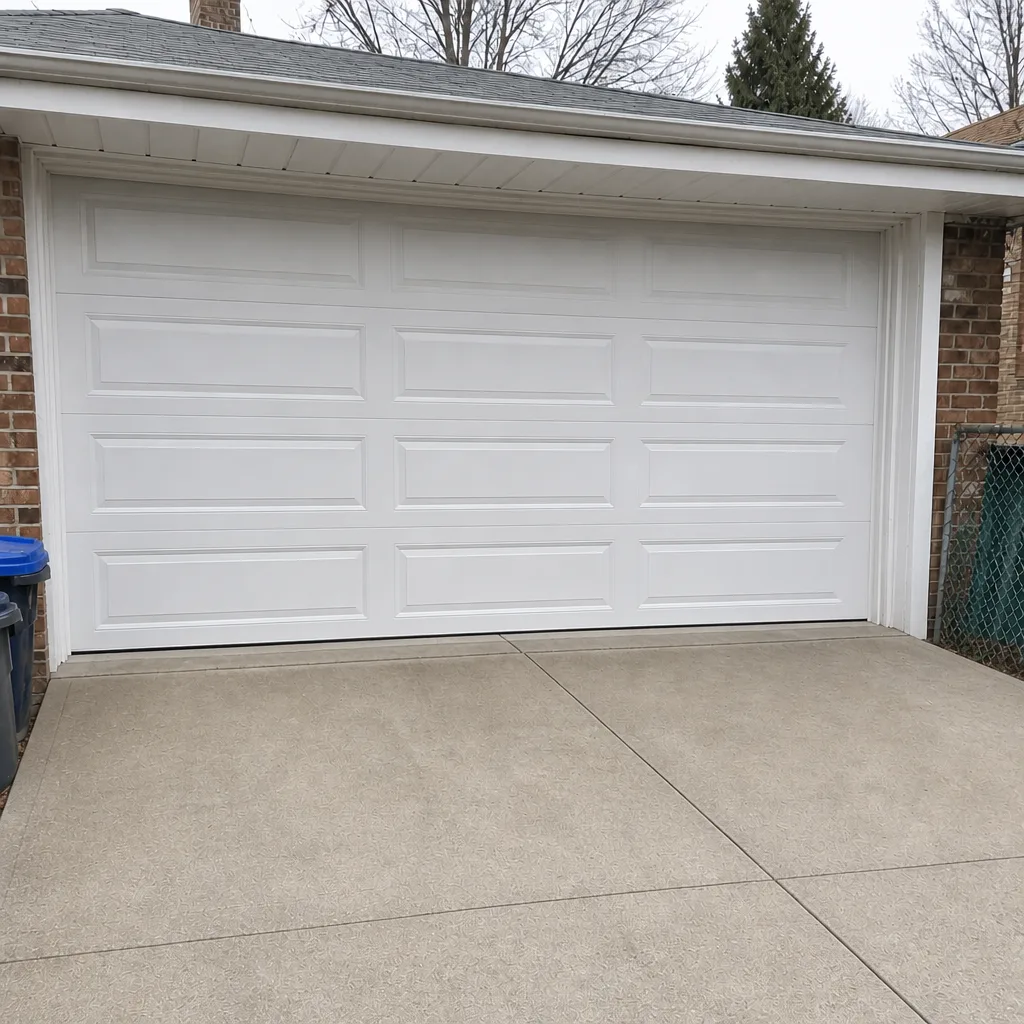 After
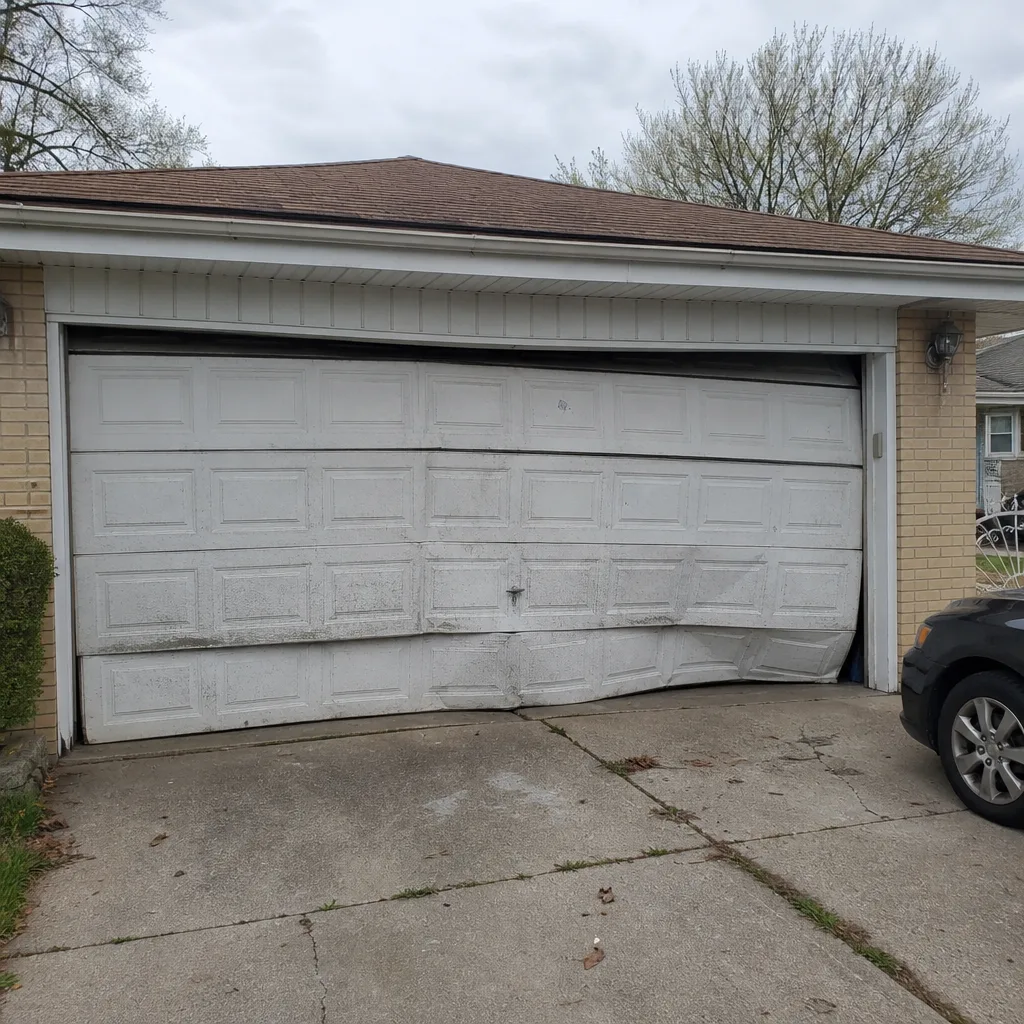 Before
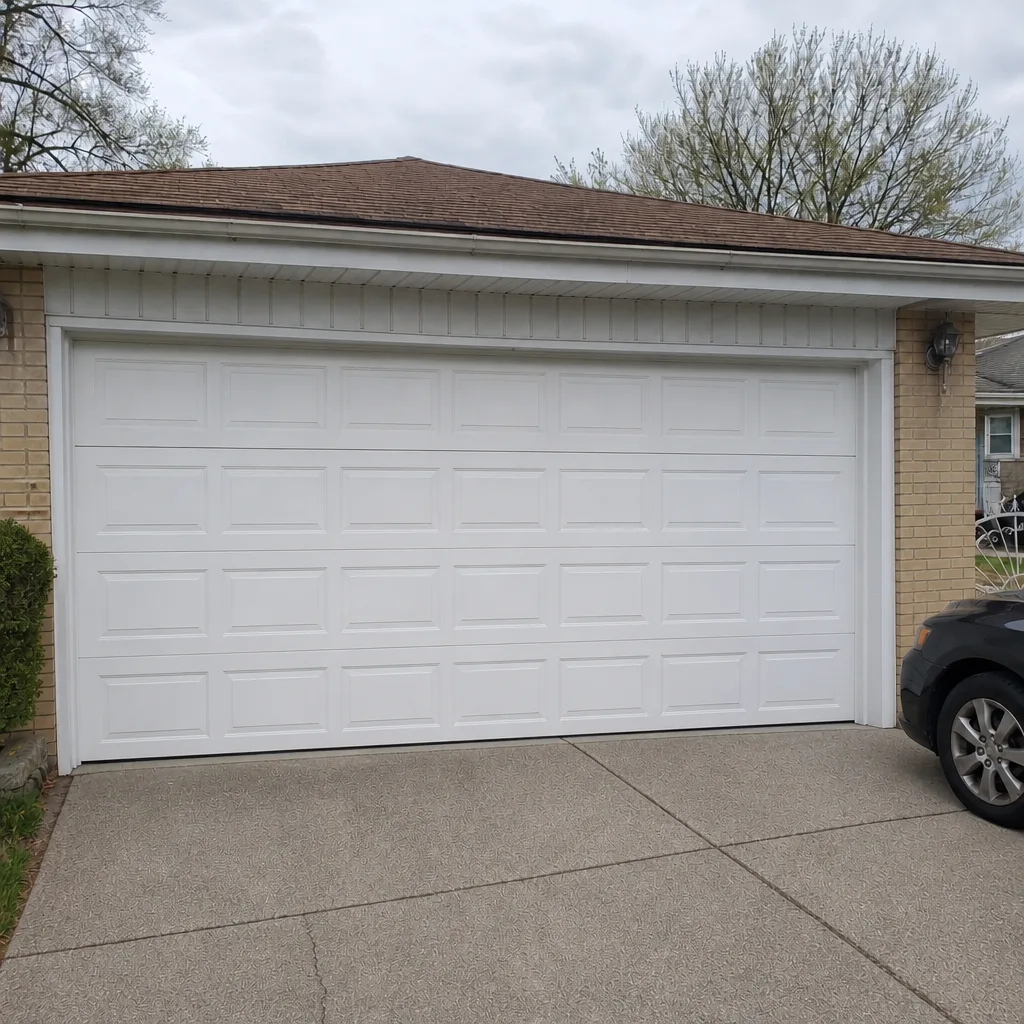 After
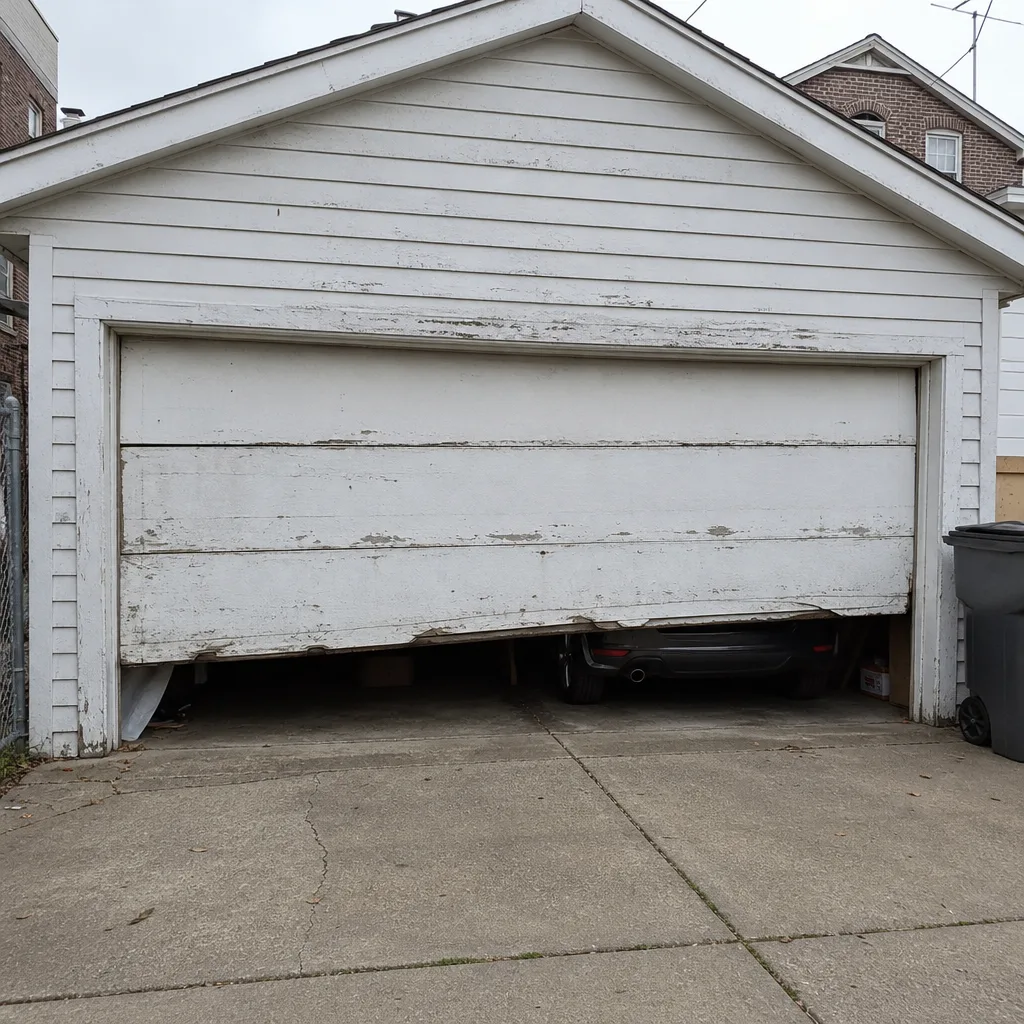 Before
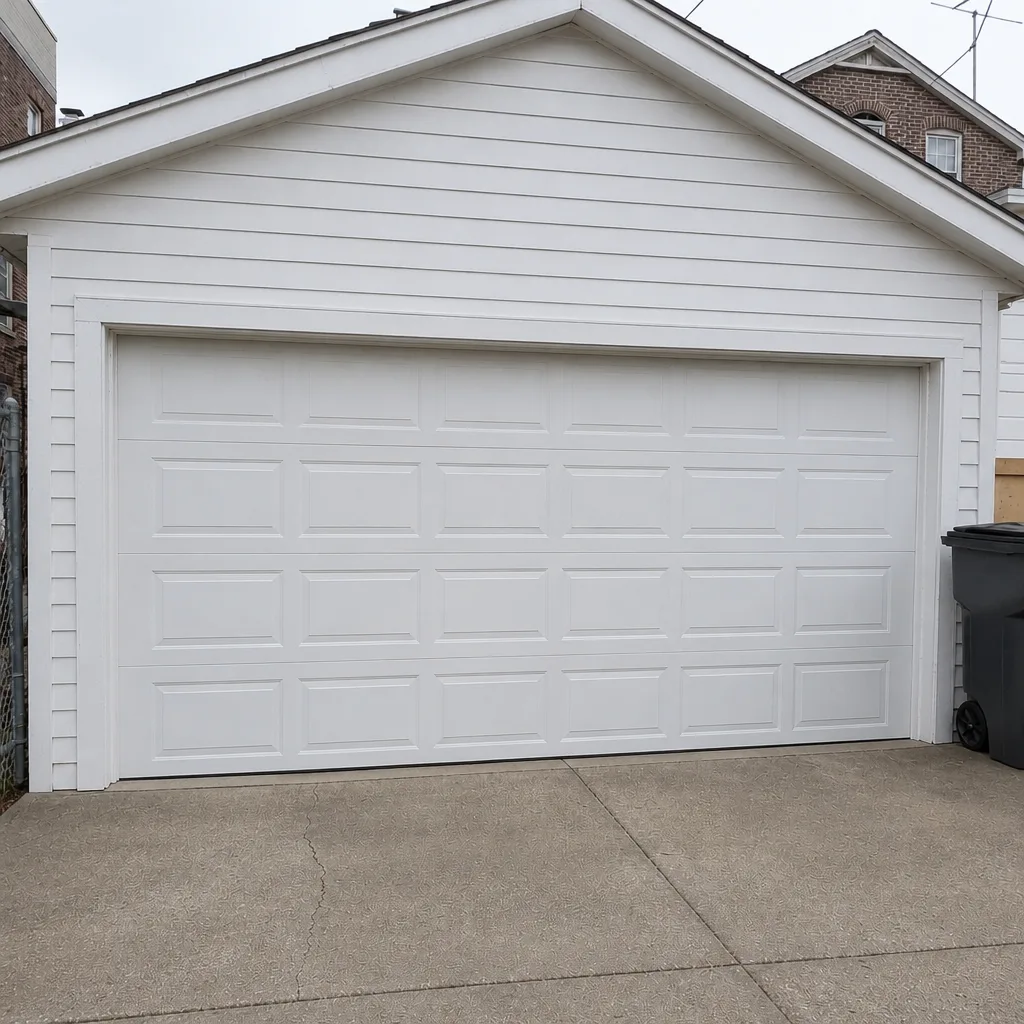 After
When to Call a Professional
Call for service whenever you see a broken spring, a frayed cable, a door that drops hard, or one that closes crooked – those are red signs and should be handled before the next cycle. For yellow signs (grinding, slow travel, an opener that reverses, visible roller damage, a door scraping after a cold snap), schedule within 48 hours. If you’re unsure which tier you’re in, that’s a good reason to call too, because an honest diagnosis over the phone or in person saves you both overreacting and underreacting. Our technicians have up to 10 years of experience, and our work is focused solely on garage doors and openers – springs, panels, tracks, rollers, and the openers that move them. Garage Door Repair Belmont Cragin offers free estimates in Belmont Cragin – call (833) 468-5695. We can work with your insurer where relevant, and we always quote and price the work before anything starts.
Frequently Asked Questions
A visibly broken torsion spring, a frayed or hanging cable, a door that drops hard or closes crooked, and a door that won’t stay up on its own are the serious ones. Stop using the door immediately if you see any of these – springs and cables hold enormous stored force, and a failed part under tension is a genuine safety event. Call us at (833) 468-5695 for a same-day safety inspection.
Noise that’s an even squeak and quiets down after a proper garage-door lubricant is usually just lubrication. Grinding, scraping metal, or a rumble that won’t quiet down points to failing rollers or bearings, and that’s a sign to schedule service within 48 hours. When in doubt, have a specialist look – the difference is mechanical and worth confirming. Call (833) 468-5695 for a free estimate.
Intermittent opener failure is usually not the opener itself – it’s more often a spring losing tension, a track out of alignment, a dragging roller, or misaligned safety sensors. The opener is reacting to resistance from the door. Check the sensors first, then have the door’s balance and travel inspected before you replace the motor. Call (833) 468-5695 and we’ll diagnose it properly.
Wood rot at the base of the door and frame, track alignment shifted by frost heave, and corroded torsion spring components are the big three. Older detached garages sit through freeze-thaw cycles and moisture, so the bottom of the door and the spring hardware age faster. If you notice soft wood, a scraping track, or rusty springs, schedule an inspection rather than waiting. Call (833) 468-5695 for an estimate.
You can safely check from ground level by looking – at springs, cables, rollers, and how the door travels – without touching any moving part. Do not adjust springs or cables or put your hands near a component under tension. Any red sign means stop and call, and any yellow sign means schedule service within 48 hours. Call (833) 468-5695 if you’re not sure.
Cost depends on what’s failing – a spring, a cable, rollers, track alignment, or the opener each price differently, so the honest answer is that a diagnosis comes first. We quote and agree the price before any work starts, so you know the number before we begin. For an exact free estimate in Belmont Cragin, call (833) 468-5695.
The Bottom Line
The whole point of sorting warning signs by urgency is to make a calm decision the moment something sounds off. Red signs – a broken spring, a frayed cable, a hard drop, a crooked close – mean stop using the door now. Yellow signs – grinding, slow travel, a reversing opener, visible roller damage, frost-heave scraping – mean schedule service within 48 hours. Green signs – light squeaking and a slightly noisy but smooth door – mean lubricate and keep an eye on it. In an older Belmont Cragin garage, add wood rot, track shift, and spring corrosion to the list. When you’re ready, we’ll take a look. For an honest diagnosis of your Garage Door Repair Belmont Cragin door, call (833) 468-5695 for a free estimate. Springs, openers, panels, full replacements – we handle all of it, and we work on the brand you already have.
Written by the team at Garage Door Repair Belmont Cragin.