Last updated November 21, 2026
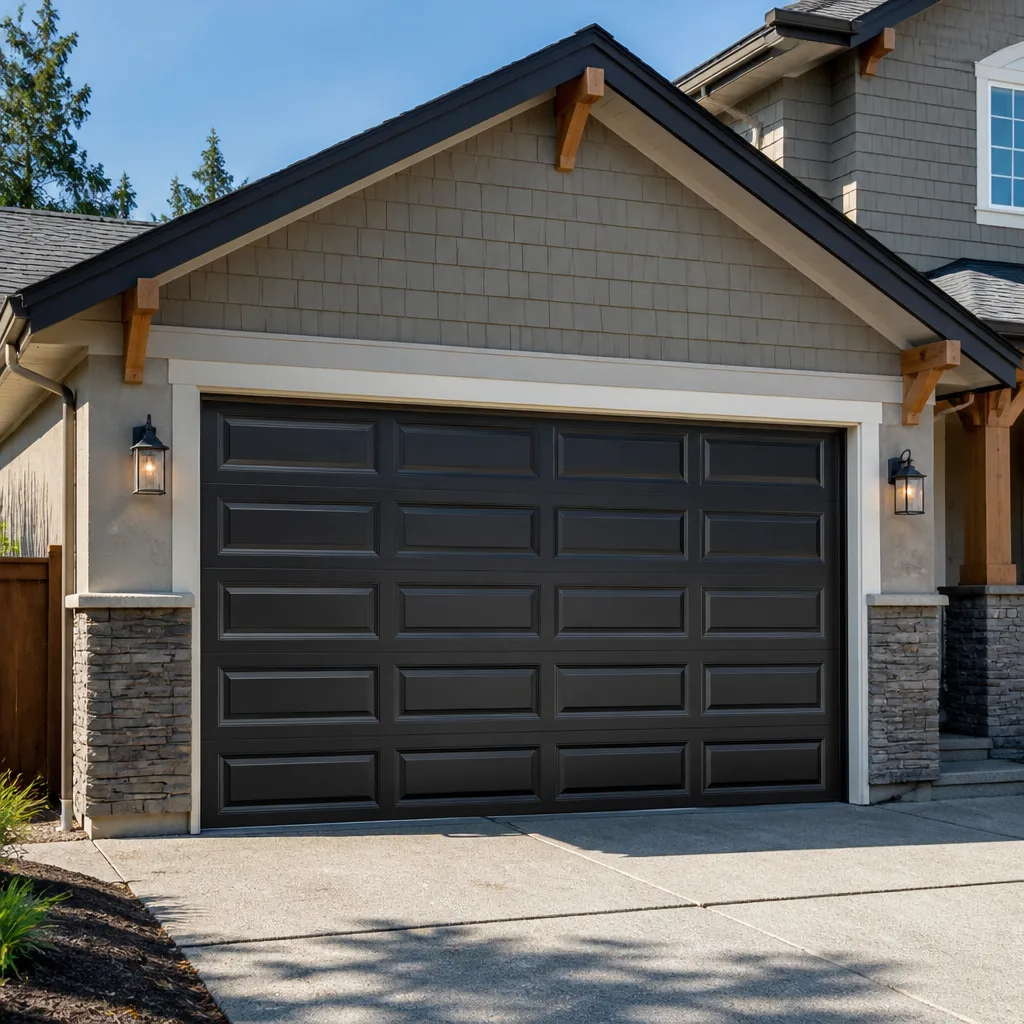 Raised-panel steel
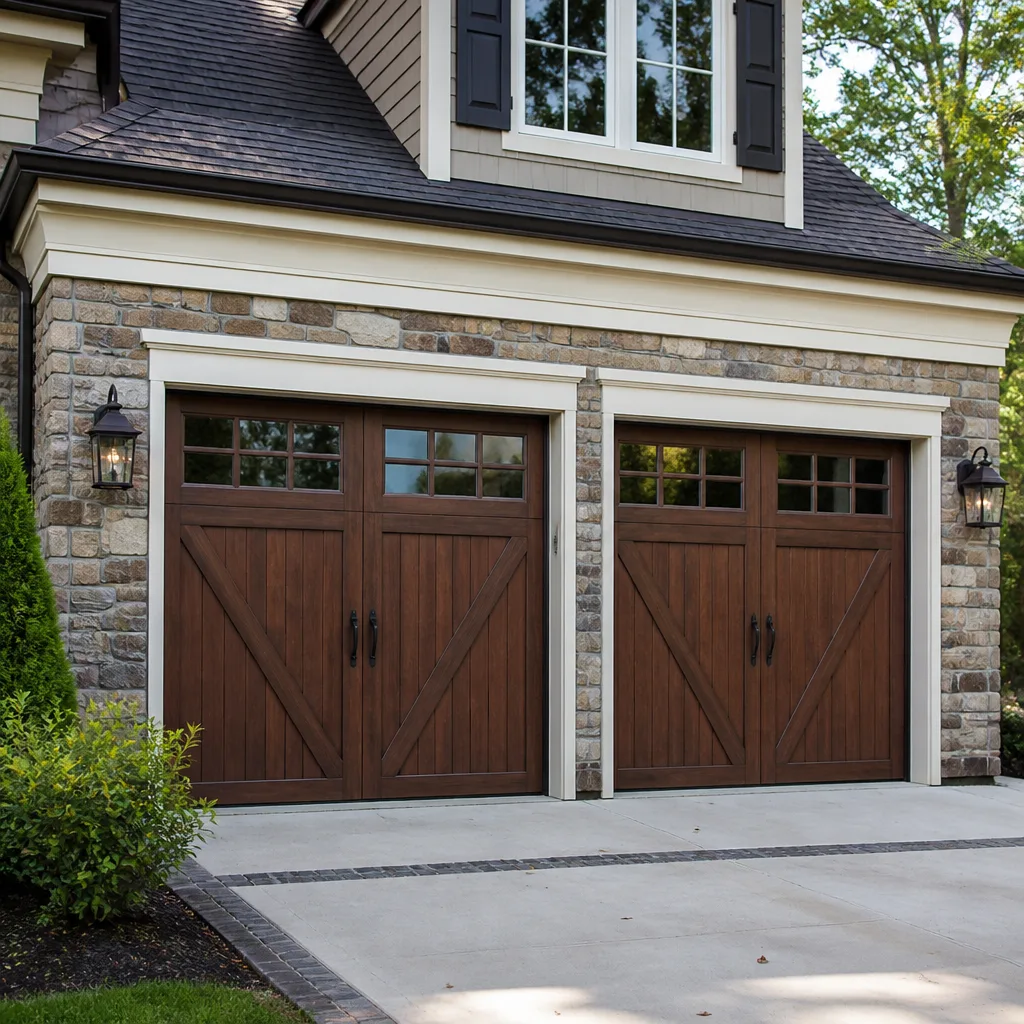 Carriage house
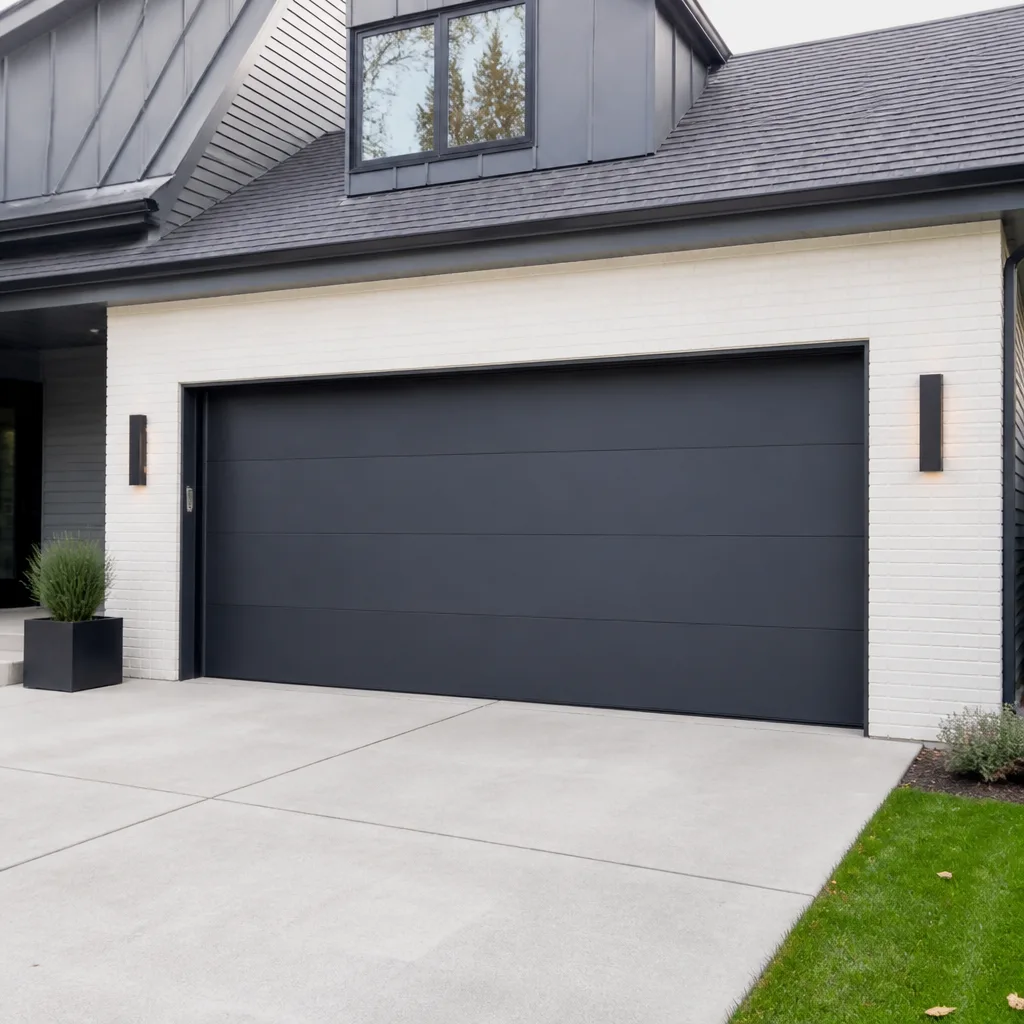 Modern flush
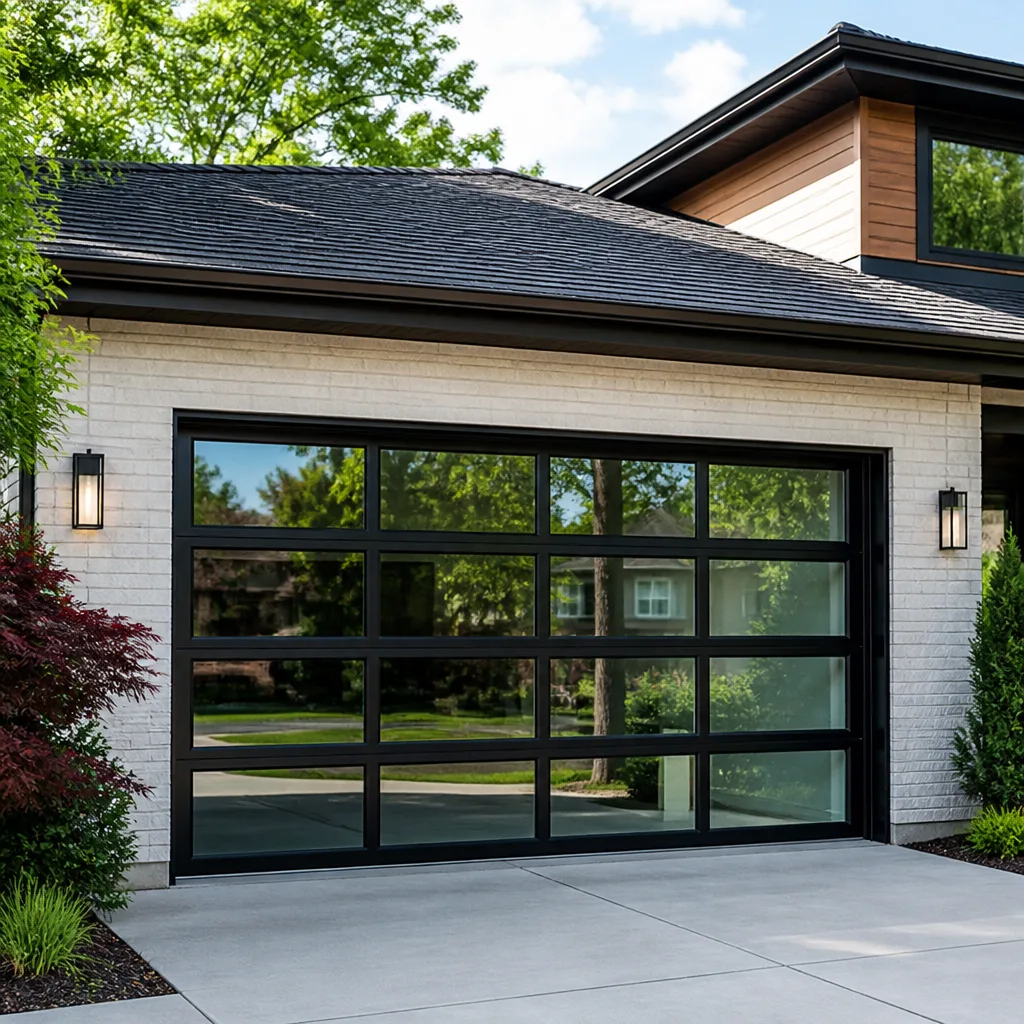 Full-view glass
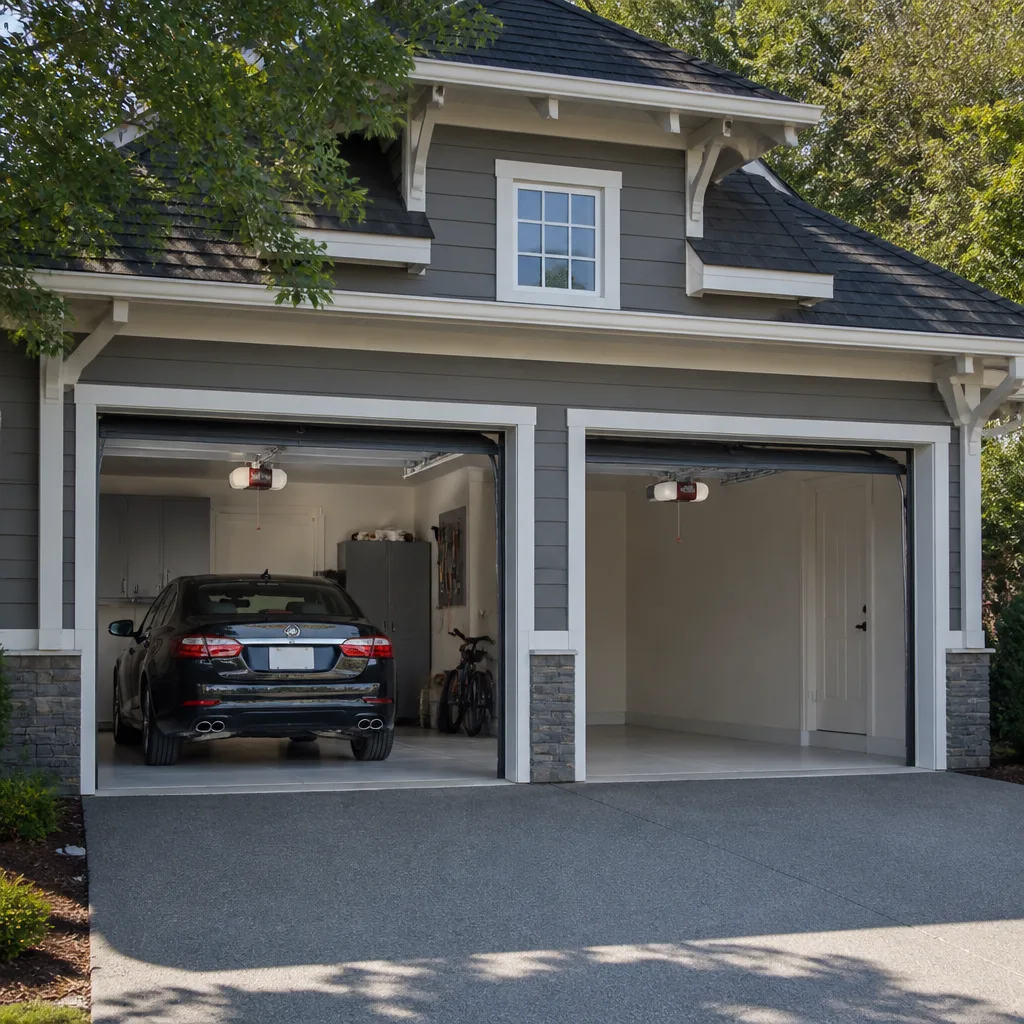 LiftMaster openers
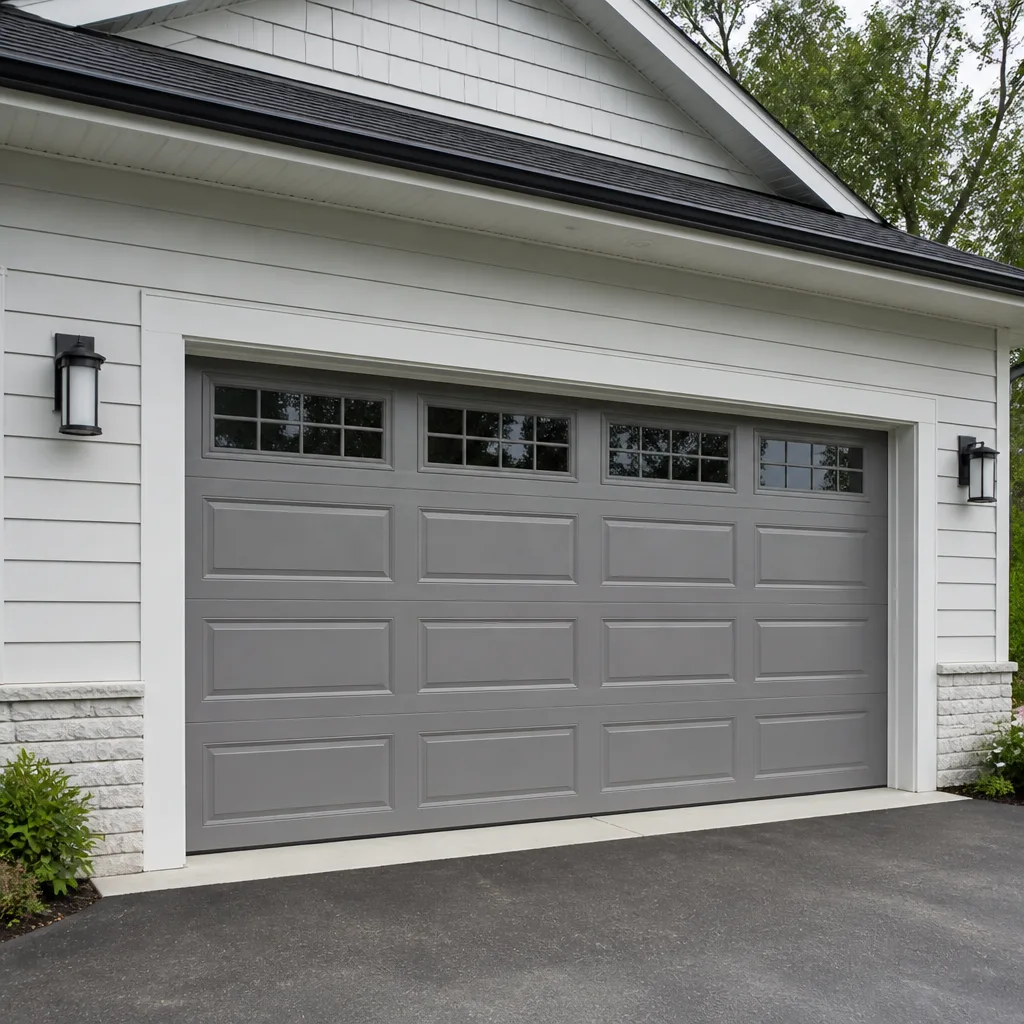 Chamberlain openers
Full 25-point door and opener safety check with every visit - springs, cables, rollers, tracks, and your LiftMaster or Chamberlain opener included
You get a price before we start. It does not change when the pro arrives.
Get your free estimateChoosing the Right Garage Door Brand: A Buyer’s Guide for Belmont Cragin
Clopay, Amarr, and Wayne Dalton all make good doors – but they each have specific product lines designed for Chicago’s climate range, and buying the wrong tier from the right brand is a more expensive mistake than most homeowners realize. A premium door spec’d for a lightly used attached garage can underperform a mid-grade door correctly matched to a Belmont Cragin detached garage that takes daily alley traffic and hard freeze-thaw cycles. Brand loyalty is the wrong place to start. Construction grade, insulation, gauge, and opener compatibility decide whether a door holds up here. This guide walks through all of it, from R-value to warranty exclusions to spring-to-opener matching, so you can choose once and choose right.
Quick Answer
There’s no single best garage door brand for Belmont Cragin – the right pick depends on whether your garage is attached or detached, heated or unheated, and how much traffic it takes. For most alley-facing detached garages here, a mid-grade Clopay, Amarr, or Wayne Dalton steel door in 25- or 24-gauge with an insulated core and hardware that’s easy to source locally beats a premium line built for a climate that doesn’t match ours. Match the door’s spring system to your existing opener, and read the warranty for freeze-thaw exclusions before you buy.
Styles & brands we work with
- Raised-panel steel
- Carriage house
- Modern flush
- Full-view glass
- LiftMaster openers
- Chamberlain openers
Table of Contents
- Why Brand Matters Less Than Construction Grade
- Matching Insulation R-Value to Your Garage Type
- Brand Strengths for Chicago’s Climate Range
- Steel Gauge: What 24 vs 25-Gauge Really Means
- How to Read a Door Warranty for Freeze-Thaw Exclusions
- Matching the Spring System to Your Opener
- Local Considerations: Alleys, Curb Appeal, and Cragin Homes
- Common Mistakes to Avoid
- When to Call a Professional
Why Brand Matters Less Than Construction Grade
The brand name stamped on a door tells you who built it. The construction grade inside that door tells you whether it belongs on your garage. Those are two different questions, and most buyers answer the first one and skip the second. In Belmont Cragin, that’s backwards.
Here’s what we mean. Clopay makes entry-level doors and premium doors. So does Amarr. So does Wayne Dalton. A “$1,200 Clopay” and a “$1,200 Amarr” from the same tier are closer to each other than either is to a bargain-bin door from the same manufacturer. The tier matters more than the logo.
Construction grade breaks into four factors:
- Steel gauge. 24- versus 25-gauge changes dent resistance more than the brand ever will.
- Insulation core. Polyurethane, polystyrene, or none. This is the R-value story.
- Section construction. Steel-backed, steel-both-sides, or sandwich style. Alley-facing garages on Chicago’s near-northwest side need both-sides steel because the inside face takes just as much abuse as the outside.
- Hardware and spring system. The door is only as good as what lifts it. Springs, hinges, rollers, and opener compatibility all determine how the door performs over years of daily use.
We work on the brand you already have – Genie, Clopay, Amarr, Wayne Dalton, and others – so we’re not selling you a particular logo. What we can tell you is that when a door fails early in Belmont Cragin, it’s almost never because the brand was wrong. It’s because the grade didn’t match how the garage was actually used. A detached garage behind a bungalow off Fullerton that opens and closes six times a day needs different construction than a weekend-storage attached garage on a quieter block.
The right fix, not the most expensive one, is what this guide is about.
Matching Insulation R-Value to Your Garage Type
R-value is a measure of how well the door resists heat flow. Higher R-value means better insulation. But here’s the part the marketing specs don’t tell you: the right R-value depends entirely on what’s on the other side of the door, not on the number printed on the packaging. The classic mistake is buying the highest-R door you can afford for a detached, unheated, unconditioned garage. It doesn’t hurt, but you’re paying for performance you’ll never feel.
Matching R-Value to Garage Type
| Garage type | What insulation actually does | General R-value guidance |
|---|---|---|
| Detached, unheated, alley-facing | Reduces drumming, condensation, and interior frost; minimal energy impact | An uninsulated or lightly insulated steel door usually performs fine |
| Attached, unheated | Slows heat loss into the house and stops cold-air drafts | A mid-range insulated door makes a noticeable difference |
| Attached, heated (or with living space above) | Direct impact on home energy use and comfort | Higher R-value earns its keep |
| Workshop or converted garage | Comfort and moisture control for everyday use | Higher R-value with a both-sides steel construction |
Two things R-value tells you apart from the number itself. First, polyurethane cores insulate better per inch than polyurethane’s cheaper cousin, polystyrene, and they make the door quieter. Second, the construction matters as much as the number – a door with insulation only on one side is a different animal than a sandwich-construction door with steel facing both sides. In Belmont Cragin, where winters push doors through repeated freeze-thaw, a both-sides steel door also tends to hold its shape better than a single-sided one.
If you’re unsure which category your garage falls into, that’s a free-measure conversation, not a purchase decision. The measure walk-through tells you more about which door you actually need than any spec sheet. The doorstep version of that walk-through is one reason we encourage homeowners to talk through their garage before they start picking brands.
Brand Strengths for Chicago’s Climate Range
Each major brand has product lines built with climate in mind. Not all of them are aimed at ours. Here’s how we’d frame the three biggest names you’re likely to compare.
Clopay
Clopay’s residential lineup splits into tiers, and the middle tier is where most Chicago-area buyers land. The company’s steel doors with polyurethane insulation handle freeze-thaw panel expansion well because the core doesn’t break down with moisture cycling the way cheap foam sometimes does. Clopay’s hardware is easy to source, which matters when you’re replacing a hinge or a bottom bracket down the road.
Amarr
Amarr is strong on the construction side. Their steel doors tend to be spec’d with panel construction that holds up under temperature swings, and the company’s warranty language is generally clearer about what’s covered than some competitors. Amarr’s finished-steel finishes (paint over galvanized) also hold up well against what Chicago-area weather throws at them.
Wayne Dalton
Wayne Dalton covers a wide range, from entry-level uninsulated doors to insulated premium lines. Their mid-tier doors are commonly found on Belmont Cragin homes already, which means replacement parts are well within reach when something needs fixing. That’s a real advantage – a door whose parts are locally available still works years from now, even if the brand is less prestigious than a competitor.
- Freeze-thaw performance: All three brands offer lines that handle it. What matters is the insulation core type and panel construction, not the logo.
- Parts availability: Clopay and Wayne Dalton tend to be easier to source parts for in the Chicago market. Amarr holds its own.
- Warranty clarity: Amarr generally writes the most direct warranty language. Read the exclusions regardless of brand.
- Finish durability: All three offer finishes that survive our winters. Choose based on tier, not on brand claims.
We stock and sell garage door parts directly, so whichever of these you go with, you’re not waiting on a third-party order when a hinge or roller needs replacing. Parts on hand, not on order, is how we approach it.
Steel Gauge: What 24 vs 25-Gauge Really Means
Steel gauge is measured backwards from intuition: a lower number means thicker steel. So 24-gauge is thicker than 25-gauge. That sounds simple, but a 1-gauge difference translates into a real durability gap when a door faces an alley.
What the Difference Actually Feels Like
- 25-gauge is the standard for most residential doors. It’s fine for typical use and handles weather well. It’s also the most common gauge you’ll see on mid-tier doors from Clopay, Amarr, and Wayne Dalton.
- 24-gauge is heavier. It resists dents noticeably better, especially from the kind of incidental hits an alley-facing door takes – a bike handle, a delivery person’s cart, a kid’s scooter.
- 26-gauge and thinner exists on value-tier doors. It dings more easily and can show waviness after a few winters of thermal cycling.
Here’s the part that gets missed: the inside face of an alley-facing door needs the same gauge as the outside face. A lot of doors are 24-gauge on the street-facing skin and 26-gauge on the interior. That’s fine for an attached garage you never see from behind. For a detached Belmont Cragin garage where you walk past the inside face every time you take out the trash, that lighter inside skin shows every bump and every winter of expansion.
If the door faces an alley, go 24-gauge on both faces if the budget allows. It’s the single biggest durability upgrade you can make for the way most Belmont Cragin garages are actually used. If it’s a side-yard door or a low-traffic attached garage, 25-gauge on both faces is the right call.
For a full replacement picture, our garage door installation page walks through what a proper measure-and-install process looks like from start to finish.
How to Read a Door Warranty for Freeze-Thaw Exclusions
Warranty terms are where brands differentiate themselves more than most buyers expect. Two doors from the same tier can have wildly different warranty language, and the difference often comes down to how the manufacturer handles freeze-thaw climates. Here’s what to look for, in order.
- Read the exclusions section first, not the coverage section. Every warranty leads with what’s covered. The exclusions are where the real story lives. Look specifically for language about “extreme temperature cycling,” “freeze-thaw damage,” or “thermal movement.”
- Check whether finish coverage is pro-rated or full. A lifetime finish warranty that pro-rates after year three is a very different warranty than a full-replacement finish warranty.
- Look for a both-faces-steel clause. Doors with steel facing on both sides sometimes carry a different (and better) warranty than single-sided doors from the same brand.
- Check the insulation core warranty separately from the door warranty. Polyurethane cores and polystyrene cores are often treated differently.
- Confirm what voids coverage. Improper installation voids most warranties. So does an opener that isn’t matched to the door’s spring system. This is why spring-to-opener matching matters as a warranty question, not just a performance one.
- Ask whether the warranty transfers to a new homeowner. Many do, some don’t. It matters if you might sell.
Two of the most common mistakes here: assuming a “lifetime” warranty covers everything, and assuming the manufacturer will honor a claim on a door installed by someone who wasn’t authorized to install that brand. Both happen. Read the fine print, or have someone walk you through it before you sign the estimate.
Matching the Spring System to Your Opener
This is the part of the buying decision most homeowners don’t think about until something goes wrong. Springs and openers aren’t independent. A door’s spring system determines how much force it takes to lift the door. Your opener is rated to deliver a certain amount of force. Mismatch them and you get a door that eats openers, or an opener that wears out springs faster than it should.
What to Match
- Door weight to spring type. Standard-lift torsion springs versus high-lift or extension spring setups. A standard 7-foot door with a standard lift uses a typical torsion setup. A door with a low-clearance track or a high-lift setup needs springs sized specifically for that geometry.
- Opener horsepower to door weight. A heavier 24-gauge insulated door with a both-sides steel construction puts more load on the opener than a lighter 25-gauge uninsulated door. If you’re upgrading the door, don’t carry over an opener rated for a lighter one.
- Opener brand to door brand – sometimes. Most openers work with most doors, but a handful of combinations create friction. LiftMaster and Chamberlain share engineering, so compatibility is nearly seamless between them. Genie systems occasionally need a different bracket for heavier doors. Craftsman is built off Chamberlain engineering and generally compatible.
- Safety sensors and travel limits. Every new door needs the opener’s travel limits reset and safety sensors re-verified after installation. This is a code and safety matter, not a nicety.
If your existing opener is a brand we don’t service, that’s the moment to think about an opener upgrade at the same time as a new door. It’s cheaper and more reliable than doing the door now and the opener a year later. Our garage door opener repair page has more on matching existing openers to replacement doors.
One safety note here, because it matters more than any brand choice. Torsion springs are under extreme tension and the work of replacing or adjusting them is genuinely dangerous. DIY spring work causes serious injuries. We handle springs as a primary service, not a referral – it’s the most common failure point on any garage door and the one place where a trained professional is non-negotiable.
Local Considerations: Alleys, Curb Appeal, and Cragin Homes
Belmont Cragin’s housing stock shapes door decisions in ways a generic brand guide won’t tell you. The neighborhood is full of detached garages accessed from alleys, many behind bungalows and two-flats built in a range of eras. Those garages see more daily open-close cycles than a suburban attached garage and they take harder weather because there’s no house on the other side acting as a buffer.
Alley traffic. A detached garage on an alley-fronted lot sees the door open and close far more often than a door facing a driveway. That heavy use wears springs faster. It also means the inside face of the door gets seen – not just by you but by anyone walking the alley. A both-sides steel door with 24-gauge construction is money well spent here; a single-sided door shows every dent.
Freeze-thaw cycles. Chicago’s winter doesn’t just get cold, it cycles. Temperatures bounce above and below freezing through the season, and each cycle works on the door’s panels, seals, and finish. Doors built for stable cold weather do fine. Doors built for warmer climates show panel separation and finish cracking sooner. This is where matching the door’s product line to Chicago’s range pays off, and where warranty language matters most.
Curb appeal. The door is the largest flat surface on the front of many Cragin homes. Panel style, window inserts, and color all matter more than the brand logo. A mid-tier Clopay in the right panel style will look better on a Belmont Cragin bungalow than a premium Amarr in a style that doesn’t fit the architecture.
Property managers and multi-unit buildings. If you manage a multi-unit building with several doors, matching brands across the property makes parts inventory and repairs simpler. Standardizing on one opener brand and one door line means one set of parts, one source of truth. This is where our garage door repair coverage matters for property managers – a specialist who knows the brands already installed on the property is a faster call than a generalist who has to start from scratch.
Common Mistakes to Avoid
- Buying the highest R-value for a detached unheated garage. You’ll pay for insulation you can’t feel. Match R-value to garage type, not to the biggest number on the packaging.
- Skipping the inside-face gauge check. An alley-facing door with 24-gauge street-facing steel and 26-gauge interior steel will look beaten up within a few winters of normal Cragin alley use. Check both faces.
- Assuming “lifetime warranty” means no exclusions. Read the freeze-thaw and thermal movement clauses. Some warranties look strong on page one and get very thin on page four.
- Replacing the door but keeping an opener sized for a lighter one. A heavier door with a both-sides steel construction needs an opener matched to the new load. This is a warranty and performance issue, not an optional upgrade.
- Picking a brand before picking the tier. The tier within a brand matters more than the brand itself. A mid-tier Clopay and a mid-tier Amarr are closer than a premium and entry door from either.
- Choosing a panel style that doesn’t fit the block. The right door for a ranch-style garage may not be right for a Cragin bungalow. Style and brand are two different decisions.
- Assuming a generalist will handle it correctly. Garage doors are a specialist trade. Springs, openers, and door-to-opener matching don’t come up in plumbing or general contracting work, and the spring system is exactly where DIY or non-specialist work becomes dangerous.
See the difference
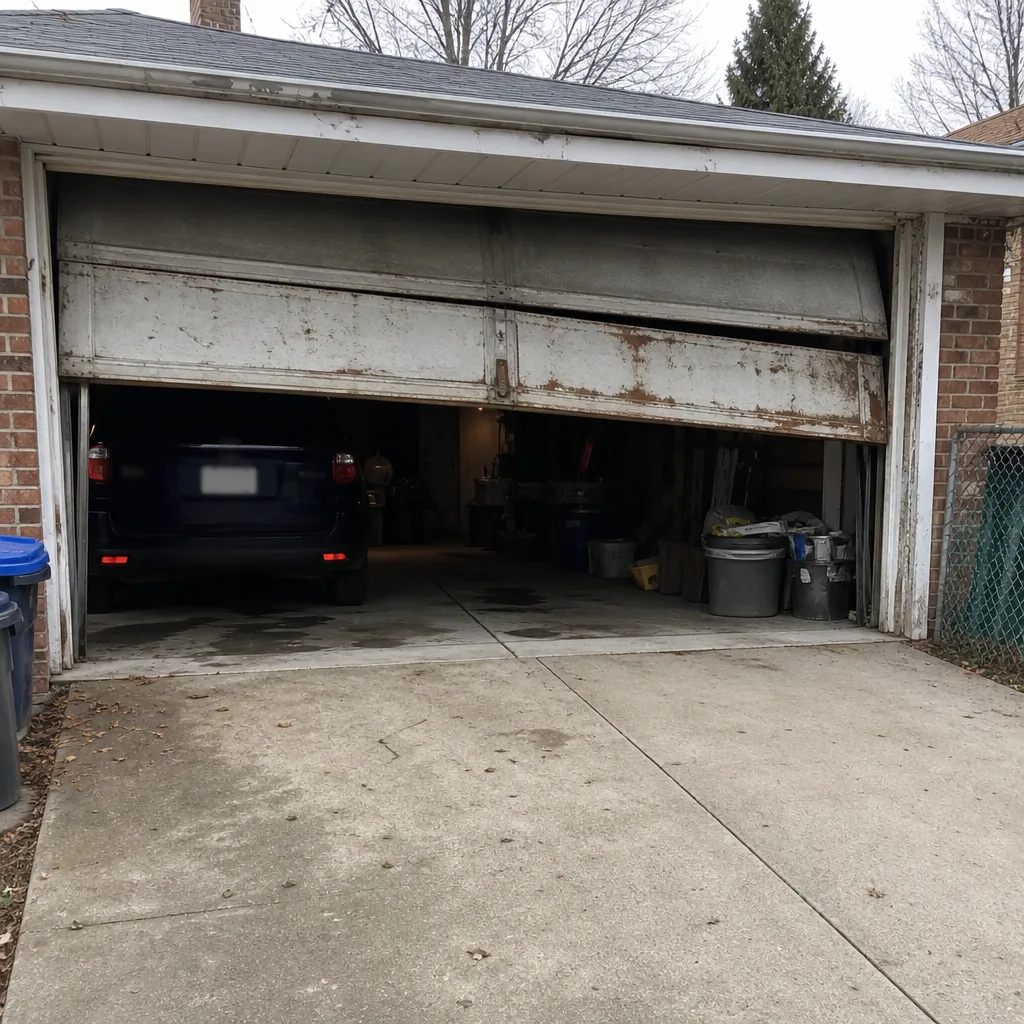 Before
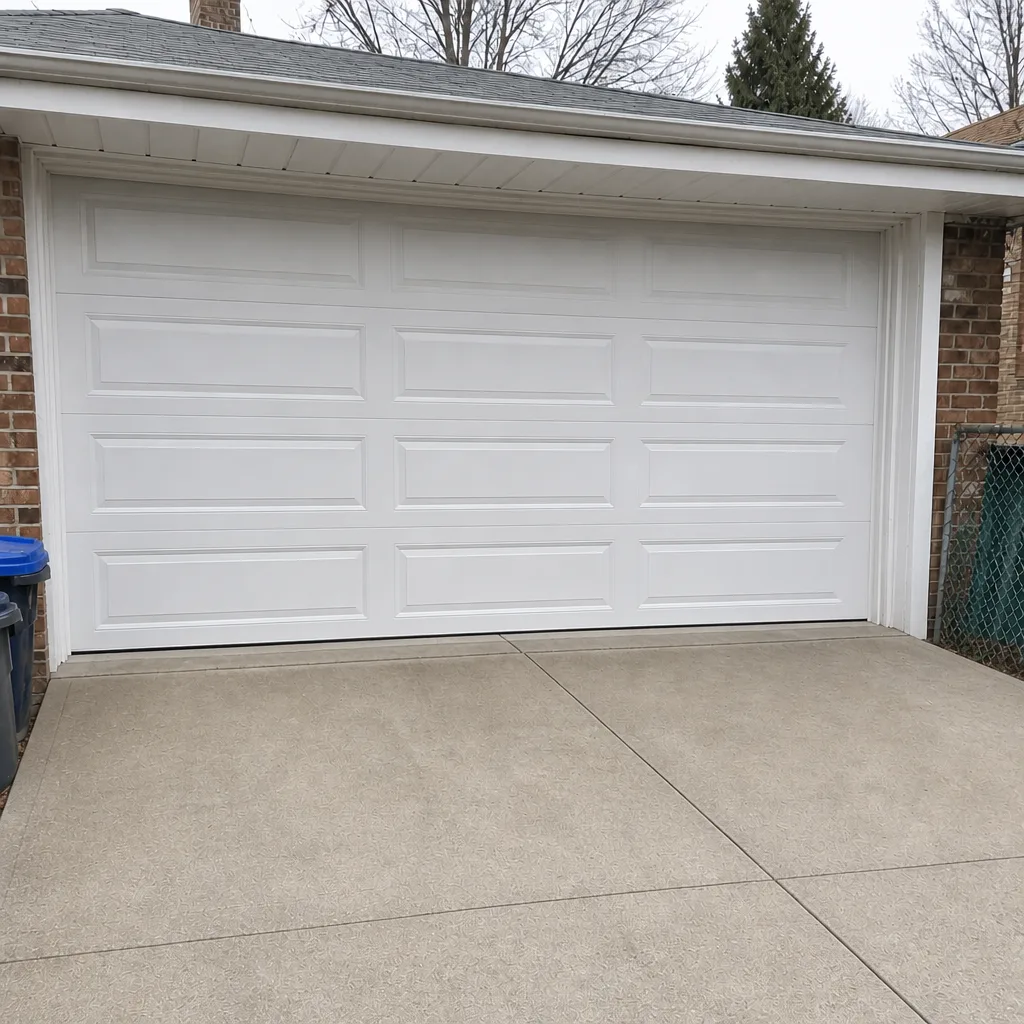 After
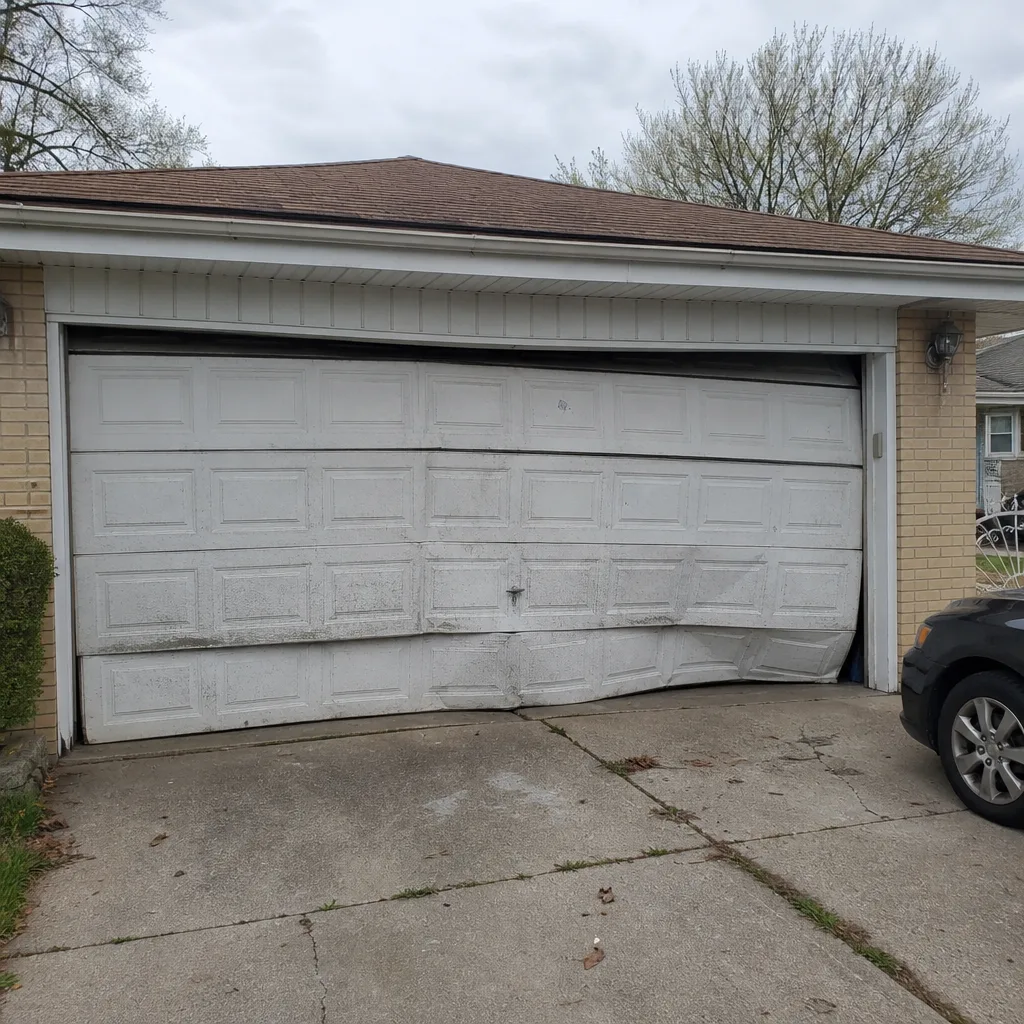 Before
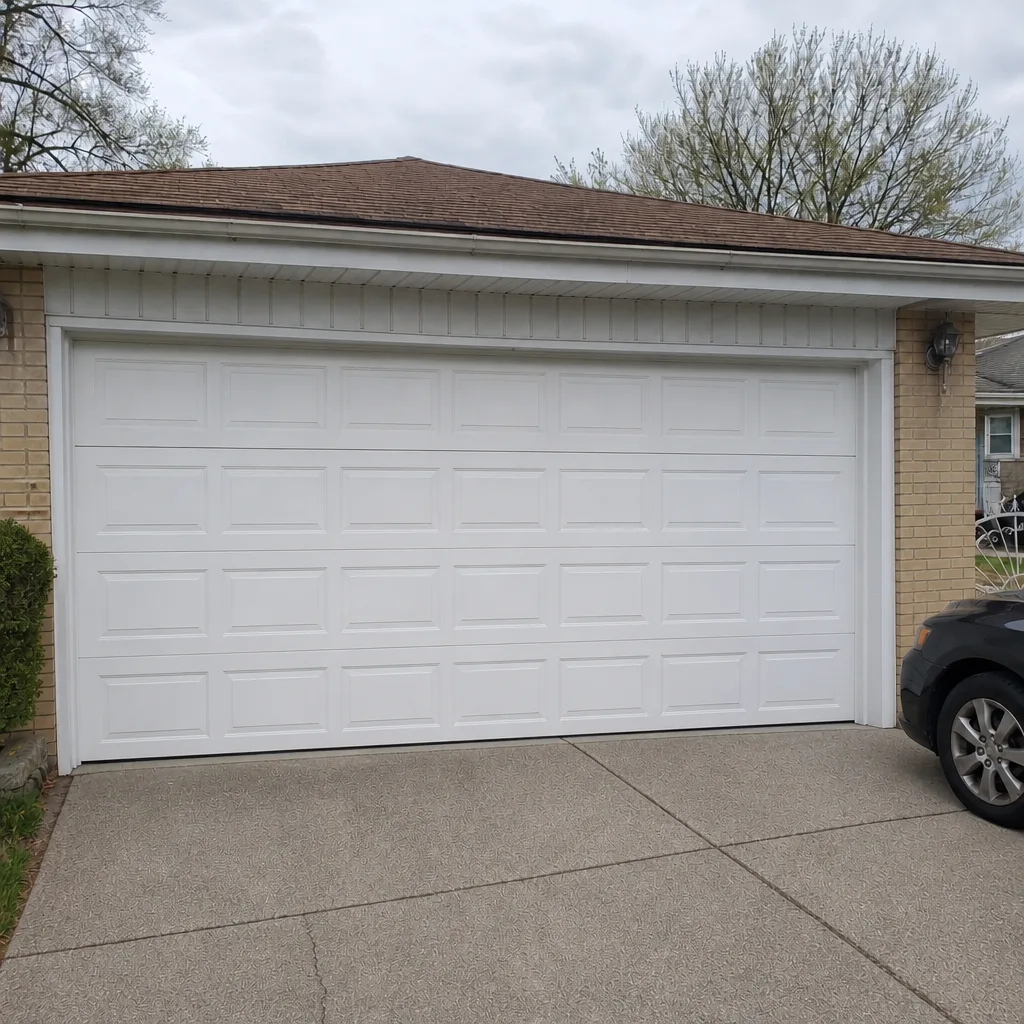 After
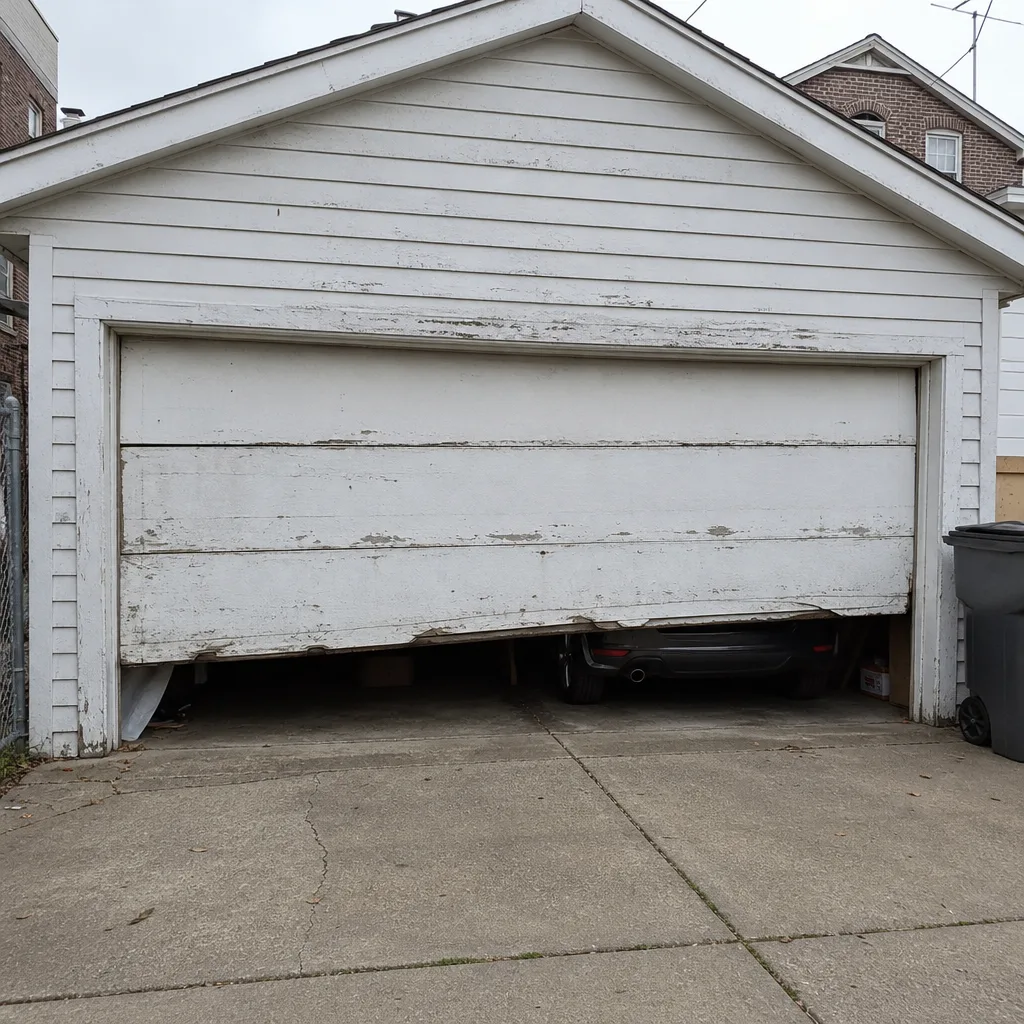 Before
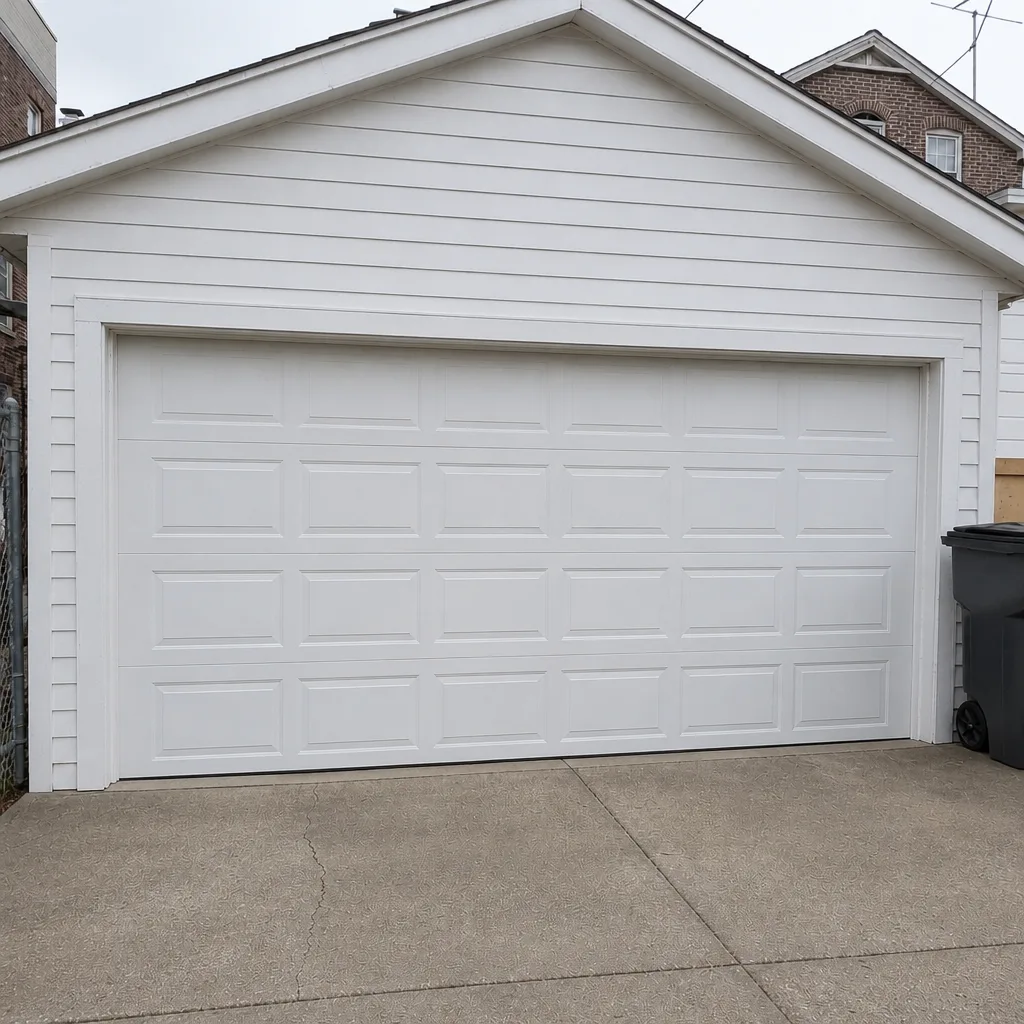 After
When to Call a Professional
Some door problems are decisions. Others are safety matters that stop being decisions the moment you look inside the mechanism. Call us if the door is out of balance (it lifts unevenly or feels heavy), if the springs are visibly stretched or making a loud pop when the door moves, if the door drifts down on its own when opened halfway, if the opener runs but the door doesn’t move, if the safety sensors are misaligned or the door closes on objects, or if you’re buying a new door and want to match the door line to how the garage is actually used. Any of these can turn into a bigger, more expensive problem if left alone – and any spring issue is genuinely dangerous to touch.
For day-to-day repairs, our Garage Door Repair Belmont Cragin team is the place to start, and a quick call to (833) 468-5695 gets you a free estimate. Garage Door Repair Belmont Cragin offers free estimates in Belmont Cragin – call (833) 468-5695. You’ll get a written price agreed before any work begins, and every job starts with an honest look at what’s actually wrong.
Frequently Asked Questions
There’s no single best brand – the right pick is the product line within a brand that’s spec’d for Chicago’s freeze-thaw range. Clopay, Amarr, and Wayne Dalton all offer mid-tier lines that hold up here, but the difference between tiers from the same brand is larger than the difference between brands at the same tier. Match the insulation core type, the panel construction, and the warranty language to our climate, and you’ll get a door that lasts. Call (833) 468-5695 if you want a straight answer about which line fits your garage.
For most detached, unheated, alley-facing garages here, a lightly insulated or even uninsulated steel door performs fine. R-value matters far more for an attached, heated garage or one with living space above it. Buying the highest R-value for a detached unheated garage is one of the most common overbuying mistakes we see. If you’re not sure which category your garage falls into, call us and we’ll talk it through before you buy.
Read the exclusions section, not the coverage section, and look specifically for phrases like “extreme temperature cycling” or “thermal movement.” If those appear as exclusions, the warranty is narrower than the marketing spec suggests. Check whether finish coverage is pro-rated or full, and check whether the insulation core warranty is separate from the door warranty. Call (833) 468-5695 for help reading a warranty before you sign.
Not necessarily, but compatibility varies by combination. Most doors work with most openers, but a heavier door needs an opener rated for its weight, and a few brand combinations need a different bracket or a bracket upgrade. LiftMaster and Chamberlain share engineering and match easily; Craftsman is built off Chamberlain design; Genie occasionally needs a small adjustment. The bigger issue is door weight to opener horsepower, not the brand logo. Call for an exact quote on matching a new door to an existing opener – estimates are free.
24-gauge on both faces if the budget allows, 25-gauge on both faces otherwise. The key point is that the inside face matters as much as the outside on an alley-facing door. A 24-gauge street-facing skin with a 26-gauge interior skin will look beaten up within a few winters of normal use in Belmont Cragin. Check both faces before you commit.
We’re closed on Saturdays. If a door fails on a Saturday, call and we’ll book you for Sunday. Reach us at (833) 468-5695 for weekday scheduling, and we’ll get a written price to you before any work begins.
The Bottom Line
Brand choice matters less than construction grade matched to how your garage is actually used. In Belmont Cragin, that means 24-gauge both-faces steel for alley-facing detached garages, insulation matched to whether the garage is heated or unheated, warranty language checked for freeze-thaw exclusions, and a spring-and-opener system sized to the door’s weight. Clopay, Amarr, and Wayne Dalton all make lines that fit this neighborhood – the wrong tier from the right brand is the more common mistake than the wrong brand from the right tier. Match grade to use, read the exclusions, and match the spring system to the opener. For a written estimate before any work starts, call (833) 468-5695. Our technicians have up to 10 years of experience, and we handle springs, openers, and full replacements as a garage-door-only specialty. For spring and opener issues specifically, our garage door repair page covers the repair side in more depth, and our garage door installation page covers the full replacement process.
Written by the team at Garage Door Repair Belmont Cragin.