Last updated November 21, 2026
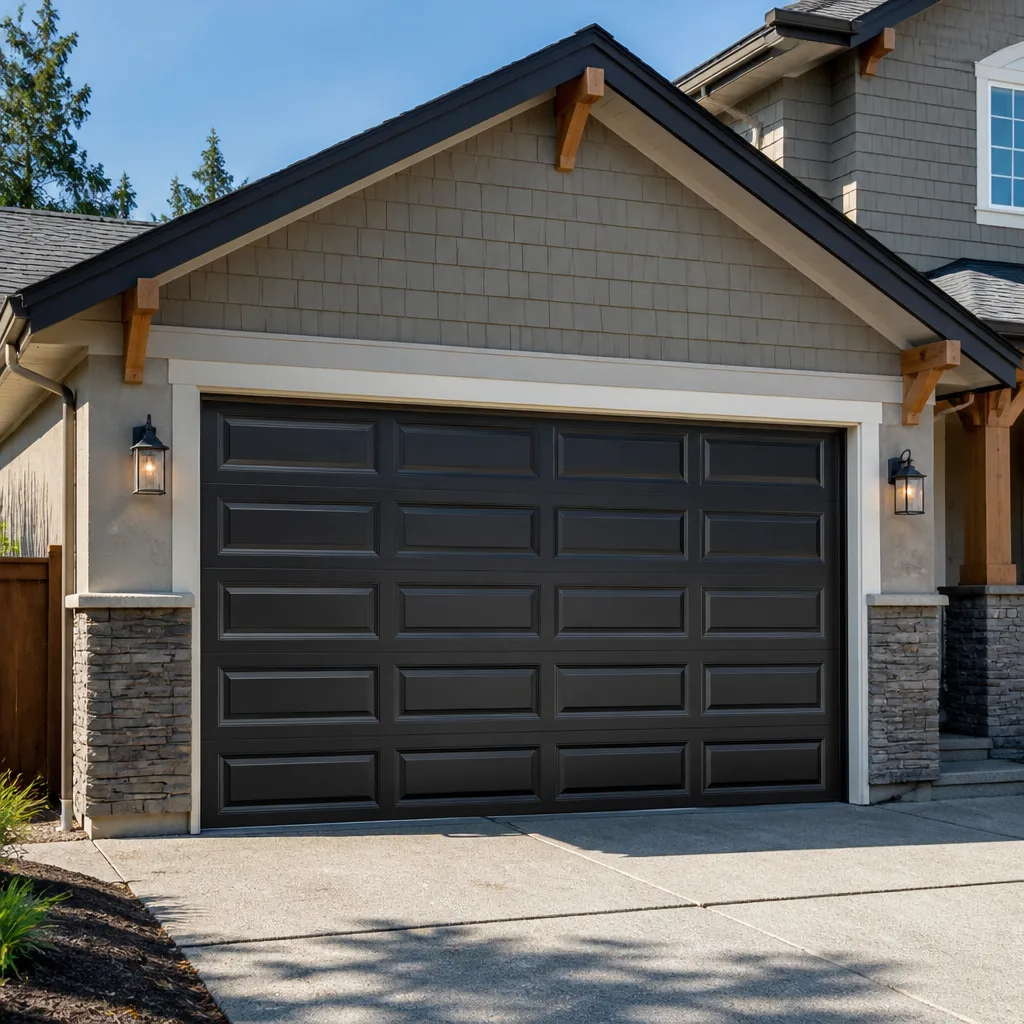 Raised-panel steel
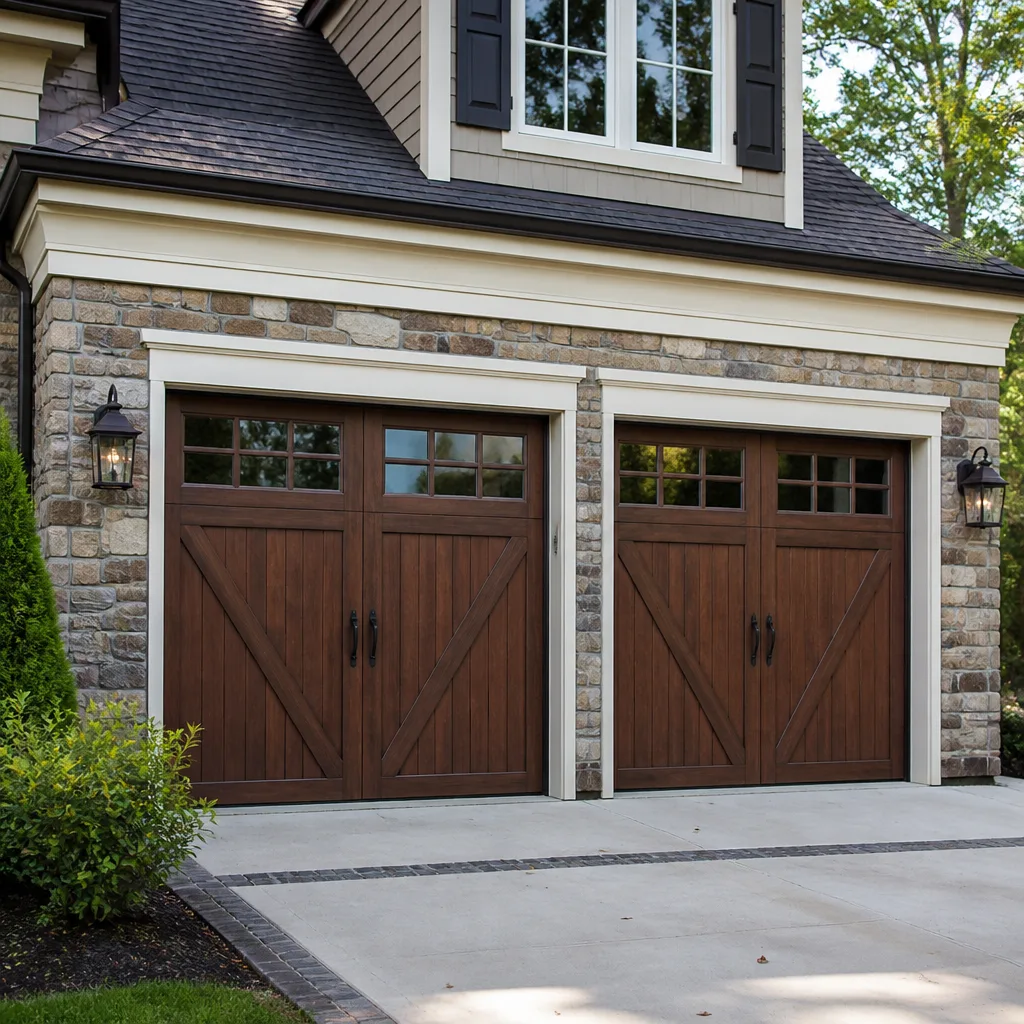 Carriage house
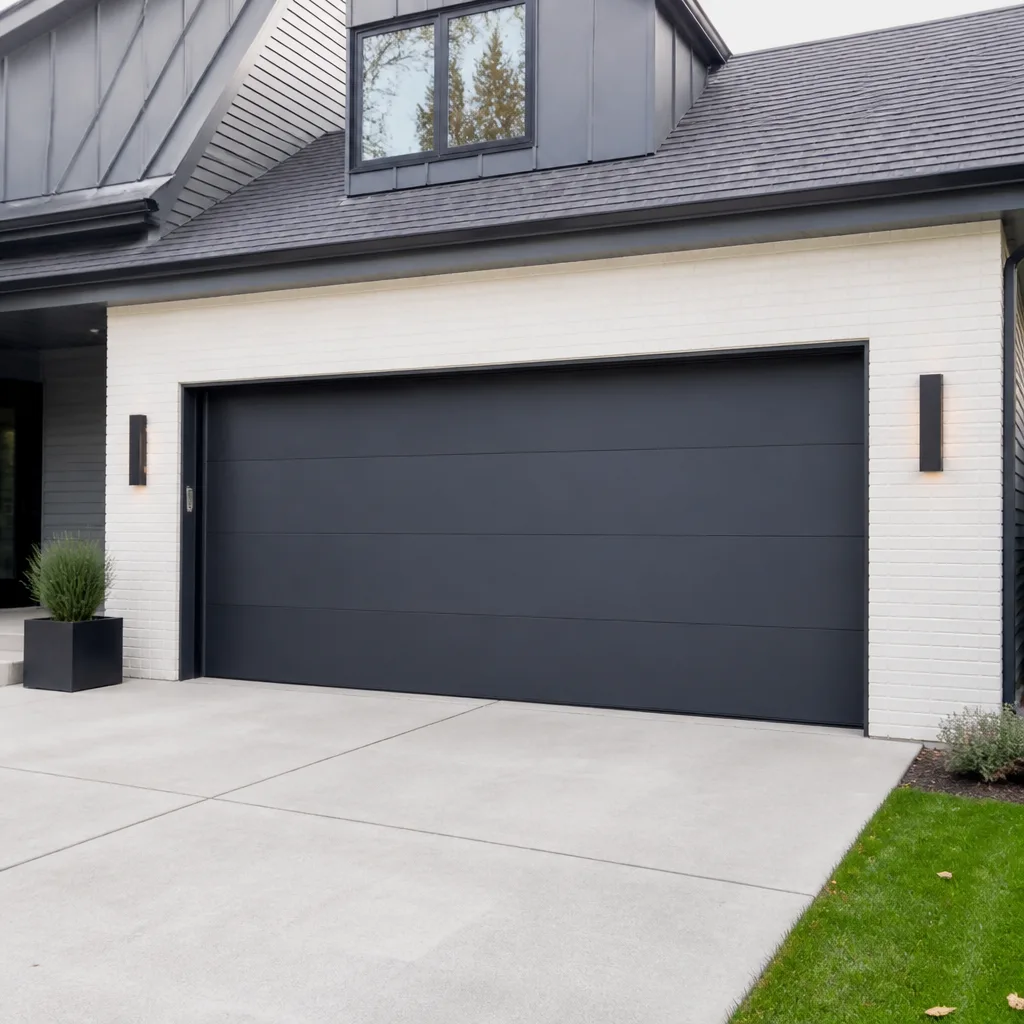 Modern flush
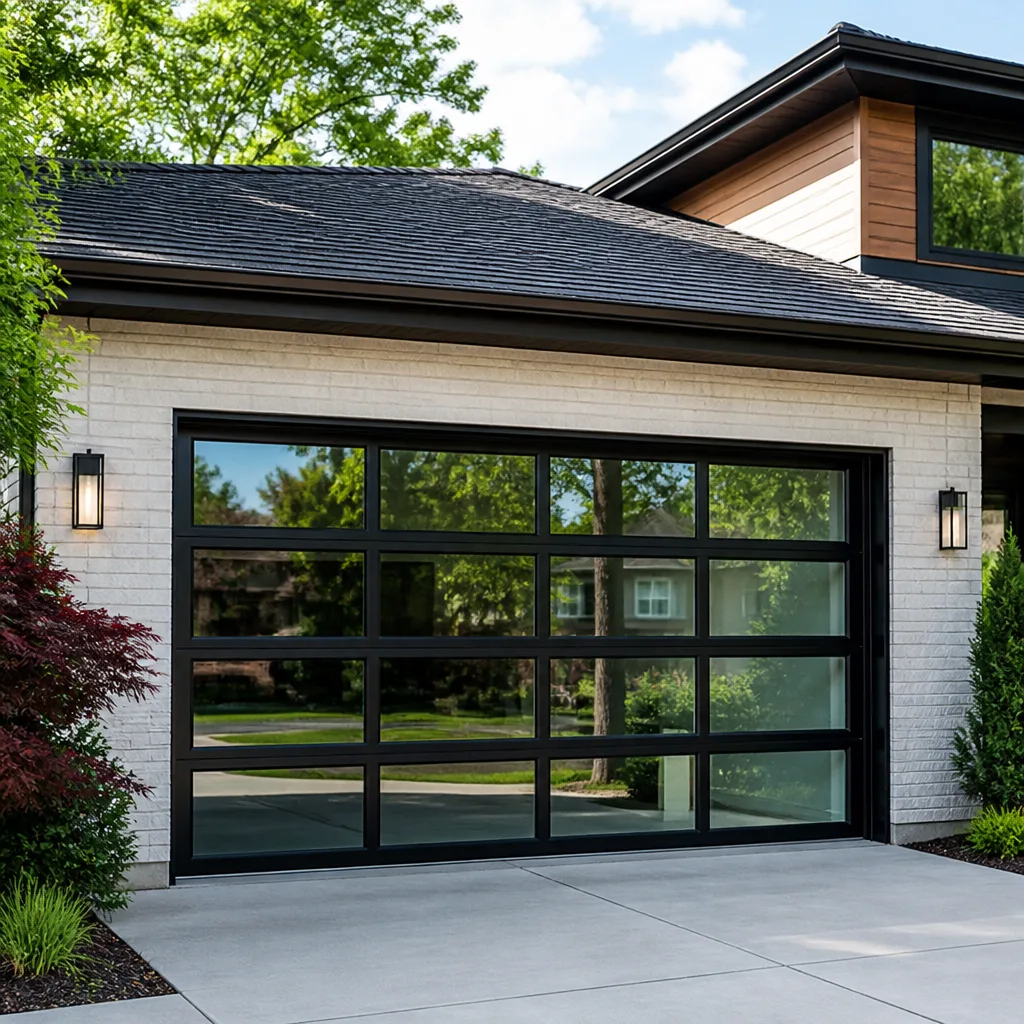 Full-view glass
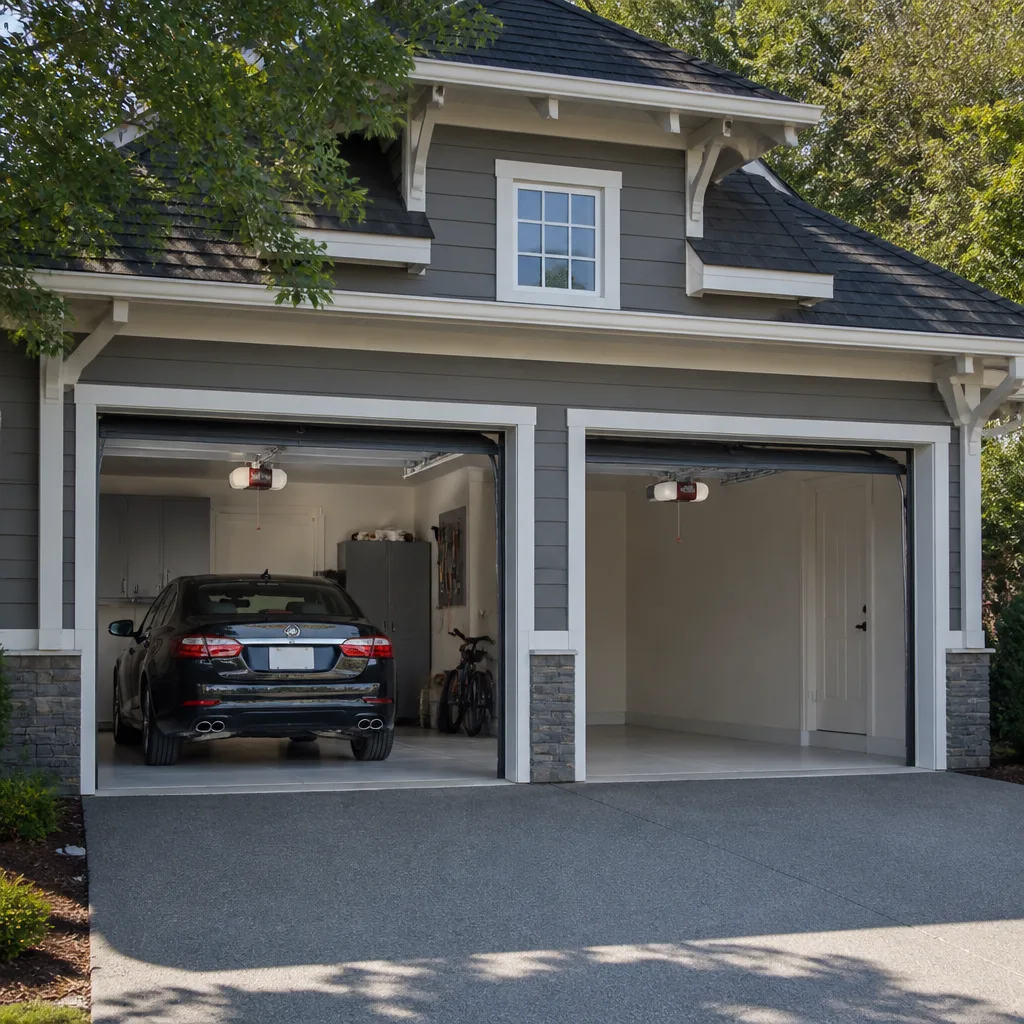 LiftMaster openers
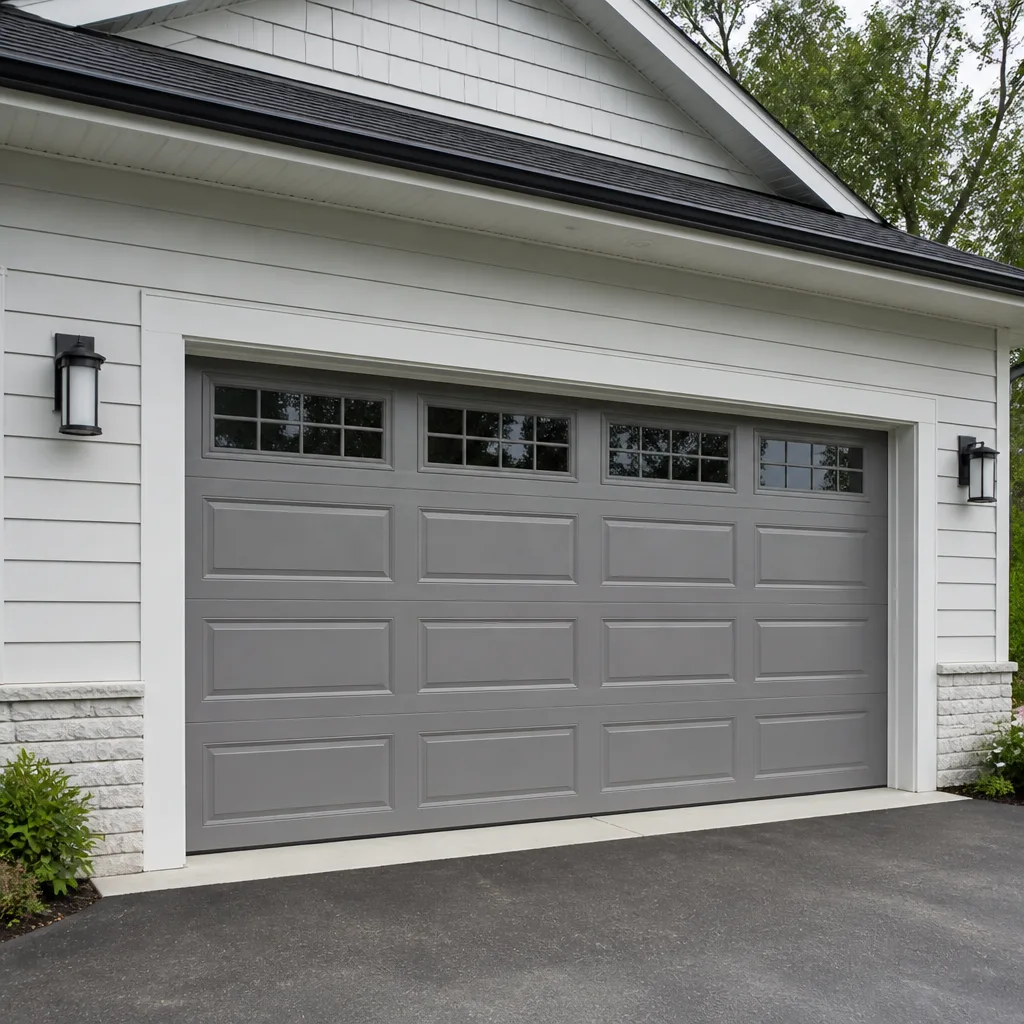 Chamberlain openers
Full 25-point door and opener safety check with every visit - springs, cables, rollers, tracks, and your LiftMaster or Chamberlain opener included
You get a price before we start. It does not change when the pro arrives.
Get your free estimateGarage Door Cost Breakdown: The Belmont Cragin Homeowner’s Reference for 2026
Most garage door pricing advice you’ll find online was written for a subdivision full of identical 16×7 doors. Belmont Cragin doesn’t look like that. Much of the neighborhood’s housing went up in the early and mid-twentieth century, and a lot of those garages have 8×7 or 9×7 single-car openings that don’t match off-the-shelf panel sizes. That one fact changes the math more than any other. In this reference we break down what garage door work costs in Belmont Cragin in 2026: labor rates on Chicago’s Northwest Side, why older openings drive up door prices, what parts actually cost, where a permit sits as a line item, and which upgrades are worth the money. If you want the short version for your own door, call (833) 468-5695 and we’ll give you a written price for free.
Quick Answer
In Belmont Cragin, typical garage door costs in 2026 run about $180 to $340 for one torsion spring replacement, $250 to $400 for a standard opener replacement, and $1,400 to $3,600 for a new single-car door installed, depending on size, insulation, and finish. Older 8×7 and 9×7 openings in the neighborhood often need custom-width panels, which adds roughly $200 to $600 before labor. The written estimate we give you before any work starts is the price you pay.
Styles & brands we work with
- Raised-panel steel
- Carriage house
- Modern flush
- Full-view glass
- LiftMaster openers
- Chamberlain openers
Table of Contents
- What does garage door labor cost in Belmont Cragin versus the suburbs?
- Why do older Belmont Cragin openings cost more than a standard door?
- What do parts and openers actually cost?
- What does a City of Chicago permit add to the bill?
- Where are the real savings, and where should you not cut?
- What do common repairs cost line by line?
- How do you compare two garage door quotes fairly?
What does garage door labor cost in Belmont Cragin versus the suburbs?
A garage door labor rate on the Northwest Side of Chicago runs higher than a suburban benchmark, and the gap is real, not invented. Belmont Cragin sits inside the city limits, which means city labor rates apply, drive time between jobs runs longer than in a grid of subdivisions, and a contractor has to factor in parking, tighter alleys, and the extra care older garages demand. When someone quotes you a suburban price and then tacks on travel or parking at the end, the bill climbs. We put labor in the written estimate up front.
A typical labor breakdown for common garage door work in Belmont Cragin looks like this:
- Spring replacement: two springs or one, disassembly and reassembly of the torsion system, rebalancing. The labor portion is usually in the $120 to $220 range per spring job.
- Opener replacement: removal of the old unit, mounting a new one, wiring, safety sensor alignment, travel and force calibration. Labor typically runs $150 to $260.
- New door installation: removal of the old door and track, assembly, spring tensioning, track alignment, and a full safety check. Labor on a single-car door commonly lands between $350 and $700, more on a double door.
- Cable, roller, and hinge service: smaller jobs that often get bundled, with labor in the $90 to $180 range.
Why the gap versus the suburbs? Three things. First, city labor costs more across every trade, and garage doors are no exception. Second, older housing stock in Belmont Cragin means more adjustment work: out-of-square openings, rusted track, and headers that settle. Third, access. A lot in the neighborhood has a narrow gangway or a shared alley, and that changes how a crew works. None of this is padding. It’s the cost of doing the job properly on a door that isn’t brand new.
If you want to know whether a repair or a replacement makes more sense for your door, our guide to garage door repair walks through the decision and the warning signs. The point is to get a real answer, not the most expensive one.
Why do older Belmont Cragin openings cost more than a standard door?
A standard new garage door is built for a 16×7 double-car opening in a newer subdivision, or an 8×7 or 9×7 single-car opening in a newer home. Belmont Cragin’s older garages often measure slightly off that. An 8×7 opening that’s actually 97 inches wide, or a header that’s a half inch out of level, means the door you order has to be sized to the opening rather than pulled off a shelf. That’s where a $200 to $600 upcharge appears before labor even enters the picture.
Custom-width panels are the biggest driver. Door manufacturers tool their production lines around standard widths. When the opening is non-standard, the panel height, width, and track radius all need adjustment. The individual pieces cost more, and there’s a lead time to plan for. Here’s how a Belmont Cragin single-car door compares to a suburban benchmark:
- Standard 8×7 or 9×7 door, in-stock sizes: a basic uninsulated door lands around $700 to $1,200 for the door alone, before labor and permit.
- Custom-width door, Belmont Cragin older garage: the same grade of door typically runs $900 to $1,800 because the panels are cut to fit.
- Double-car door, 16×7: $1,100 to $2,400 for the door, more for a carriage-style or insulated version.
- Insulated two-layer or three-layer door: adds $300 to $700 over a basic door, and worth it in the Chicago cold if the garage is attached or used for storage.
The practical takeaway: before you shop for a door, measure the opening at three points across the width and three points down the height. If those measurements disagree by more than half an inch, a custom-sized door is the safe choice, and your estimate needs to reflect that from the start. When we measure, we measure to the opening, not to the old door. That’s the difference between a door that fits and one that fights its track for years.
Belmont Cragin’s winter cold also plays a role in door choice. A single-layer steel door with no insulation is fine for a detached garage used mostly for storage, but a drafty door on an attached garage sends cold air into the house all winter. When you’re already paying for a custom-width panel, adding an insulated layer is usually the better call. Our garage door installation page gets into insulation options and door styles if you want to go deeper.
What do parts and openers actually cost?
Parts pricing is where a lot of garage door quotes quietly inflate. The springs, cable, rollers, and hinges themselves are not expensive – what you’re paying for is the labor, the safety knowledge, and the fact that a repair company has to carry inventory. A reasonable retail markup on parts is normal. A markup that dwarfs the labor line isn’t. Here’s a plain look at the parts side of the bill:
- Torsion springs: the pair of springs at the top of the door, the components most likely to fail under daily use. Parts alone typically run $60 to $140 depending on the cycle life, and installed you’re paying $180 to $340 for one spring or roughly double for a matched pair, which is usually replaced together.
- Cables: steel lift cables that work with the springs. Parts are modest, and installed a cable replacement typically runs $120 to $260.
- Rollers and hinges: small components that wear with time. Set of rollers installed usually lands $100 to $180; hinges generally add $30 to $80 to that.
- Opener, standard chain-drive: a LiftMaster or Chamberlain chain-drive opener in the $200 to $350 parts range, installed $400 to $550 including labor and calibration.
- Opener, belt-drive or smart: a Genie belt-drive or a smart opener adds $100 to $200 over chain drive for a quieter, connected unit.
We keep parts on hand, not on order, so a repair doesn’t stall waiting for a spring to ship. If you’re handy and want the components for your own project, our parts supply service lets you buy them directly. What we won’t do is mark a spring up to three times its cost and hide it in the labor line. The written estimate shows you what each part costs.
One more note on parts. A spring is rated for a number of cycles, and if you’re paying for a spring replacement, ask what cycle life you’re getting. A higher cycle spring costs a bit more but lasts longer. That’s a fair question to ask on any quote, and any technician should be able to answer it plainly. When you need an opener looked at rather than replaced, our garage door opener repair service covers all the major brands, and our technicians have up to 10 years of experience with them.
What does a City of Chicago permit add to the bill?
A new garage door installation in Chicago requires a permit, and the permit is a real line item that should appear on your estimate. Replacing a spring, an opener, or a set of rollers does not need a permit. A full door replacement does. The permit fee on your estimate should be listed separately, not folded into the labor line, so you can see exactly what the city is charging versus what the job costs.
How to tell if a contractor is padding the permit line: ask for the permit number once it’s pulled, and ask to see the city fee on the application. A reputable contractor will show you the actual fee and add only a small administrative charge, if any, for pulling it. If the permit line looks far higher than the fee you can verify with the city, that’s a red flag. We can’t quote you a flat permit cost here because it varies with the scope of the job, but we can tell you to verify it and ask the city’s building department directly what the current fee is for your job.
- Confirm a permit is needed. Door replacement generally requires one; repairs generally don’t. Ask your city’s building department to confirm for your job.
- Ask who pulls the permit. Usually the contractor does. Make sure the permit is in the property owner’s name or clearly noted on the estimate.
- See the fee separately. The permit fee and any administrative charge should be a visible line, not buried in labor.
- Ask for the permit number when it’s issued. A closed job should have a record with the city. This protects you if you ever sell the home.
- Ask whether an inspection is required after the work is done, and who schedules it. A complete job includes closing out the permit.
Belmont Cragin homeowners sometimes skip the permit to save a few hundred dollars, and that’s a bad trade. An unpermitted door replacement can complicate a future sale or an insurance claim. The permit cost is small next to the cost of a door. Build it into the budget and do it right.
Where are the real savings, and where should you not cut?
The genuine savings on a garage door job come from three places: the opener brand, the finish, and the insulation level. The places where cutting cost creates a bigger bill later are springs, cables, and track. Most homeowners get this backward. They’ll pay top dollar for a smart opener and then try to save a hundred dollars on a lower-cycle spring, which is the part that fails first and takes the whole door with it.
Where to save:
- Opener brand. A LiftMaster or Chamberlain chain-drive unit does the same job as a premium smart opener for most homes. If you don’t need app control or a battery backup, the standard unit is the value pick.
- Finish. A basic factory finish on a steel door is durable and costs far less than a carriage-house style or wood-look finish. If you’re not matching a specific home style, skip the upgrade.
- Insulation level. For a detached garage used only for storage, an uninsulated single-layer door is the right call. An attached garage that’s heated benefits from insulation, but a two-layer door is often enough without going to a premium three-layer model.
- Panel repair over replacement. If one section is dented, replacing a single panel can be far cheaper than a full door, when the panel is available in your size.
Where not to cut:
- Springs. Buy the higher cycle life. A cheap spring fails faster, and a spring failure can damage the door or the opener.
- Cables and safety sensors. These are safety components. Never accept a discount that skips replacing a frayed cable or a broken sensor.
- Track and hardware. A cheap set of rollers or a misaligned track wears the door out faster. Use quality hardware or you’ll be back in a year.
One final note on safety. Torsion springs are under extreme tension, and a garage door is one of the most dangerous systems in the home to work on yourself. We don’t give step-by-step repair instructions for springs or cables for that reason. If a spring is broken, or a cable is frayed, the safe move is to leave the door closed and have a trained professional handle it. That’s not a sales line. It’s what an experienced technician would tell a neighbor.
What do common repairs cost line by line?
Not every garage door problem means a new door. For most Belmont Cragin homes, the fix is a repair, and the price depends on the component. Here’s a line-by-line look at the typical cost ranges for common repairs in 2026:
- One torsion spring replacement: $180 to $340 installed. A matched pair is usually replaced together, so a pair costs roughly double.
- Opener replacement, standard: $250 to $400 installed.
- Opener repair only: $120 to $260 for labor, parts extra, depending on whether it’s a logic board, a gear, a sensor, or a remote.
- Lift cable replacement: $120 to $260 installed.
- Set of rollers: $100 to $180 installed.
- Panel replacement: $150 to $400 per panel, depending on size and finish availability.
- New single-car door, standard size: $900 to $1,800 for the door, plus labor and permit.
- New single-car door, custom-width for older Belmont Cragin garage: $1,400 to $3,600 all-in, depending on insulation and finish.
These are typical estimates for the neighborhood, not fixed prices. Your actual job depends on the door, the opening, and the condition of the existing track and hardware. That’s why the written estimate matters: once we’ve measured, the number on the estimate is the number you pay. If the job turns up something we didn’t see, we talk to you before doing the work, not after the invoice.
For the full range of what we handle, from springs to panels to openers, our main Garage Door Repair Belmont Cragin page covers the service side. Every part and every tool we use is for garage doors only. That focus is the reason we can quote these numbers fairly.
How do you compare two garage door quotes fairly?
A low quote and a fair quote can look similar on a single line. The difference shows up in what’s included. When you’re comparing two contractors in Belmont Cragin, put them side by side on a few specific points and the padding will become obvious. The estimate that reads clearly is usually the honest one.
- Ask for the labor and the parts separately. A quote that’s one lump sum hides the breakdown. You want to see what you’re paying for parts versus time.
- Confirm the spring cycle life. Cheap springs are a common way to make a quote look low. Higher cycle springs cost more but fail less often.
- Ask what the permit covers. A new-door quote should list the permit as its own line. A repair quote shouldn’t include one.
- Confirm brands. Ask which opener brand and which door brand will be installed. A LiftMaster, Chamberlain, Genie, or Clopay unit is a known quantity; an unbranded unit may not be.
- Check whether existing hardware is reused or replaced. A quote that reuses rusted track and old rollers to keep the price low will cost you more later.
- Get the written price and the scope in writing. Ask whether the estimate is the final price. If it isn’t, ask what would change it.
- Check the warranty terms. A garage door job should have clear warranty language on parts and labor. If it doesn’t, ask.
The right fix, not the most expensive one, is the standard to hold every quote to. If one contractor recommends a full door replacement and a spring repair clearly solves the problem, ask why. A good technician can explain the reasoning in plain language. If they can’t, call us and get a second look. It costs nothing.
Common Mistakes to Avoid
- Assuming the national average applies to Belmont Cragin. Most online cost guides assume a 16×7 door in a newer subdivision. A single-car garage in Belmont Cragin often costs more because the door has to be cut to fit.
- Skipping the measure. Ordering a door that’s an inch off from the opening means either it won’t fit or it will fight its track from day one. Measure the opening, not the old door.
- Cutting corners on springs. A cheap spring fails faster, and when it fails, the opener can take damage too. Buy the higher cycle life.
- Letting the contract skip the permit. A door replacement without a permit can cause trouble at resale or with an insurance claim. It’s a small cost and it should be on the estimate.
- Treating a quote as final when it isn’t. If the estimate doesn’t call out the scope, ask what would add to the price. You should never be surprised by the invoice.
- Assuming a generalist handles garage doors well. Springs and torsion systems are dangerous and take specific training. A crew that also does plumbing and HVAC is spread too thin for a system that needs exact adjustment.
- Skipping the safety sensor check. The sensors at the bottom of the door are a safety feature, not an accessory. If they’re misaligned or failing, that’s a repair worth doing immediately.
See the difference
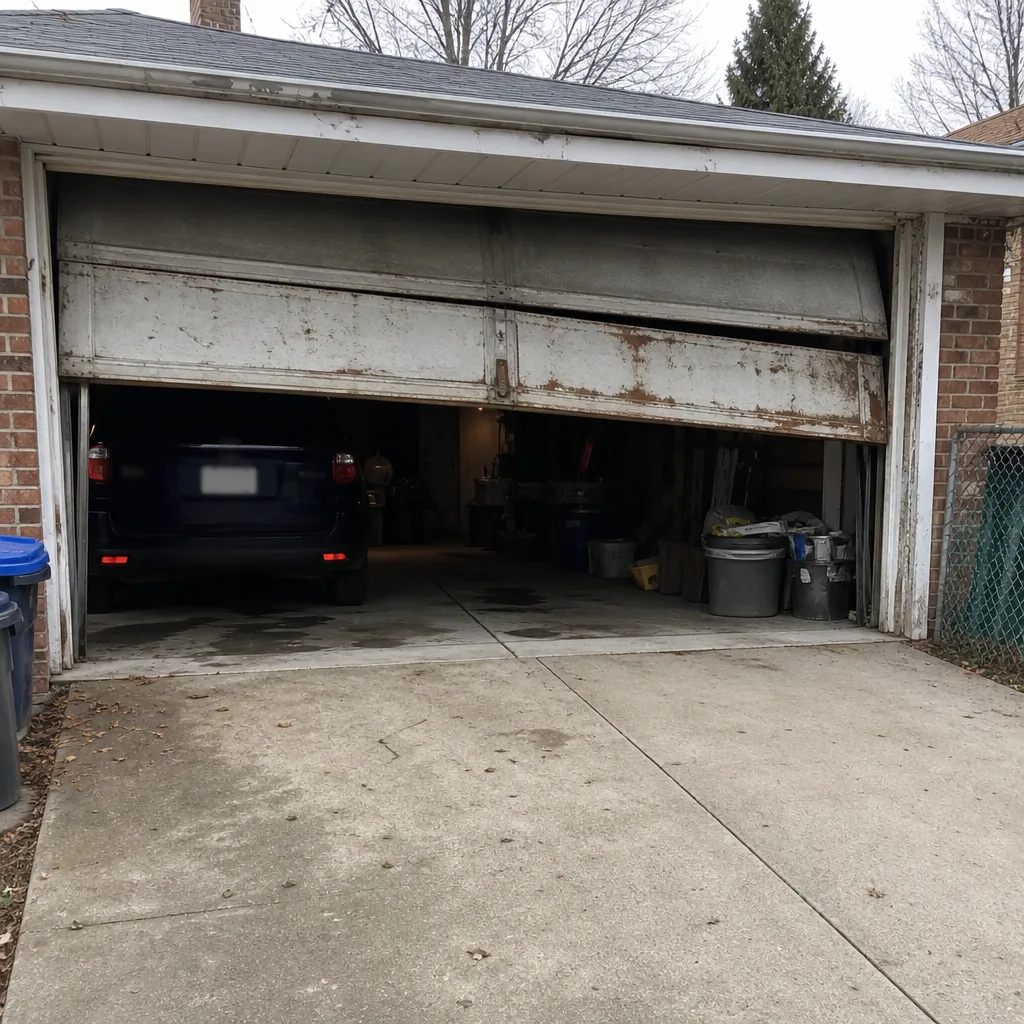 Before
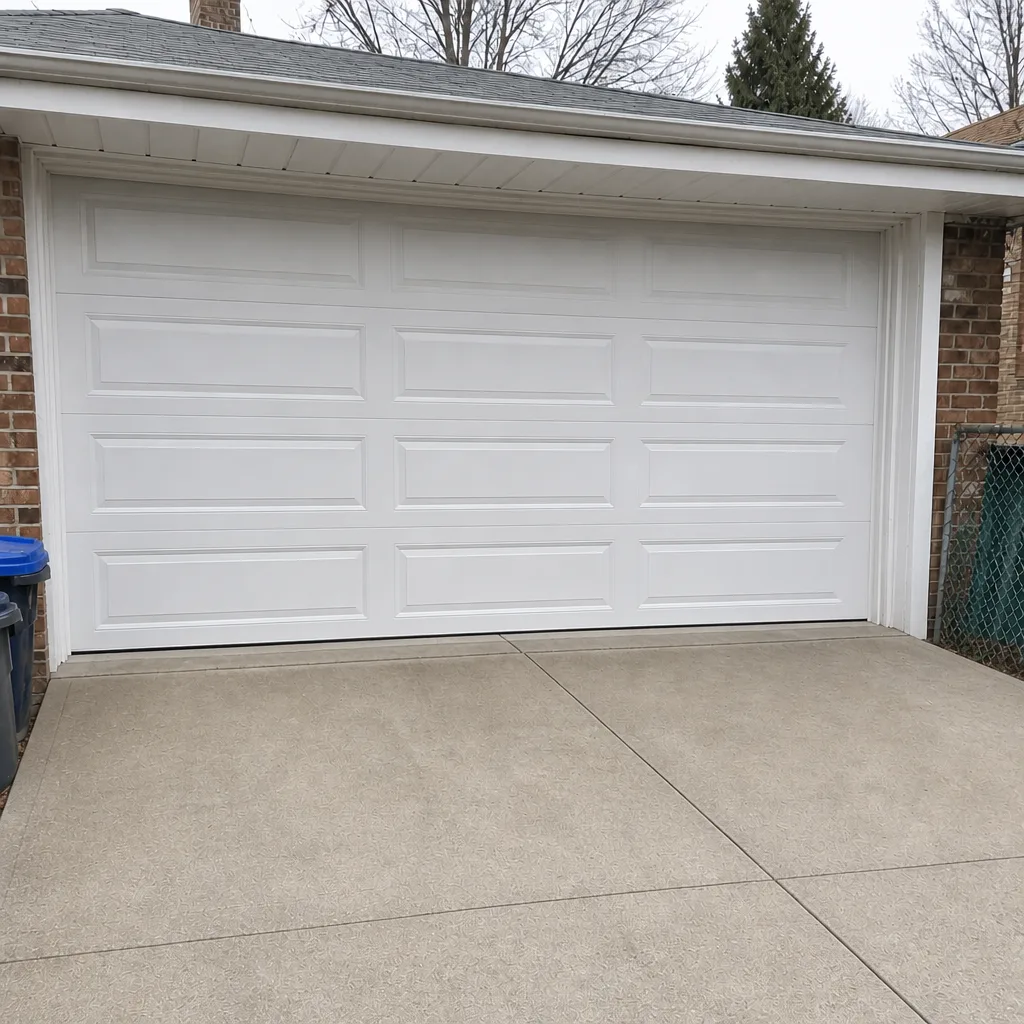 After
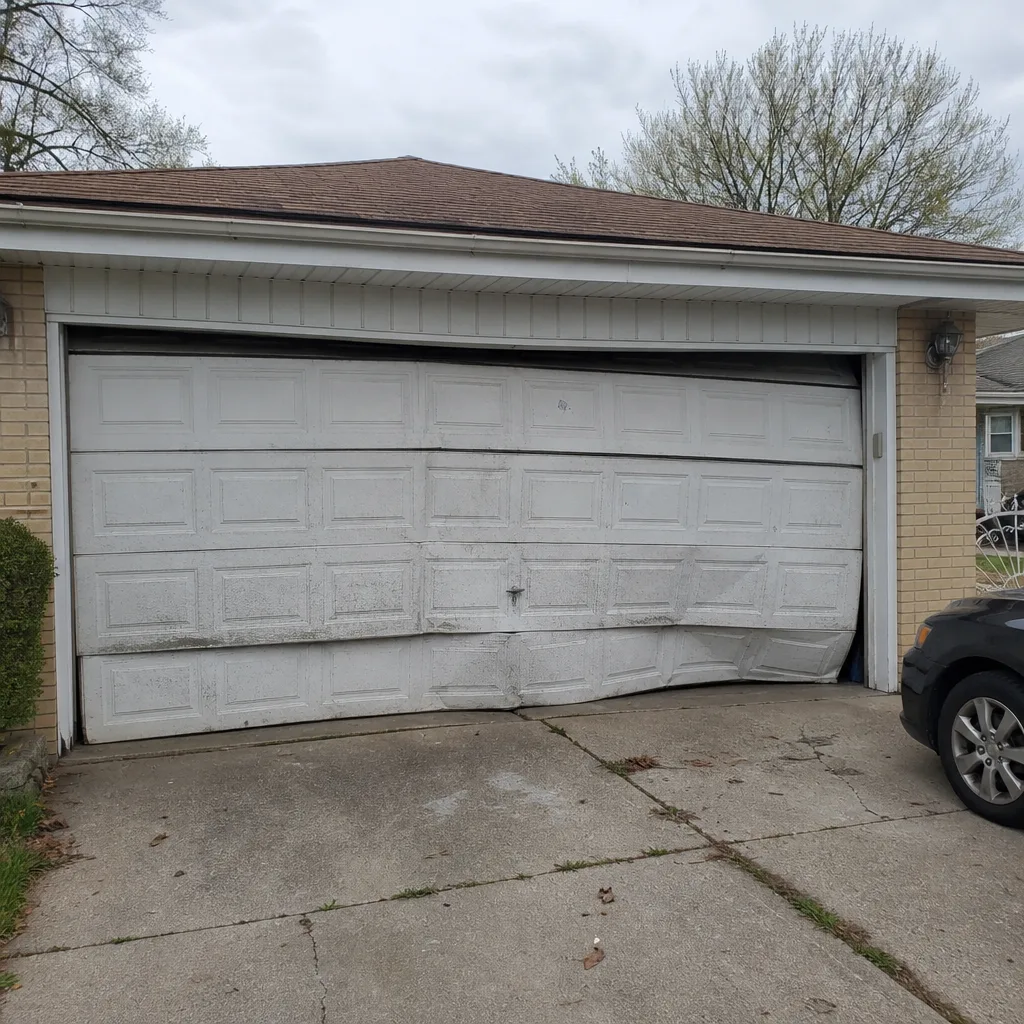 Before
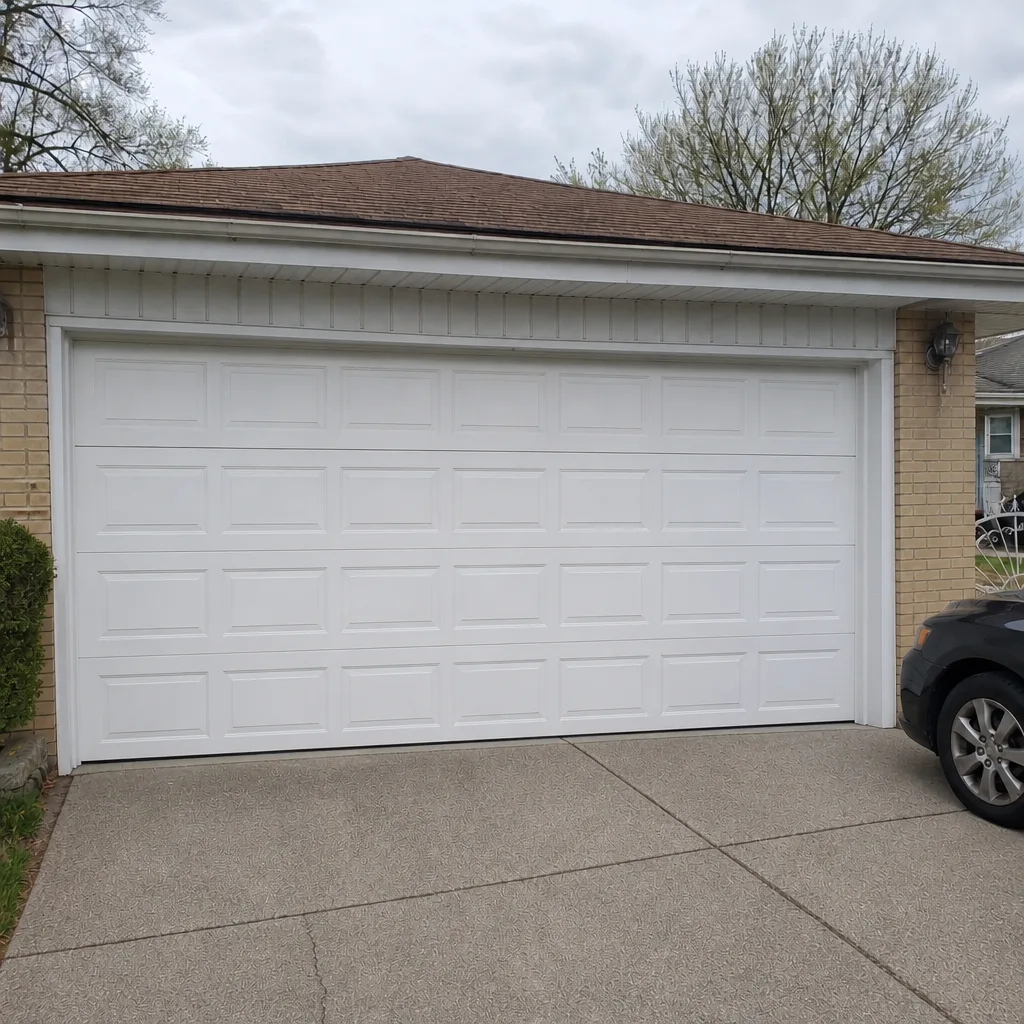 After
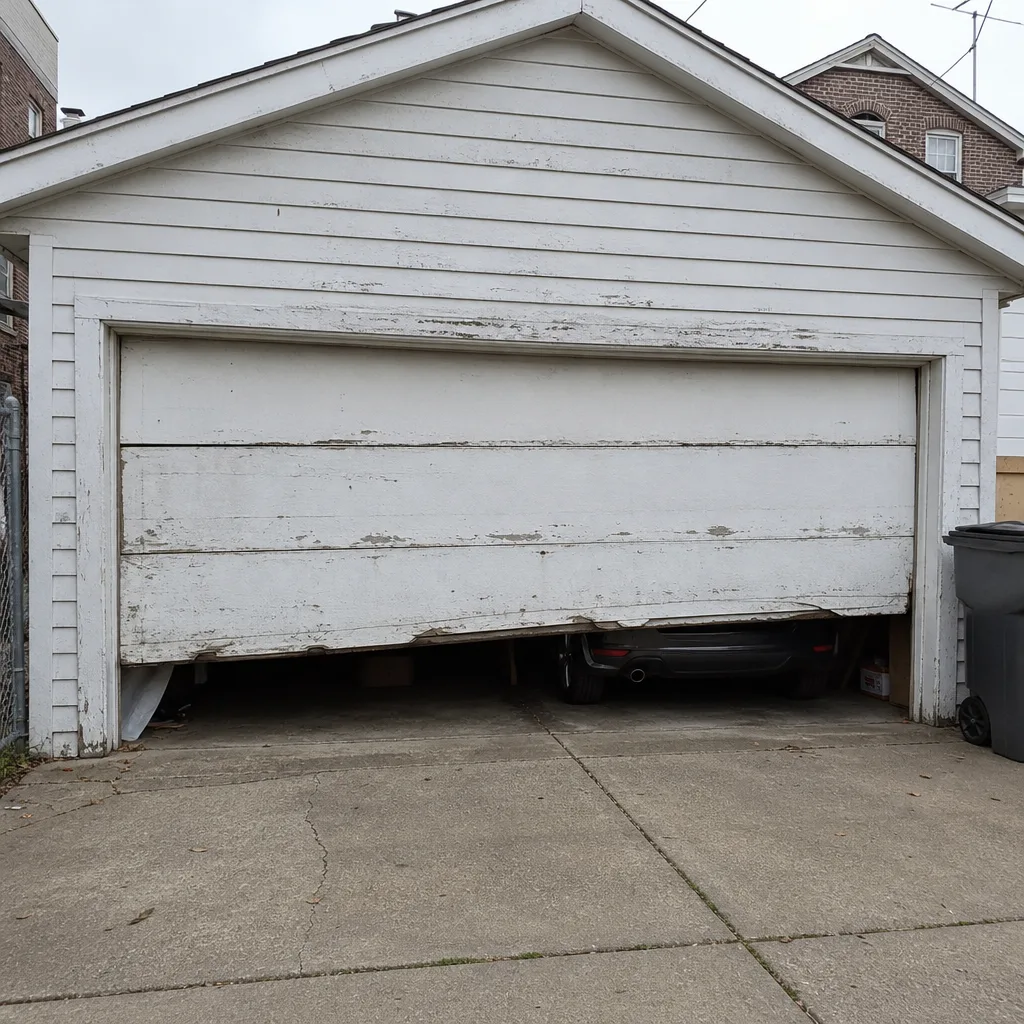 Before
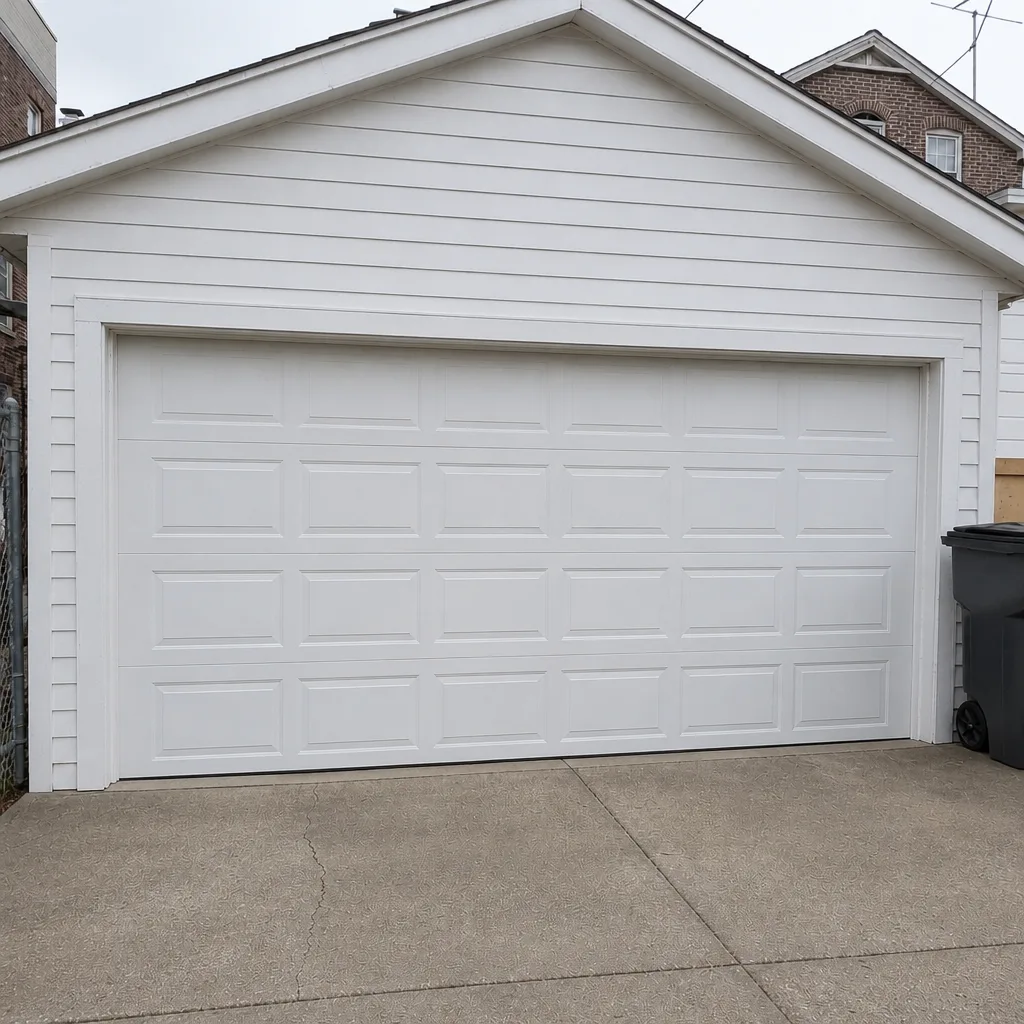 After
When to Call a Professional
Some garage door work is safe to handle yourself: a dead remote battery, a visual check of the rollers, or a loose bolt that’s easy to reach. Most of the work isn’t. Call a professional if you have a broken torsion spring, a snapped or frayed cable, a door that’s come off its track, an opener that runs without moving the door, or a door that reverses and won’t close. All of those involve either stored tension, electrical wiring, or a safety system, and all are jobs for a trained technician. In Belmont Cragin, the cold winters put extra strain on springs and cables, so a jammed or noisy door in January is often the first sign something’s about to fail. Garage Door Repair Belmont Cragin offers free estimates in Belmont Cragin – call (833) 468-5695 and we’ll give you a written price before any work starts.
Frequently Asked Questions
A new single-car garage door installed in Belmont Cragin typically runs $1,400 to $3,600, depending on door size, insulation, and finish. Older 8×7 and 9×7 openings that need custom-width panels add roughly $200 to $600 before labor. Double-car doors cost more. The written estimate sets the final price. Call (833) 468-5695 for a free estimate on your specific door.
Three reasons: city labor rates are higher, older housing stock means more custom-width doors and more adjustment work, and access on narrow gangways and shared alleys slows the job down. A suburban benchmark quote often doesn’t include any of that. Call (833) 468-5695 for a written price that reflects your actual opening and access.
For urgent repairs like a broken spring, a door off its track, or an opener that won’t run, we can often dispatch the same day – just call and we’ll tell you what’s available. For a new door installation, that work is measured, ordered, and scheduled around lead times. Call (833) 468-5695 to book a same-day repair or a free measurement for a new door.
No. The written estimate we give you before any work starts is the price you pay. If we find something we didn’t see during the initial assessment, we stop and talk to you before doing any extra work. You’ll never get an invoice bigger than the quote. Call (833) 468-5695 for a written estimate that’s free.
The local independent professional we connect you with is licensed and insured as Illinois requires, and our technicians have up to 10 years of experience with garage doors. Every part and tool is for garage doors only, so you’re getting a specialist, not a generalist. Call (833) 468-5695 to set up a free estimate.
Yes, a full door replacement in the City of Chicago requires a permit; a spring, cable, or opener repair does not. The permit fee should appear as a line item on your estimate, not folded into labor. Ask your contractor for the permit number when it’s pulled. Call (833) 468-5695 to discuss permits for your Belmont Cragin job.
The Bottom Line
The national average for a new garage door assumes a standard 16×7 door in a suburban market. In Belmont Cragin, a lot of the housing predates that standard, so custom-width panels push the price up $200 to $600 before labor. City labor rates run higher than suburban benchmarks, and the permit on a door replacement is a required line item. The genuine savings come from the opener brand, the finish, and the insulation level. Don’t cut cost on springs, cables, or safety sensors – those are the parts that fail and cost more. Get a written estimate before the work starts, and ask the contractor to show you the breakdown. If you want a written price for your door, call (833) 468-5695 for a free estimate.
Written by the team at Garage Door Repair Belmont Cragin.