Last updated November 21, 2026
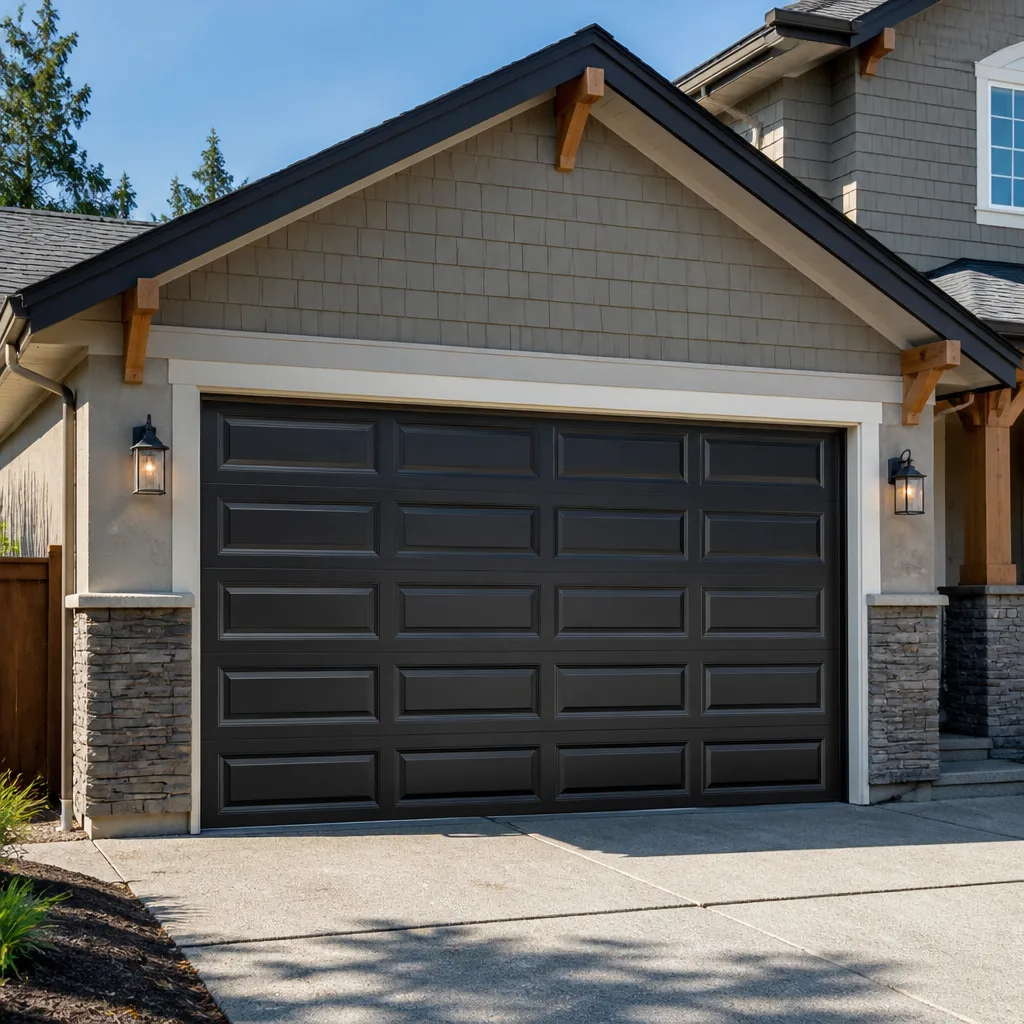 Raised-panel steel
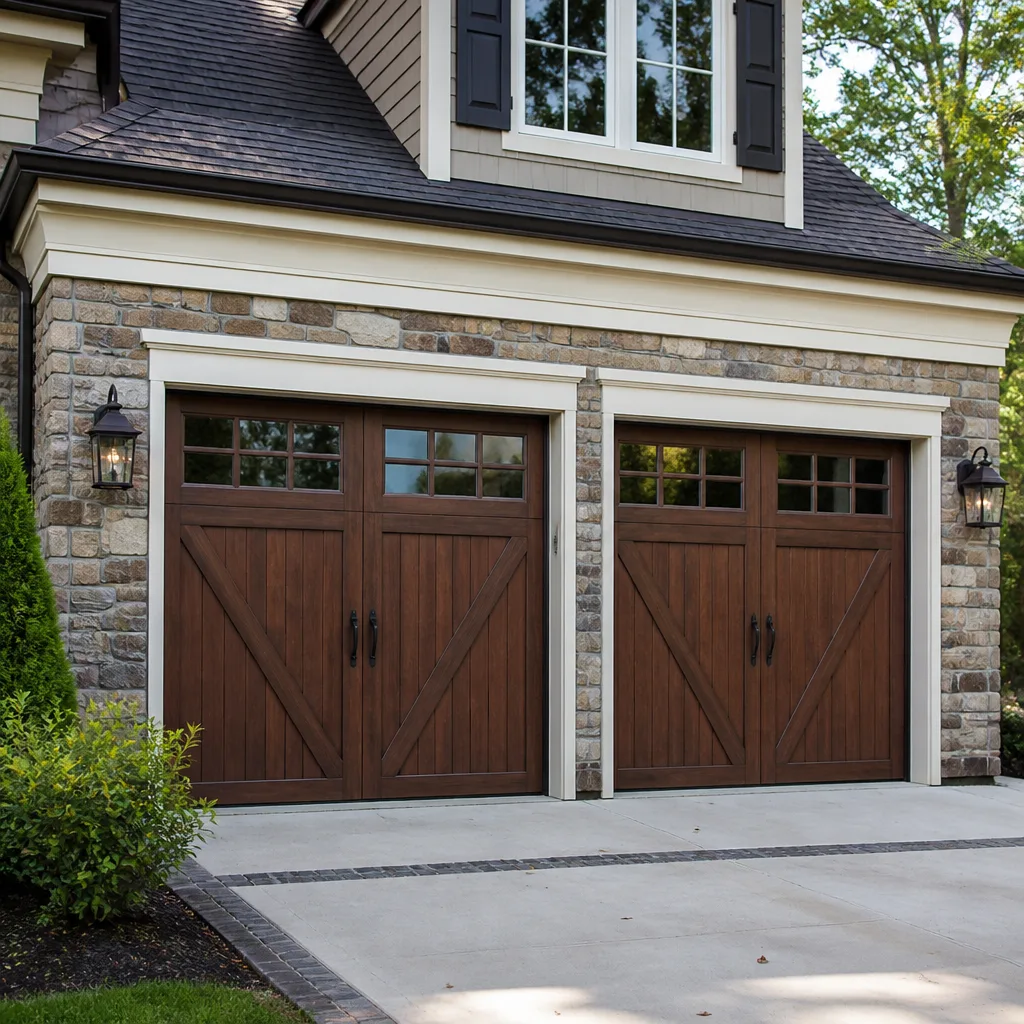 Carriage house
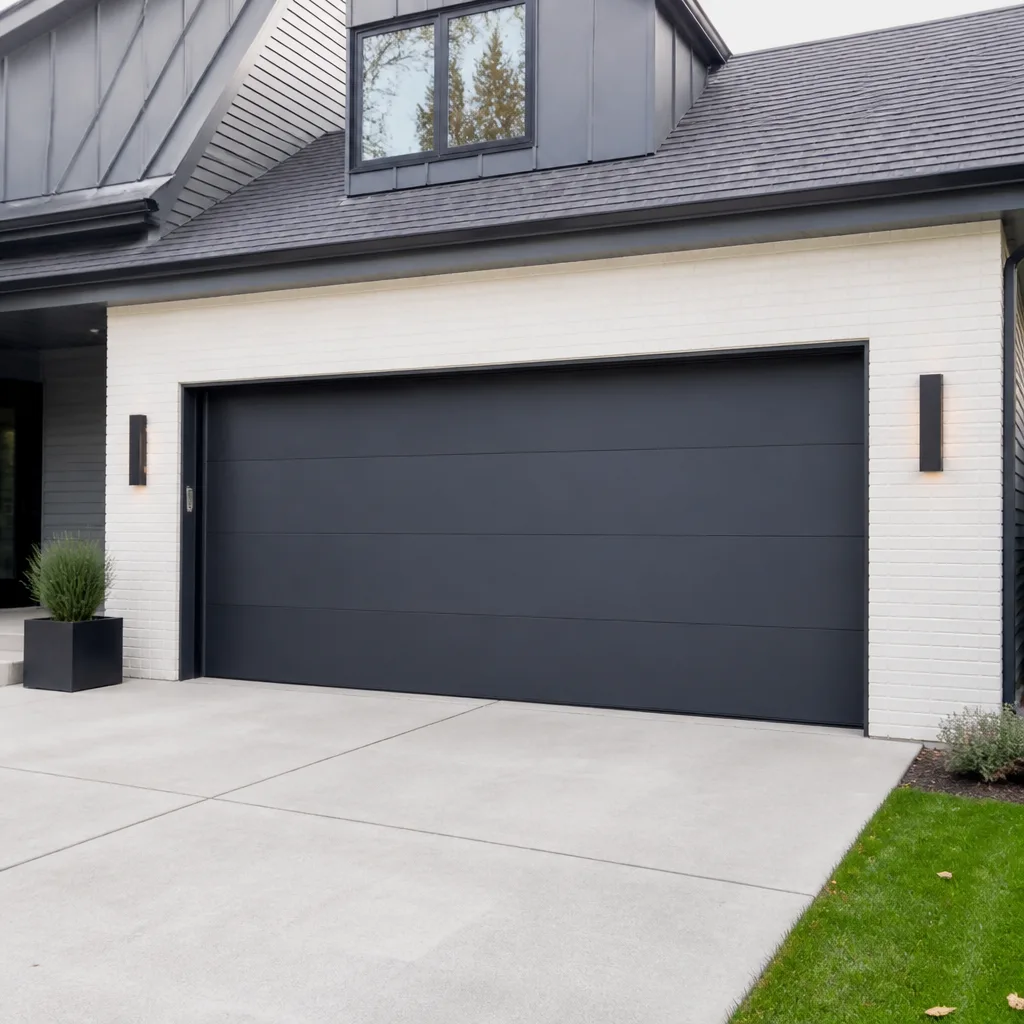 Modern flush
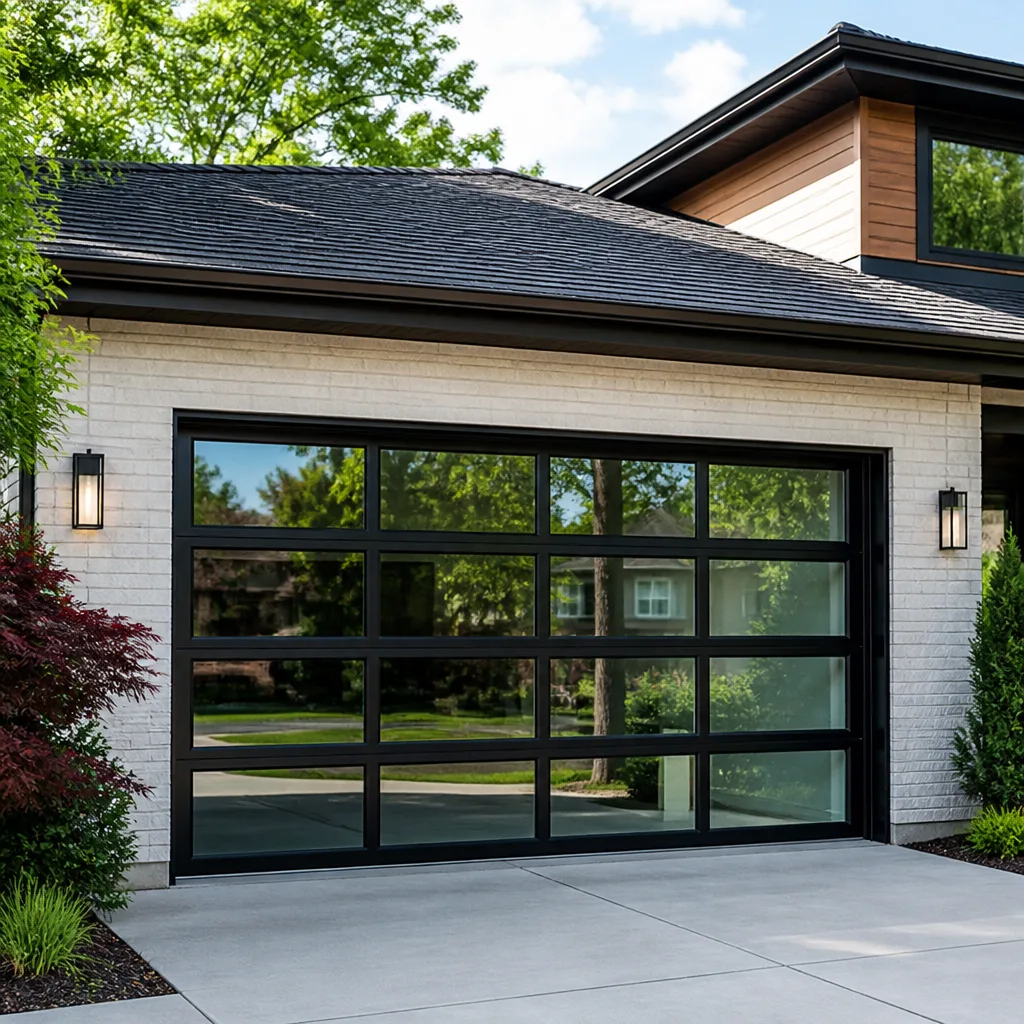 Full-view glass
 LiftMaster openers
 Chamberlain openers
Full 25-point door and opener safety check with every visit - springs, cables, rollers, tracks, and your LiftMaster or Chamberlain opener included
You get a price before we start. It does not change when the pro arrives.
Get your free estimateGarage Door Emergency Preparedness Guide for Belmont Cragin Homes
Forcing a door down when a cable is broken doesn’t close it. It derails the bottom panel from the track and turns a modest cable repair into a panel-and-track job that costs several times more. That single misunderstanding causes more expensive damage than the original failure did. Most garage door emergencies in Belmont Cragin fall into three scenarios: the door stuck open in winter, the door stuck closed with the car inside, and the door hit by a vehicle. Each one calls for a different first move, and doing the wrong thing turns a quick fix into a major repair. This guide walks through what to do in each case, what to avoid, and how to tell a genuine safety hazard from something that can safely wait until business hours.
Quick Answer
When a garage door fails in Belmont Cragin, the safest first move is almost always to stop touching it and look carefully before acting. If the door is stuck open, secure the opening and keep people away from the moving parts; if it’s stuck closed with a car inside, use the manual release only after making sure no one is under the door, and never force a door with a broken cable or spring. Any failure involving a snapped spring, a hanging cable, or a door that has come off its track is a genuine safety hazard that needs a professional, while a dead opener or a remote that won’t pair is usually safe to handle during normal business hours.
Styles & brands we work with
- Raised-panel steel
- Carriage house
- Modern flush
- Full-view glass
- LiftMaster openers
- Chamberlain openers
Table of Contents
- The Three Emergencies You’re Most Likely to Face
- The Door Is Stuck Open: What to Do First
- The Door Is Stuck Closed With Your Car Inside
- Vehicle Impact and Damaged Panels
- The Emergency Release Cord: Using It and Re-Engaging It Correctly
- How to Temporarily Secure an Open Garage Overnight
- Is It a Safety Hazard or Can It Wait?
- What to Have Ready Before You Call
The Three Emergencies You’re Most Likely to Face
Garage door failures tend to repeat in patterns, and in Belmont Cragin we see the same three scenarios again and again. The reason they matter is that each one demands a different response, and treating them the same way is how small problems grow. A door stuck open during a cold snap raises a security question. A door stuck closed with the car inside raises a logistics question. A door damaged by impact raises a structural question. Knowing which one you’re facing is the first step toward the right fix.
Belmont Cragin’s housing stock shapes how these emergencies play out. Many homes here have detached or attached garages built decades ago, with older openers that are more prone to stalling or reversing unexpectedly, and with torsion or extension springs that have already cycled tens of thousands of times. The neighborhood’s long, cold winters also put extra stress on the moving parts. When temperatures drop hard, metal contracts and older springs and cables become more brittle, and that’s when a door that worked fine yesterday suddenly won’t move at all.
Here’s the quick breakdown of the three, and how each one usually starts:
- Stuck open: the door rises but won’t come back down, or the opener runs without moving the door. Often tied to a broken spring, a snapped cable, or a misaligned safety sensor.
- Stuck closed: the door won’t budge from the down position, leaving the car trapped inside. Usually a dead opener, a tripped breaker, or a stripped gear.
- Impact damage: a vehicle has backed into or clipped the door, bending a panel or knocking the bottom section out of the track.
Each one has a distinct response, which we cover in detail next. The common thread is this: pause, assess, and don’t force anything. A careful pause of thirty seconds prevents most of the damage that happens in the heat of the moment. If you’re not sure which scenario you’re in, stop and call us rather than experiment, because a wrong move on a door under spring tension can make things worse fast.
The Door Is Stuck Open: What to Do First
A door stuck open in the middle of a Belmont Cragin winter creates an immediate security problem and a cold one. Your first instinct may be to pull the door down by hand. Don’t. If a spring or cable has failed, the door is heavier than it looks and can come down uncontrolled, and forcing it can bend panels or knock it off the track. A garage door that won’t stay up is almost always telling you that a spring has broken, and that’s a hazard to treat with caution.
What you should do instead, in order:
- Keep people and pets clear. Don’t stand under the door or let anyone walk through while it’s in an unstable position.
- Check the opener. If the opener runs but the door doesn’t move, listen for the motor. If it hums or clicks but nothing happens, the issue is mechanical. If it’s silent, check the wall switch and the breaker.
- Look before touching. See if the door is level. A door hanging crooked is a sign the spring or cable on one side has failed.
- Secure the opening temporarily if it’s late. We cover safe temporary securing below, including what a zip tie through the track actually accomplishes.
- Call for service. A door stuck open that won’t respond to the opener is a same-day repair in most cases.
One detail specific to older Belmont Cragin garages: a door that’s open a crack but won’t fully close is often a sensor problem, not a failure of the door itself. The safety sensors near the floor get knocked out of alignment by a broom handle, a bike wheel, or a garbage can, and the opener refuses to close the door as a safety measure. If the door runs down partway and reverses right back up, suspect the sensors before you suspect the springs, and check that both small lenses are pointed at each other and the indicator lights are steady.
The Door Is Stuck Closed With Your Car Inside
A door stuck closed with the car inside usually feels like a crisis because it interrupts your morning. It rarely is one. In the vast majority of cases, a door that won’t open is an opener problem, not a door problem, and the mechanical door itself is safe to move by hand once you’ve disconnected the opener. That’s the key thing most people get wrong: they assume the door is broken when it’s the operator that has failed.
Opening a stuck-closed door safely means working through this sequence:
- Try the wall switch and the remote. If neither works, the opener has lost power or failed internally.
- Check the breaker. Garage circuits trip more than people expect, especially in older homes with shared circuits. Reset once and try again.
- Look for the red emergency release cord. It hangs from the opener rail, and pulling it disconnects the door from the operator.
- Before pulling, make sure no one is standing under the door and that you’re ready to hold its weight. Then lift the door by hand. A well-balanced door lifts with modest effort. A door that won’t lift by hand has a spring or track problem and should not be forced.
- Move the car out once the door is open and propped securely, then close and secure things as best you can until a technician arrives.
For property managers handling multiple units, this is worth a quick note in your tenant instructions. The manual release procedure is the same for most LiftMaster and Chamberlain units common in Belmont Cragin garages, and giving tenants permission to pull the cord, with the “check under the door first” warning, prevents a lot of unnecessary emergency calls. If the opener keeps failing after a reset, that’s an opener repair, and it can usually be scheduled for the next business day. Leaving the door disconnected from the opener in the meantime is fine. Just re-engage it correctly, which we explain in the section below.
Vehicle Impact and Damaged Panels
Vehicle impact is the emergency that people mishandle most. When a car backs into a door, the immediate reaction is often to try to close it, or to bend the panel back by hand so it “looks okay.” Neither helps, and both can make it worse. A door that’s been hit has usually been pushed out of its track on at least one side, and the moment you run the opener, the motor keeps pushing a door that can’t travel straight, which can bend the track, strip the opener gear, and damage the panels further.
If your door has been hit, work through this in order:
- Don’t run the opener. Disconnect the door from the operator using the release cord and leave the door exactly as it sits.
- Check the track and the bottom panel. A panel pushed out of the track is a repair; a track bent out of alignment is a bigger one.
- Secure the opening if the door won’t close so the house stays closed up overnight.
- Photograph the damage for your records, especially if you’re filing with your insurer.
- Call for an assessment before you try to use the door again.
Impact damage is also where brand familiarity matters. Most doors in Belmont Cragin are panel systems from makers like Clopay, Amarr, or Wayne Dalton, and whether the damaged section can be replaced on its own or the whole door needs replacing depends on the model and whether replacement panels are still available. A technician who works with those brands regularly can tell you which path is realistic before you order anything. This is exactly the kind of job where we’d rather give you the honest answer than sell you a full door you don’t need. If you do need a replacement, that’s a scheduled project with a written measure and quote, not an overnight fix, and garage door installation is planned accordingly.
The Emergency Release Cord: Using It and Re-Engaging It Correctly
The red emergency release cord disconnects your door from the opener so you can operate it by hand. It’s the single most useful safety feature on a garage door, and the one people understand least. Pulling it is safe when done correctly. The problem is almost always what happens afterward: people leave the door disconnected, or they reconnect it wrong and the opener immediately yanks the door into a bind.
To use it safely:
- Make sure no one is standing in the door’s path before you pull.
- Pull straight down on the cord. You should feel the trolley separate from the door arm.
- Lift or lower the door by hand, slowly, keeping clear of the springs and cables.
To re-engage it correctly, the door needs to be in the down position, and the trolley needs to be lined up with the door’s carriage. Run the opener once (with the door disconnected) until the trolley clicks back into place, or move the door by hand until you feel the carriage catch. Then test the opener a single time while standing clear. If the door opens and closes fully without straining, you’re reconnected. If it jerks or stops, disconnect it again and call for service, because a door that won’t re-engage cleanly points to a mechanical problem that the opener can’t fix. This is a common enough issue in older Belmont Cragin garages, where the operator rail and carriage have worn over the years, that it’s worth checking before you assume the opener is dead.
How to Temporarily Secure an Open Garage Overnight
If your door won’t close and repair has to wait until morning, you need to secure the opening without making the door harder to fix. The goal is to keep the garage closed to weather and casual intrusion, not to force the door into a position it can’t safely hold. Never try to force a door down that has a broken spring or a snapped cable. A door in that condition can drop without warning.
Here’s how to secure an open garage for the night:
- Clear the opening. Move anything valuable, and anything a passerby could reach, out of the garage.
- Close the door as far as it will safely go by hand, if it will hold. If it drops on its own, don’t leave it partway.
- Use a zip tie through the track to keep the door from being lifted. Thread a heavy zip tie through one of the holes in the vertical track and around the door’s roller stem, snug it, and it will stop the door from being raised from outside. This doesn’t lock the door or repair anything, but it stops the door from being pushed up from the outside while you wait for service.
- Block the opening from the inside. A piece of plywood or a brace wedged across the opening adds a physical barrier.
- Turn on exterior lighting and let a neighbor know if you’ll be leaving the garage unattended.
What the zip tie accomplishes is modest but real: it makes the door harder to open from outside without the opener, and it costs a few cents. It is not a substitute for a repair, and it won’t stop someone determined to get in. Think of it as a stopgap so you can sleep, not a solution. In Belmont Cragin, where alleys and side streets see foot traffic late into the evening, that extra barrier is worth the two minutes.
Is It a Safety Hazard or Can It Wait?
The hardest call in a garage door emergency is deciding whether it’s a genuine hazard or just an inconvenience. Getting this wrong in either direction has a cost: panic calls for things that can wait, or a real hazard left to sit overnight. The dividing line is usually the door’s mechanical state, not how much noise it’s making or how urgent it feels.
These are genuine hazards that warrant a professional response and, if they happen after hours, a call to book service for the earliest opening:
- A snapped torsion or extension spring. The door is now held up by the opener alone, which isn’t designed for that load.
- A cable that has come off its drum or is hanging loose. A loose cable can whip and cause serious injury.
- A door that has come off its track and is hanging, even a little.
- A door that closes and reverses on its own, or closes on objects. Never stand under a door that isn’t behaving predictably.
These can usually wait for business hours:
- A dead opener with the door safely down and disconnected.
- A remote or keypad that won’t pair.
- A door that opens and closes but is noisy.
- Cosmetic panel damage with the door still functioning normally.
When in doubt, treat it as a hazard. Springs and cables are under extreme tension, and the failure mode when they let go is violent. Our technicians have up to 10 years of experience with exactly these conditions, and we’ll tell you honestly whether you’re looking at a same-day garage door repair or something that can wait for a scheduled visit.
What to Have Ready Before You Call
The single best thing you can do for an emergency is make the call fast and make it complete. A technician who knows what’s wrong before arriving can bring the right spring, cable, or opener part on the first trip. That shortens the wait and avoids a second visit. Having this information ready matters more than most homeowners realize, especially for a service in Belmont Cragin where the garage styles and door brands vary considerably from block to block.
Before you call, note down:
- The door’s brand and model, if you can find it. Look on the opener motor housing or inside the door’s edge. Brands like Craftsman, Wayne Dalton, and Clopay are common in this neighborhood, and knowing yours tells us what parts to bring.
- What the door is doing: stuck open, stuck closed, off-track, or making a specific noise.
- Whether the opener is running and whether the door responds.
- Whether you’ve pulled the emergency release cord, and whether it re-engaged.
- What you’ve already tried, including any breaker resets.
- The door’s size and material if you know it, and how many panels are damaged.
- Your address and the configuration of the garage (attached or detached, single or double door) so the technician arrives prepared.
If you don’t know the brand, that’s fine. Send a photo of the opener and the door if you can. A photo often tells a technician more than a description, and it helps us confirm whether the fix is a simple garage door opener repair or something on the door itself. The faster we can match what you have to what we carry, the faster you’re back to normal.
Common Mistakes to Avoid
- Forcing a door down with a broken cable. This is the biggest one. A door in that condition has lost its support, and forcing it derails the bottom panel from the track, turning a cable repair into a panel and track job. If it won’t go, stop.
- Running the opener repeatedly on a stuck door. The motor keeps pushing against a door that isn’t moving, which can strip the opener gear or burn out the motor. One test is enough; more makes it worse.
- Leaving the emergency release cord pulled. People pull it, get the car out, and forget to reconnect. The next person presses the opener and nothing happens, or the trolley catches unexpectedly. Always re-engage it.
- Using a screwdriver or pry bar to “fix” the track. Bending a track back by hand rarely gets it aligned, and a misaligned track chews up rollers and cables. Leave track alignment to a technician.
- Standing under a door that is behaving unpredictably. During a Belmont Cragin cold snap, an older spring can fail without warning, and the door drops. Never walk under a door that has reversed, hesitated, or made a loud bang.
- Assuming every stuck door is an opener problem. Many are, but a stuck door with a broken spring is a mechanical emergency, and treating it as an opener issue wastes time and risks injury.
- Trying to lubricate or adjust springs yourself. Springs and cables are under extreme tension. A slip can cause serious injury. This is one of the few jobs where the right answer is honestly “call someone.”
See the difference
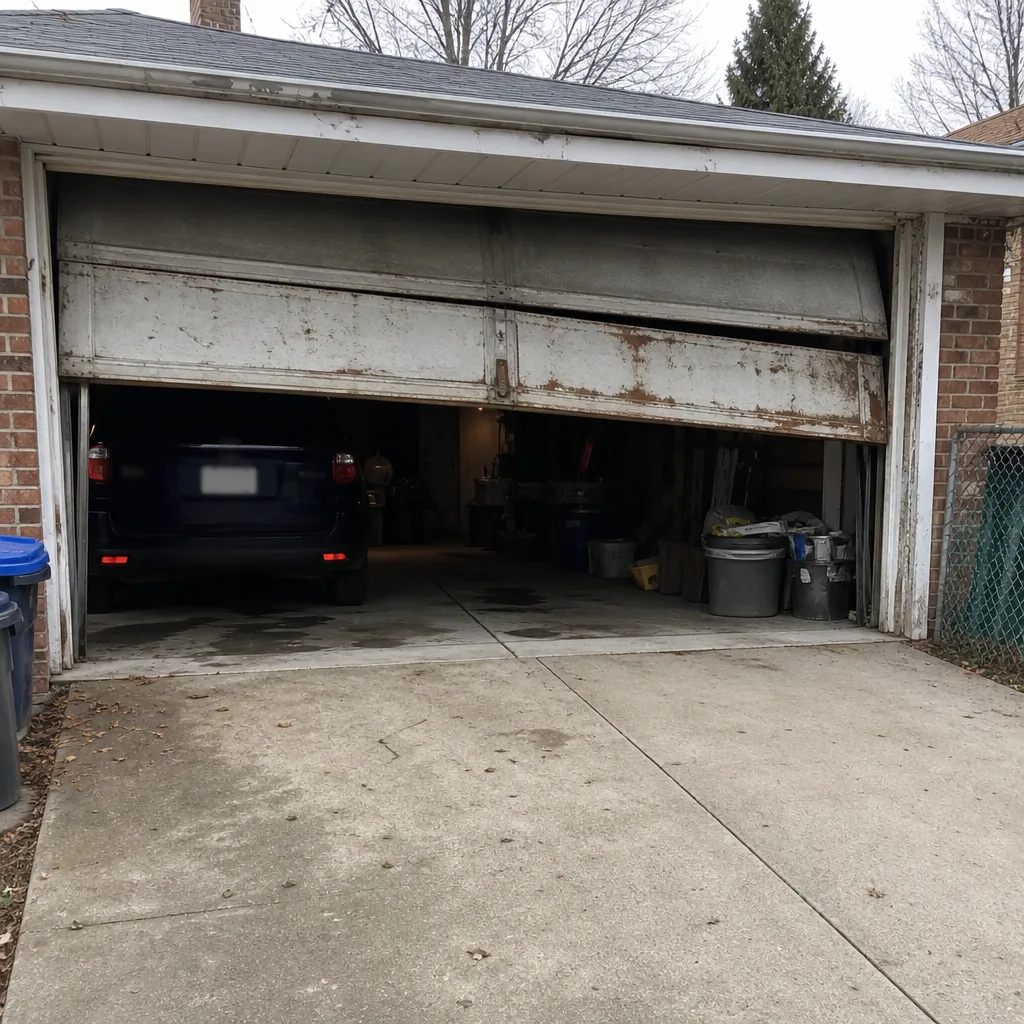 Before
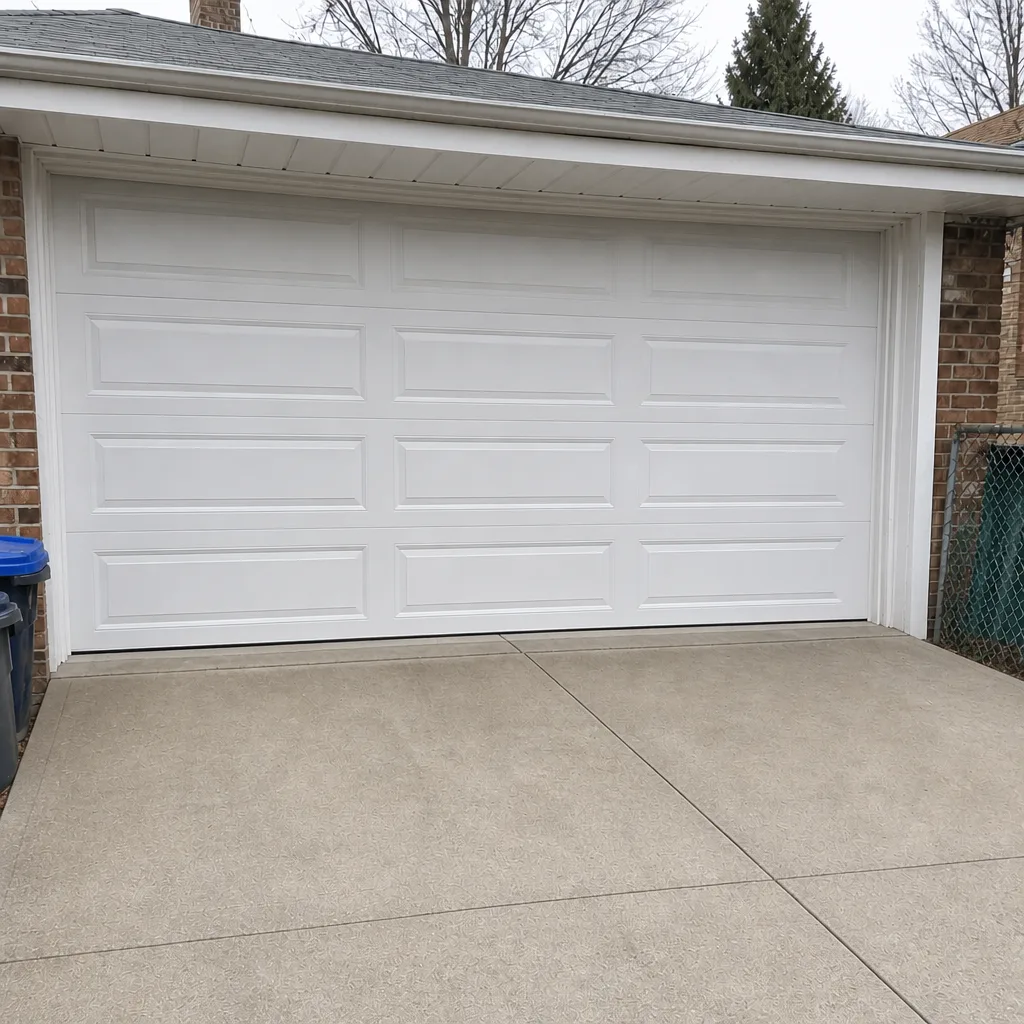 After
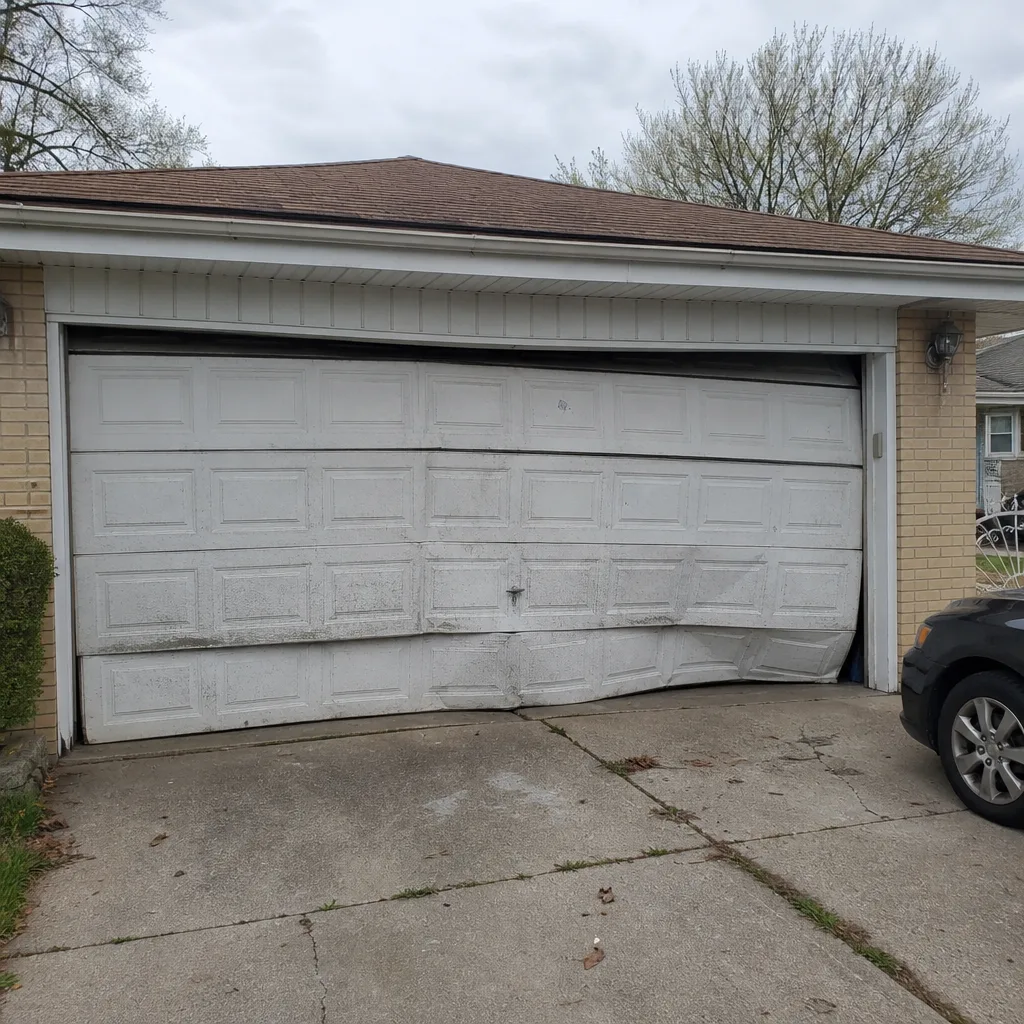 Before
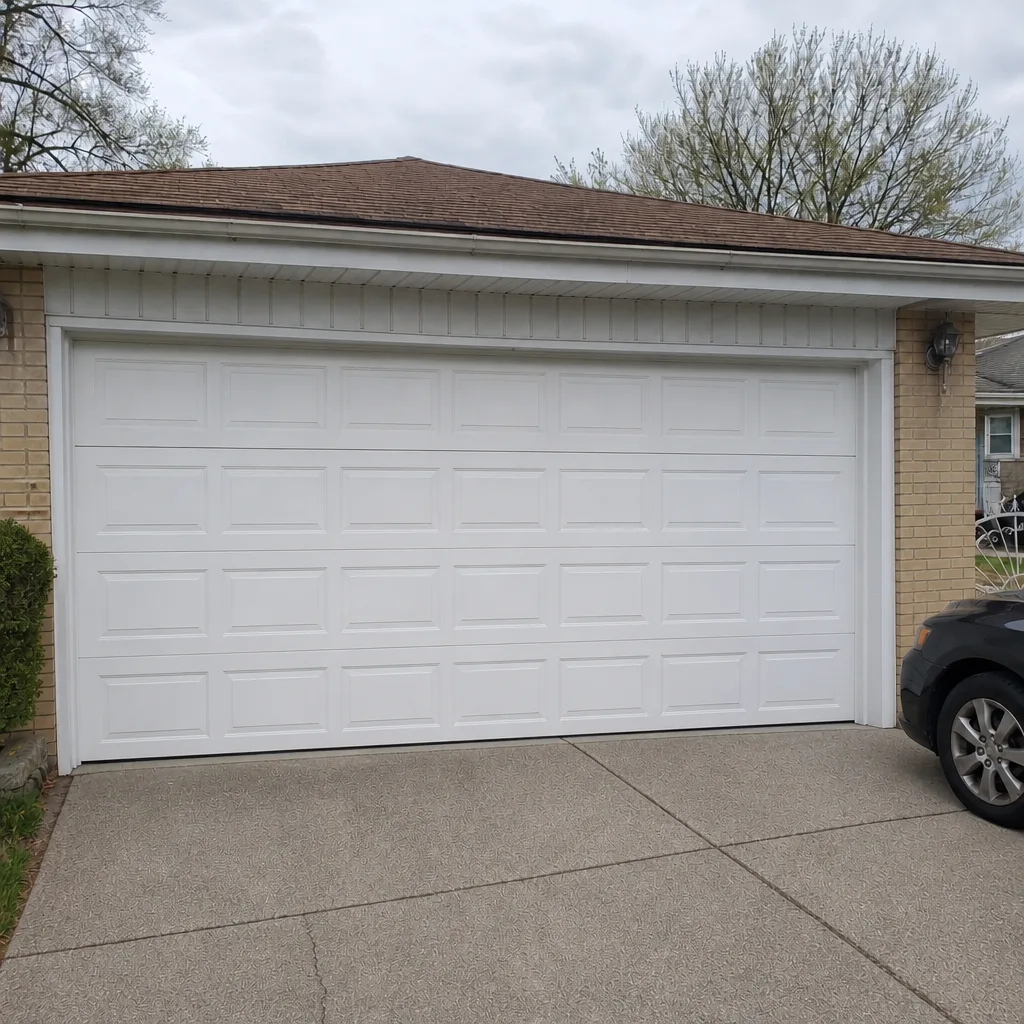 After
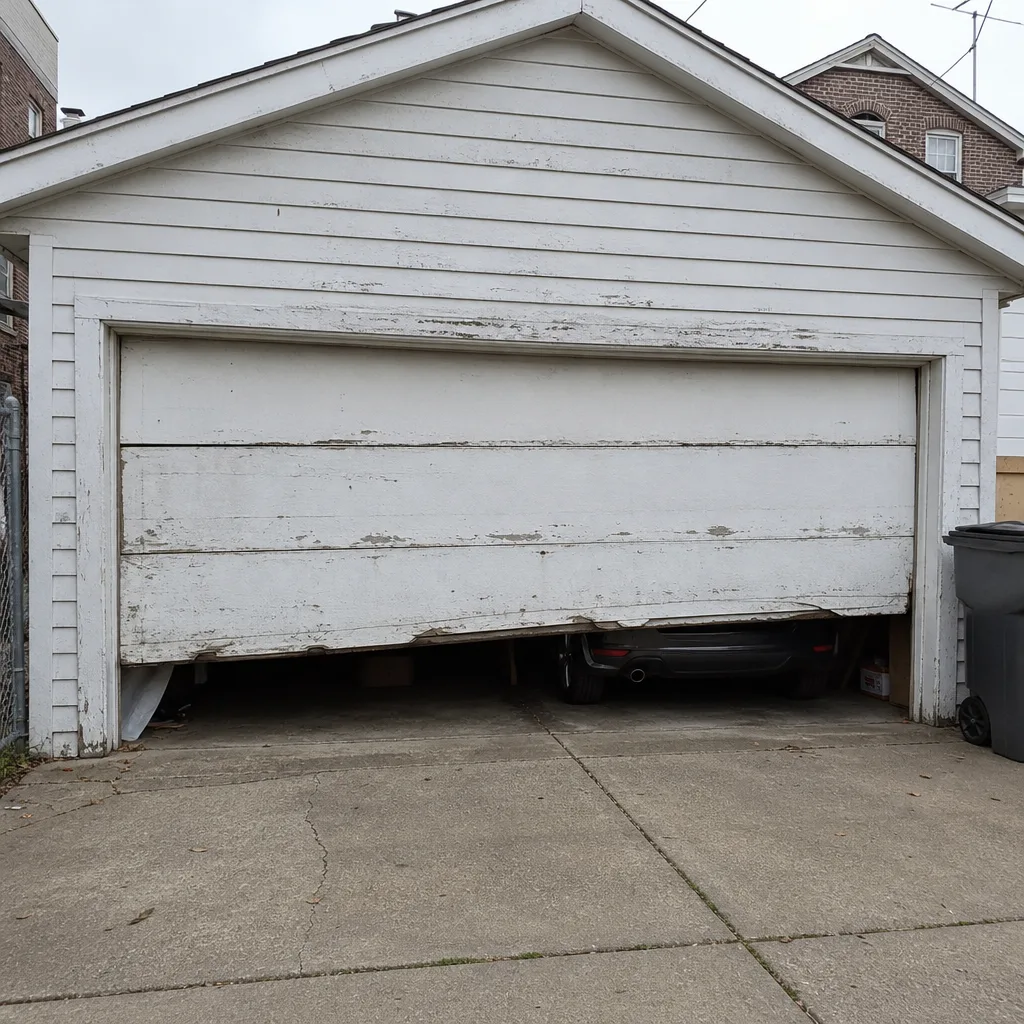 Before
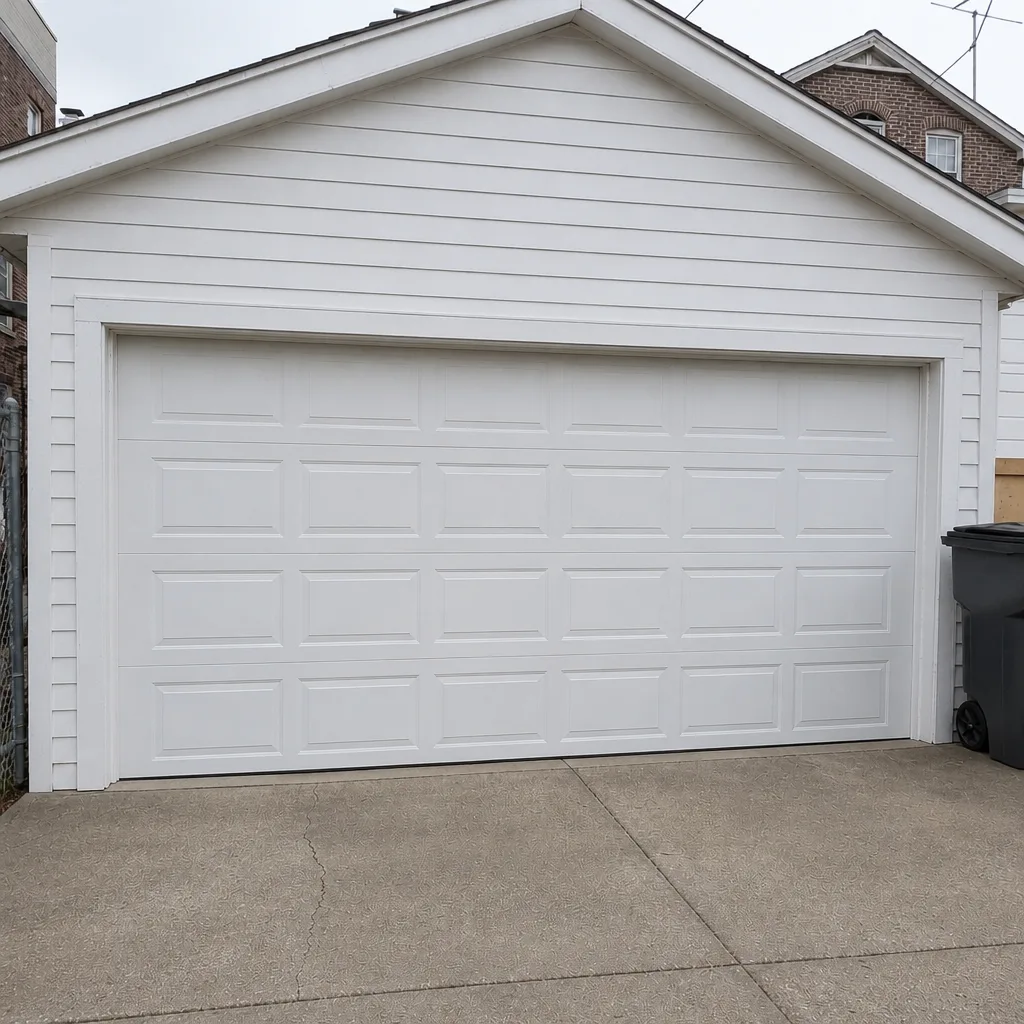 After
When to Call a Professional
Call a professional the moment the failure involves a spring, a cable, or a door off its track. These are the conditions where the door can fail suddenly and without warning, and where a wrong move turns a repair into a replacement. Call as well if your opener is running but the door isn’t, if the door reverses on its own, or if you can’t safely get the car out. For anything that’s simply inconvenient but not dangerous, such as a remote that won’t pair or cosmetic panel damage, a scheduled visit works fine. Garage Door Repair Belmont Cragin offers free estimates in Belmont Cragin; call (833) 468-5695. We work on the brand you already have, from openers to springs to full replacements, and our technicians have up to 10 years of experience with garage doors only.
Frequently Asked Questions
Keep people and pets clear of the door, don’t try to force it down, and check whether the opener is running without moving the door. If the door hangs crooked or won’t stay up, a spring or cable has likely failed, and that’s a call-a-professional situation. If you need to secure the opening overnight, a zip tie through the track and a barrier across the opening will hold until a technician arrives. Call (833) 468-5695 to book service – estimates are free.
Yes, as long as the door is mechanically sound. Pull the red emergency release cord to disconnect the door from the opener, make sure no one is under the door, and lift it slowly by hand. If it lifts with modest effort, the door is fine and the opener is the problem. If it won’t lift, stop and call, because a door that won’t move by hand has a spring or track issue that shouldn’t be forced. Call (833) 468-5695 for an exact quote.
With the door down, run the opener once while it’s disconnected until the trolley clicks back into the door’s carriage, then test the opener a single time from a safe distance. If the door opens and closes fully without straining, it’s reconnected. If it jerks or stops, disconnect it and call for service, since a clean re-engage shouldn’t fight the door. Call (833) 468-5695 with any questions.
Yes, treat a broken spring as an emergency at any time of year. In a Belmont Cragin winter, cold makes older springs and cables more brittle and the door is now held up by the opener alone, which isn’t built for that load, so the door can drop without warning. Keep clear of it, don’t run the opener, and call for service. Call (833) 468-5695 – estimates are free.
No. The price is quoted and agreed before any work starts, and the written estimate sets the final price. We diagnose first, explain the options, and you decide before we touch anything. A broken spring is quoted per spring, and most doors use a matched pair that’s replaced together, so you’ll see that on the estimate too. Call (833) 468-5695 for an exact quote.
For an active repair, yes, same-day service is the goal, and we offer a fast response on emergent issues. A door that’s off its track, has a broken spring, or won’t close is a genuine safety hazard, so that’s the priority. A full replacement is measured and scheduled rather than done same-day, so you’ll get a written price and a date instead. Call (833) 468-5695 for an exact quote.
The Bottom Line
Garage door emergencies in Belmont Cragin come down to three real scenarios, and the response differs for each. A door stuck open needs to be secured and kept clear, a door stuck closed with the car inside is usually an opener problem you can work around with the release cord, and impact damage needs to be left alone until a technician assesses it. The pattern that runs through all of them is this: pause, check before you touch, and don’t force anything under spring tension. When the failure involves a spring, a cable, or a door off its track, treat it as a safety hazard and call. For everything else, a scheduled visit is usually fine. Garage Door Repair Belmont Cragin covers the full range of garage door work, and we’ll give you a straight answer about what needs doing.
If your door has failed, or you’re not sure whether it’s safe to use, call Garage Door Repair Belmont Cragin at (833) 468-5695 for a free estimate. We work on the brand you already have, keep parts on hand rather than on order, and quote the price before any work starts.
Written by the team at Garage Door Repair Belmont Cragin.