Last updated November 21, 2026
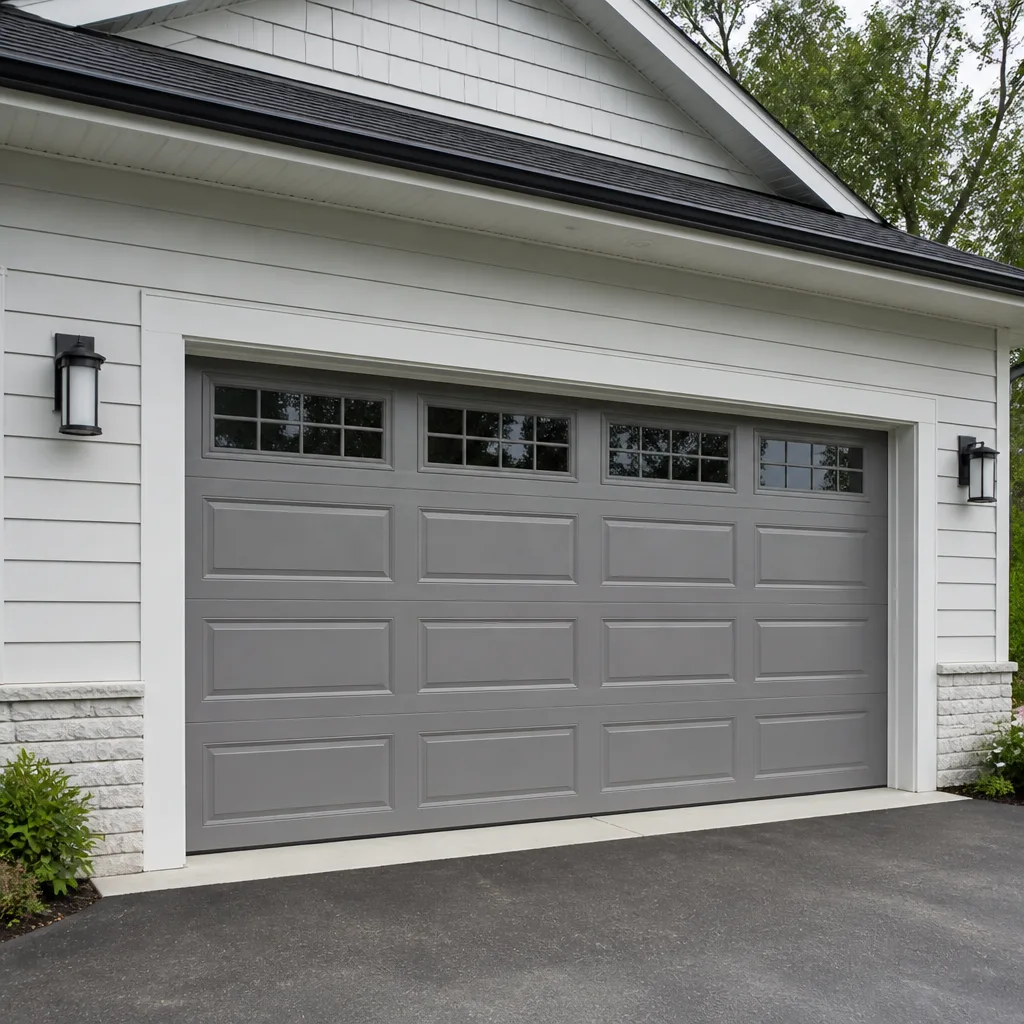
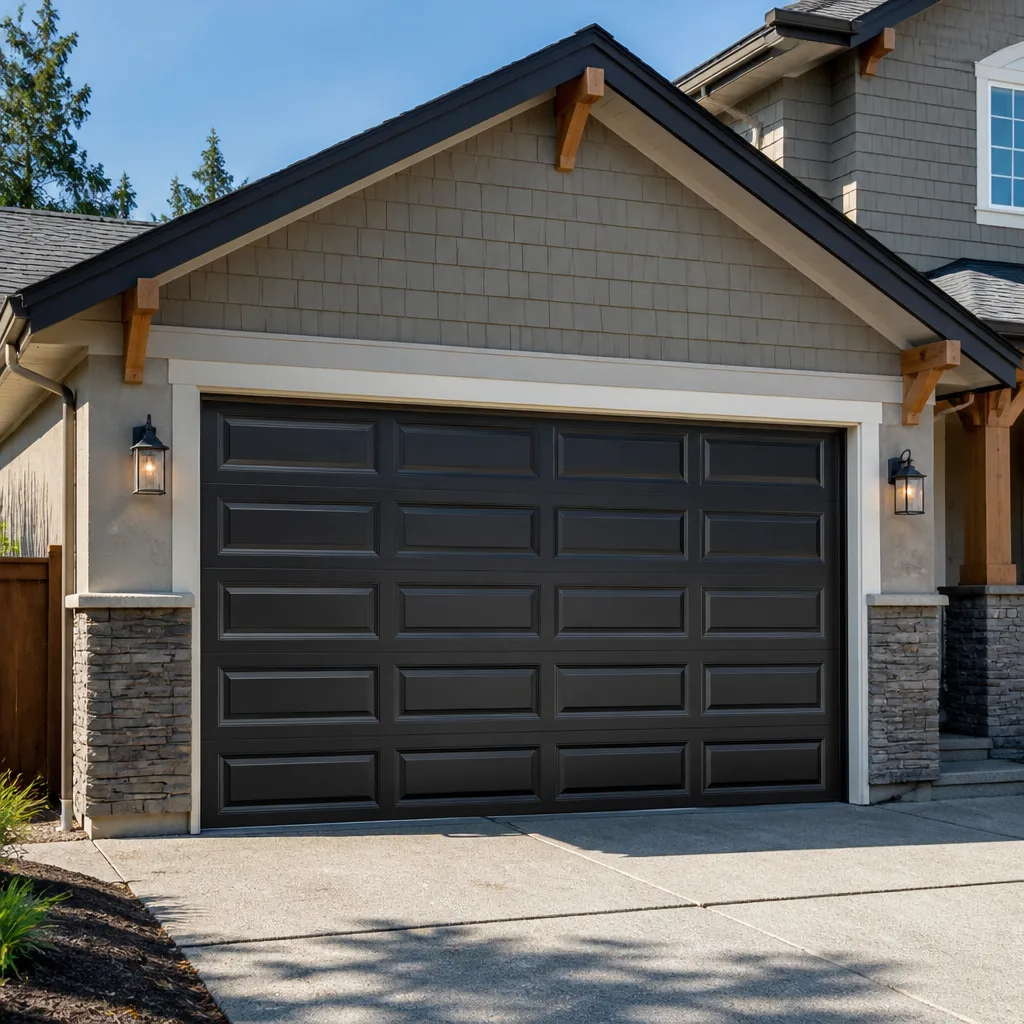 Raised-panel steel
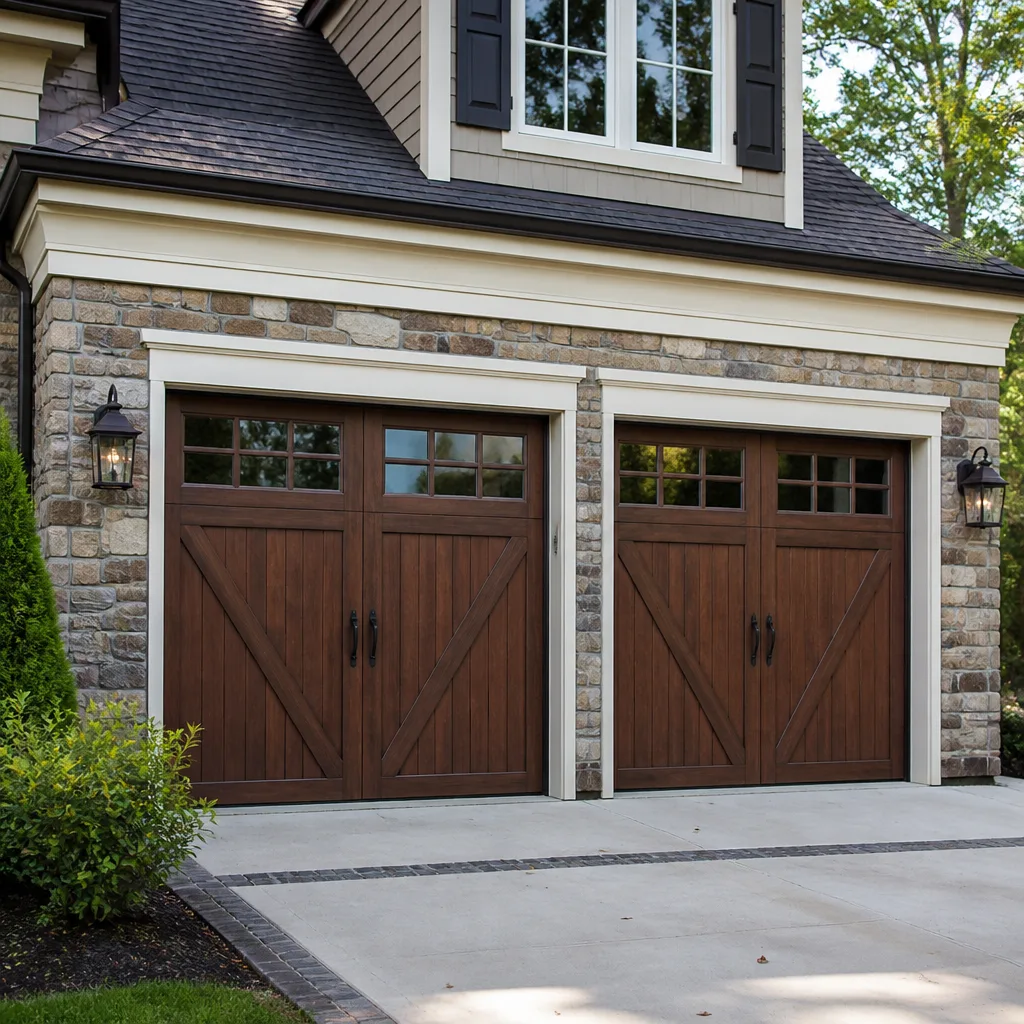 Carriage house
 Modern flush
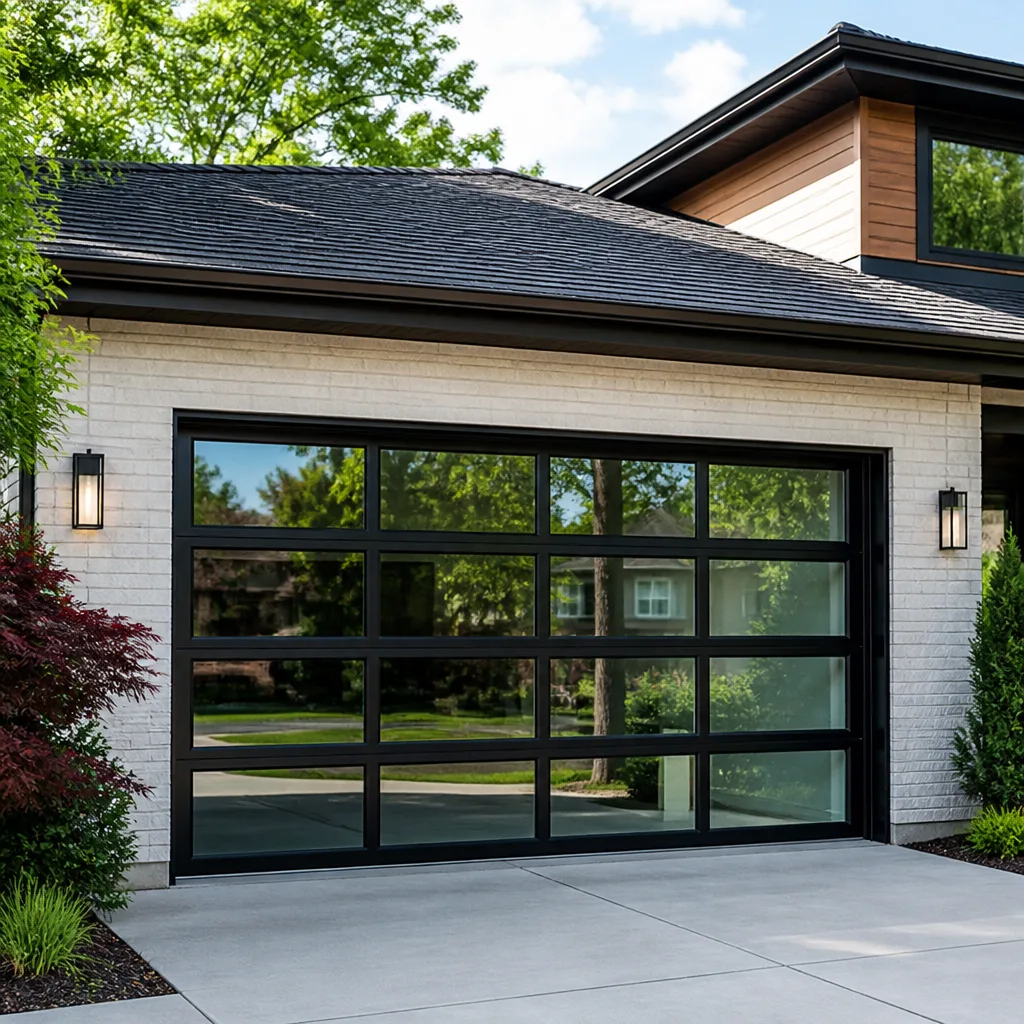 Full-view glass
 LiftMaster openers
 Chamberlain openers
Full 25-point door and opener safety check with every visit - springs, cables, rollers, tracks, and your LiftMaster or Chamberlain opener included
You get a price before we start. It does not change when the pro arrives.
Get your free estimateGarage Door Permits, Codes & Inspections in Belmont Cragin, IL: What You Need to Know
Here’s a fact that surprises most homeowners: a garage door that goes up and down smoothly is not the same as a garage door that was installed legally. In Belmont Cragin, plenty of doors get swapped out over a weekend with no paperwork filed, and the homeowner never thinks twice about it. That’s a mistake. A permit is often required for a full replacement, and skipping it can surface years later during a property sale. This guide walks through when Chicago actually requires a permit, what inspectors look at, how HOA rules stack on top of the city code, and how to fix unpermitted work. If you own a home in Belmont Cragin, this is worth twenty minutes of your time.
Quick Answer
A full garage door replacement in Belmont Cragin generally requires a building permit from the City of Chicago, while a like-for-like repair or a swap of the same size, model type and material in the same opening usually does not. Inspectors look at structural attachment, track anchoring, spring containment, electrical connections for the opener, and whether the door and opener meet current safety requirements. If work was done without a permit, it can usually be permitted retroactively through the city’s process. The written estimate is the price; permits pull separately unless your contractor agrees to handle them.
Styles & brands we work with
- Raised-panel steel
- Carriage house
- Modern flush
- Full-view glass
- LiftMaster openers
- Chamberlain openers
Table of Contents
- When does a garage door installation need a permit in Belmont Cragin?
- When a permit is not required: like-for-like swaps and repairs
- What a City of Chicago inspector actually checks
- How HOA rules overlay on top of city code
- The permit application process, start to finish
- How to permit work that was done without one
- How Belmont Cragin’s winters change the code conversation
- What happens at a real estate transaction
When does a garage door installation need a permit in Belmont Cragin?
A garage door replacement requires a City of Chicago building permit when the work changes the structural opening, the header, the track anchoring, the electrical circuit feeding the opener, or the size and material of the door. If any of those things change, plan on a permit. If a contractor tells you a permit is never needed for a garage door, that contractor is telling you something about how they work. Belmont Cragin has a lot of older homes with detached garages, and those structures are the ones most likely to need a permit because the framing is old and the anchoring often needs to change to support a modern door.
The City of Chicago Department of Buildings sets the threshold. In general terms, the department treats a garage door replacement like any other alteration to a structure: if the scope changes the building envelope, the structural framing, or the electrical system, a permit is required. A door that is the same nominal size, same material family, and hangs in the same tracks in the same opening usually falls under maintenance rather than alteration. That distinction is where most confusion lives.
Some examples of work that typically requires a permit:
- Replacing a single-car door with a double-car door, or changing the width or height of the opening.
- Switching from a wood door to a steel or aluminum door where the header load changes.
- Replacing a manual door with a door that has an electric opener, if a new circuit is added.
- Replacing or re-framing a header or the mounting surface for the springs and tracks.
- Adding a new garage door where there wasn’t one.
- Converting a carport into an enclosed garage.
If you are already planning a new door and want to think through the options, our garage door installation page walks through the sizes, materials and opener pairings we handle most often. We work on the brand you already have or the brand you want next, and we’ll tell you up front whether the scope you’re describing trips the permit threshold. That conversation is free and it takes five minutes.
When a permit is not required: like-for-like swaps and repairs
A like-for-like swap does not usually need a permit. That means same opening, same size, same material, same track layout, same spring configuration, and no change to the electrical circuit. If you’re replacing a Clopay steel door with another Clopay steel door of the same dimensions in the same opening, the work is typically maintenance. If you’re changing from a Wayne Dalton to an Amarr, that’s usually still maintenance as long as nothing structural moves. The moment you start cutting into the header, moving tracks, or running new wire, the permit question changes.
Spring replacement, opener repair, panel replacement, cable replacement and roller replacement are repair work. They don’t need a permit. They do need a trained technician, especially springs and cables. Torsion springs are under extreme tension and can cause serious injury if handled without the right tools and knowledge. We handle spring repair as a core service, and we never suggest a homeowner touch one. The same goes for opener electrical work: the low-voltage side of the opener is one thing, but the circuit feeding it is not a place for a homeowner to experiment. If electrical work is part of the job, it needs to be done to code by someone qualified.
The table below sums up what we typically see in Belmont Cragin:
- Spring replacement: no permit.
- Opener replacement, same circuit: no permit.
- Opener replacement with new wiring or a new circuit: permit for the electrical work.
- Panel replacement, same material: no permit.
- Full door replacement, same size and material, same tracks: usually no permit, but verify with the Department of Buildings.
- Full door replacement, size or material change: permit.
- Header, track anchoring, or framing changes: permit.
- New garage door where none existed: permit.
The safest rule is to ask. If you’re not sure whether your specific job needs a permit, call the City of Chicago Department of Buildings directly, or ask us and we’ll walk through the scope with you. Nobody should be guessing on this. When you’re ready for the actual repair, our garage door repair team handles the work without the guesswork.
What a City of Chicago inspector actually checks
Garage door inspections are not a mystery. Inspectors look at a specific set of items tied to life safety and structural integrity. They are not there to grade the aesthetics of your new door. They are there to make sure it isn’t going to fall on someone.
The list below reflects what we consistently see inspectors focus on:
- Track anchoring and attachment. The tracks must be fastened securely to the framing and the framing must be sound. Inspectors check for loose bolts, missing fasteners, and tracks that have pulled away from the wall.
- Spring containment and header mounting. Torsion springs must be mounted to a sound header with the correct hardware. If there is any question about the mounting surface, expect a correction.
- Safety features on the opener. Modern openers need a working photo-eye system and, depending on the model, a pressure-safety reverse function. An inspector will test these.
- Electrical connection. If the circuit was changed, the inspector checks that the wiring is properly run, protected, and terminated.
- Door travel and balance. The door should open and close fully without binding and should stay in place when stopped halfway. A door that slams down or drifts is a fail.
- Structural changes. If a header was modified or framing was added, the inspector reviews it as structural work, not as a door install.
The most common failure we see in Belmont Cragin has nothing to do with the door. It’s the opener’s photo-eyes. They get knocked out of alignment, mounted too high or too low, or the wiring gets run carelessly. Small thing, big delay. We test all of it before the inspection is scheduled so there isn’t a second visit. Our technicians have up to 10 years of experience with inspections, and the checklist we run is built from what actually gets flagged. If your opener is acting up before an inspection, our garage door opener repair team can get it sorted before the inspector arrives.
How HOA rules overlay on top of city code
In Belmont Cragin, HOA rules sit on top of city code, not underneath it. That means you can be fully permitted and approved by the city and still get a violation notice from your association because of the door’s color, style, material, or window pattern. The city has no opinion on whether your door matches the one three doors down. Your HOA absolutely does. The stricter rule wins, and the HOA is usually the stricter rule.
Some HOAs govern the visible door face only. Others go further and specify the panel style, window configuration, and even the finish. A few will want approval on the opener if it’s visible from outside, though that’s rare. If you live in a development with an association, read the architectural guidelines before you order anything. Getting approval after the door is on the truck is a bad place to be.
Here is the order that keeps you out of trouble:
- Read the HOA’s architectural guidelines. If you don’t have them, request them in writing from the association.
- Confirm with the City of Chicago Department of Buildings whether your scope requires a building permit.
- Submit the HOA application, if required, before ordering the door.
- Once both approvals are in hand, schedule the install.
- Keep copies of both the HOA approval and the city permit in your property records.
Brands that show up most often in HOA guidelines are the clean-lined steel doors from Clopay and Amarr, because they’re available in standard color palettes that most associations accept. We work with both, and we can usually tell you off the top of our head which panel styles and finishes are easiest to get approved. If your HOA is silent on garage doors, the city code is the only rule that applies, and you’re in simpler territory.
The permit application process, start to finish
Chicago’s permit process is workable. It isn’t fast, and it isn’t free, but it isn’t the nightmare some contractors describe. For a straightforward garage door replacement, the process typically takes a few weeks from submission to issued permit, sometimes longer during busy season. Permit fees are set by the Department of Buildings based on the scope and valuation of the work, and they change, so call the department or check the current fee schedule before you budget. We don’t quote permit fees in our estimates because the city sets them, not us.
The documentation you should expect from a contractor handling the permit for you:
- A written scope of work describing the door, opener, size, material, and any structural or electrical changes.
- Product specifications or cut sheets for the door and opener.
- A site drawing or photo of the existing opening and framing, if the city asks for it.
- Proof of the contractor’s registration and insurance, as required for permit pulling in Chicago.
- The permit application itself, signed by the property owner or authorized agent.
If your contractor can’t produce those documents, that’s a signal. A properly run garage door company in Belmont Cragin will have an organized permit package ready to go. We don’t pull permits on every job because most jobs don’t need one, but when they do, we hand the homeowner a clear document list up front and we don’t start work until the permit is issued. The written estimate is the price for the work; the permit fee is separate and passed through at cost. That’s the arrangement we recommend you insist on with any contractor.
If you want to think through the whole install process before you start, our garage door installation page lays out what a scheduled install actually looks like. If you’re not sure what your job needs yet, our main Garage Door Repair Belmont Cragin page is a good starting point.
How to permit work that was done without one
Retroactive permitting is more common than most homeowners realize, and it’s easier than the internet makes it sound. Chicago has a process for bringing unpermitted work into compliance. It usually involves submitting a permit application that describes the work as it was actually done, providing documentation and photos of the existing installation, and requesting an inspection. If the installation meets current code, the permit is issued and the inspection is scheduled. If it doesn’t, the inspector will list corrections, and those corrections have to be completed before the permit is signed off.
The steps look like this:
- Call the Department of Buildings and explain that you have unpermitted garage door work you want to bring into compliance.
- Gather documentation of the existing installation, including photos and any product information you can find.
- Submit the permit application, marked as work already performed.
- Schedule the inspection once the permit is issued.
- Complete any corrections the inspector identifies. Common corrections are photo-eye repair, missing fasteners, or a poorly anchored track.
- Get the final inspection signed off and keep the documentation with your property records.
A few things about retroactive permits that homeowners don’t always hear. First, you may pay a fee that’s higher than a standard permit fee, because the city has to inspect work it didn’t see installed. Second, if the correction list is short, the fix is usually quick. Third, and most important, the process almost always costs less than the deduction a buyer’s attorney would negotiate at sale. If you bought a home in Belmont Cragin with a door that was never permitted, you’re not stuck. The path forward is just paperwork.
How Belmont Cragin’s winters change the code conversation
Chicago winters put a beating on garage doors, and that beating is where a lot of code issues actually surface. In our experience, most of the door problems we see in Belmont Cragin show up after the first hard freeze, not during install. The wood framing around older detached garages dries and shrinks over winter, then swells again in spring. Tracks shift. Fasteners pull. Springs fatigue from the constant temperature swing. A door that passed inspection in October can show a loose anchor by March.
That cycle is worth knowing because it changes how you think about permits and inspections. A permit inspection is a snapshot. It tells you the door was installed correctly on the day it was inspected. It does not tell you the door will be correct two winters later. If your garage is detached and unheated, as most in Belmont Cragin are, you’ll want to check the track anchoring and the spring mounting once a year. We tell homeowners to look at the header hardware and the wall attachment at the start of winter and again in spring. Both are visual checks; you don’t need to touch anything under tension.
The basement flooding angle matters too. Belmont Cragin has a mix of older housing stock and low-lying blocks, and a wet spring can affect the bottom of a garage door frame faster than anything else. Swollen wood at the sill can lift track anchors. Rotted framing at the header is a code issue, not just a comfort issue, because the spring load is fastened to that header. If the header is soft, the permit conversation changes because the repair becomes structural. We look for that before we quote a replacement, since installing a new door over failing framing just moves the problem forward.
What happens at a real estate transaction
Unpermitted garage door work rarely causes a problem when it’s done. It causes a problem when you sell. A buyer’s attorney will pull the city’s permit records as part of due diligence, and if there’s a recent garage door replacement on the disclosure with no permit on file, that’s a question that has to be answered. Sometimes it’s a small negotiation. Sometimes it delays closing. Either way, it costs more than the permit would have.
The buyer’s attorney doesn’t have to prove the work was bad. They just have to point out that the work is undocumented. That creates leverage in a negotiation, and sellers usually give something up to make it go away. The number is often well above what a permit would have cost, and it can come with a request that the work be inspected at the seller’s expense. In our experience, homeowners who pull the permit up front never have this conversation. The ones who skipped it and are selling in Belmont Cragin often do.
If you’re planning to sell in the next few years and you’ve had garage door work done, it’s worth checking. Call the Department of Buildings and ask what permits are on file for your address. If there’s nothing and the work was substantive, get it permitted now while you have time to correct any issues. If the retrofit is clean, you walk into the sale with a clean record and nothing to negotiate. That is worth a lot more than the paperwork.
Common Mistakes to Avoid
- Assuming a new door never needs a permit. If the size, material, header, or electrical circuit changes, the permit question is live. Assume it’s needed and verify, not the other way around.
- Skipping the HOA approval. The city can approve your door and your association can still fine you for the wrong color. Read the guidelines before you order.
- Letting a contractor hand off the permit to you at the last minute. A properly run garage door company brings the documentation list up front. If the paperwork shows up on install day, ask why.
- Ignoring track anchoring on an older detached garage. Belmont Cragin has a lot of old wood-frame garages, and the wall attachment is where a new door’s weight gets transferred. If the framing is soft, the job needs more than a door.
- Trusting a photo-eye that “looks fine.” It’s the most common inspection fail, and it’s also the safety feature that protects a child or pet in the driveway. Test it monthly.
- Putting off a retrofit until the sale. Permitting unpermitted work is easier when there isn’t a closing date on the calendar. Do it while you have room to breathe.
- Hiring a generalist for a permit-required job. A handyman can’t pull a permit he isn’t registered to pull, and the correction list from an inspector will reflect that. Use a garage-door specialist for work that has an inspection attached to it.
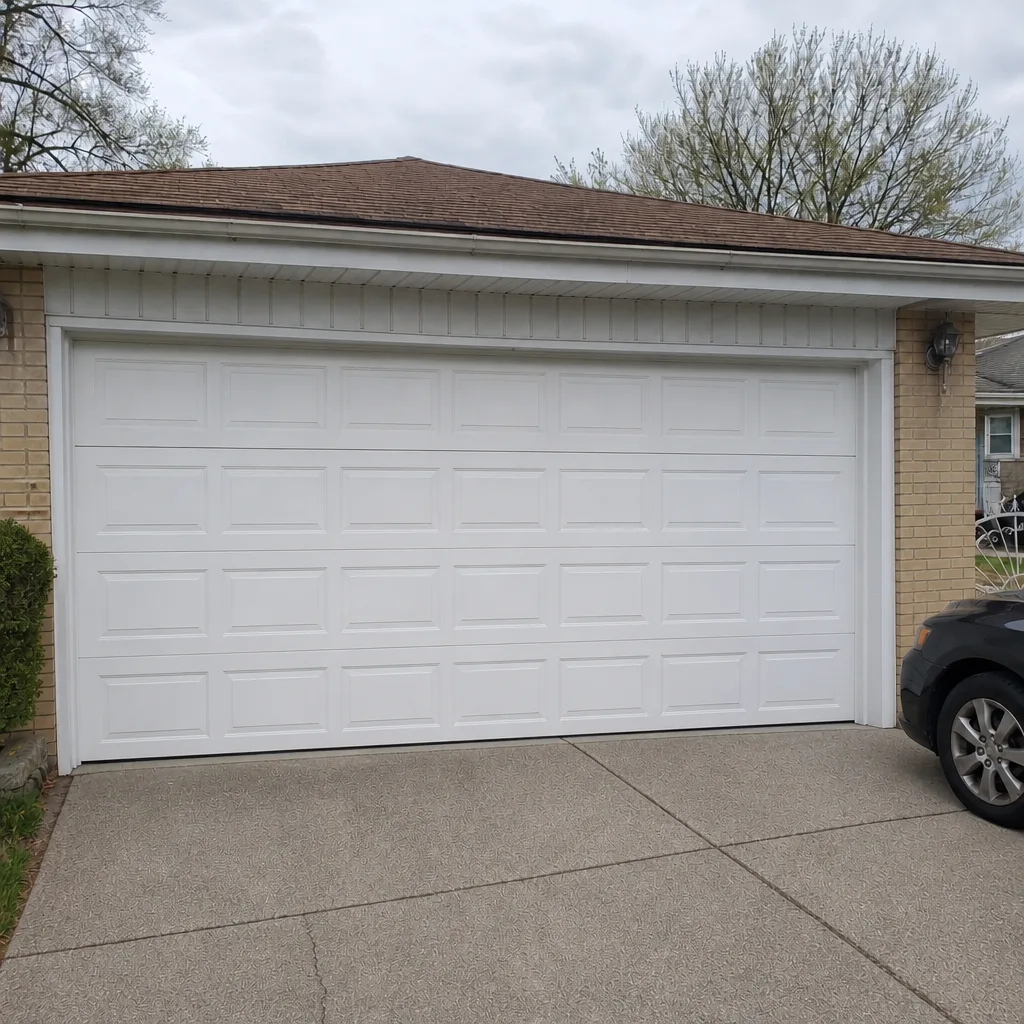
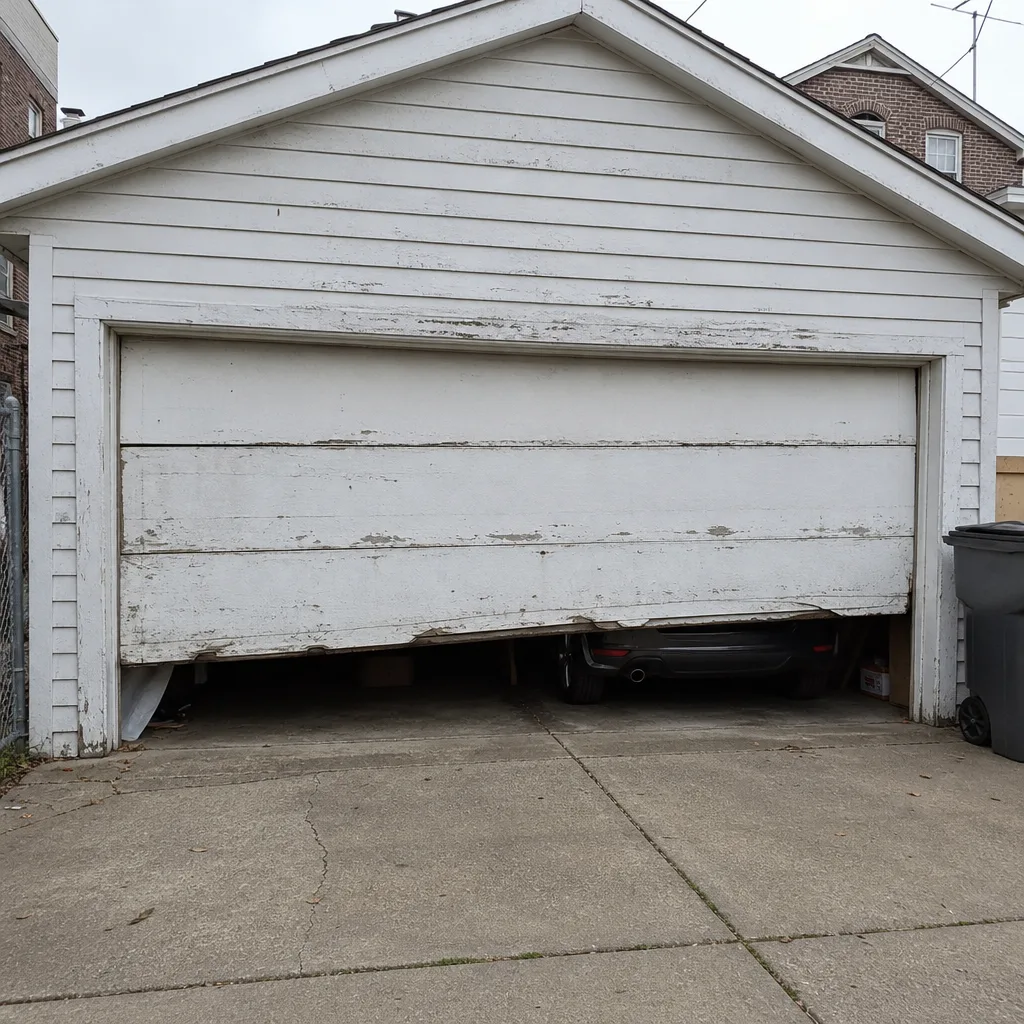
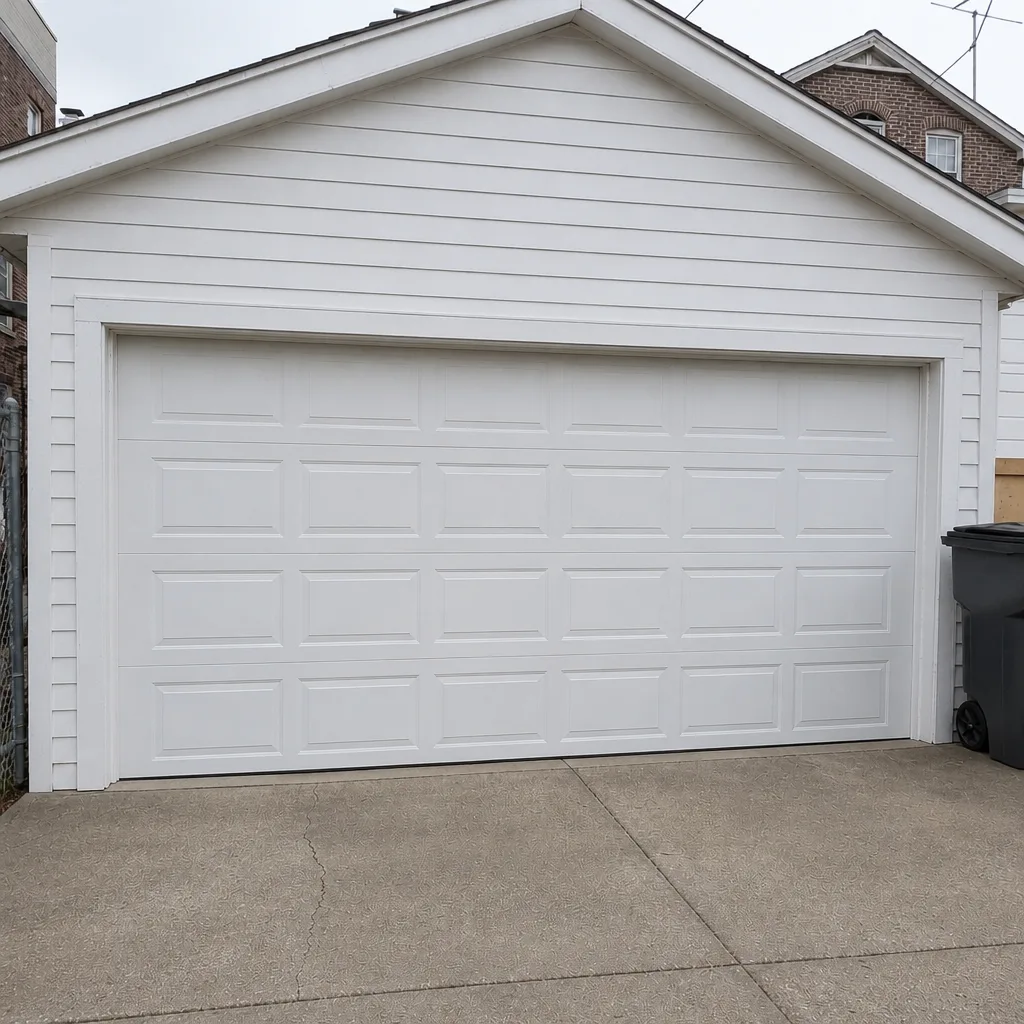
See the difference
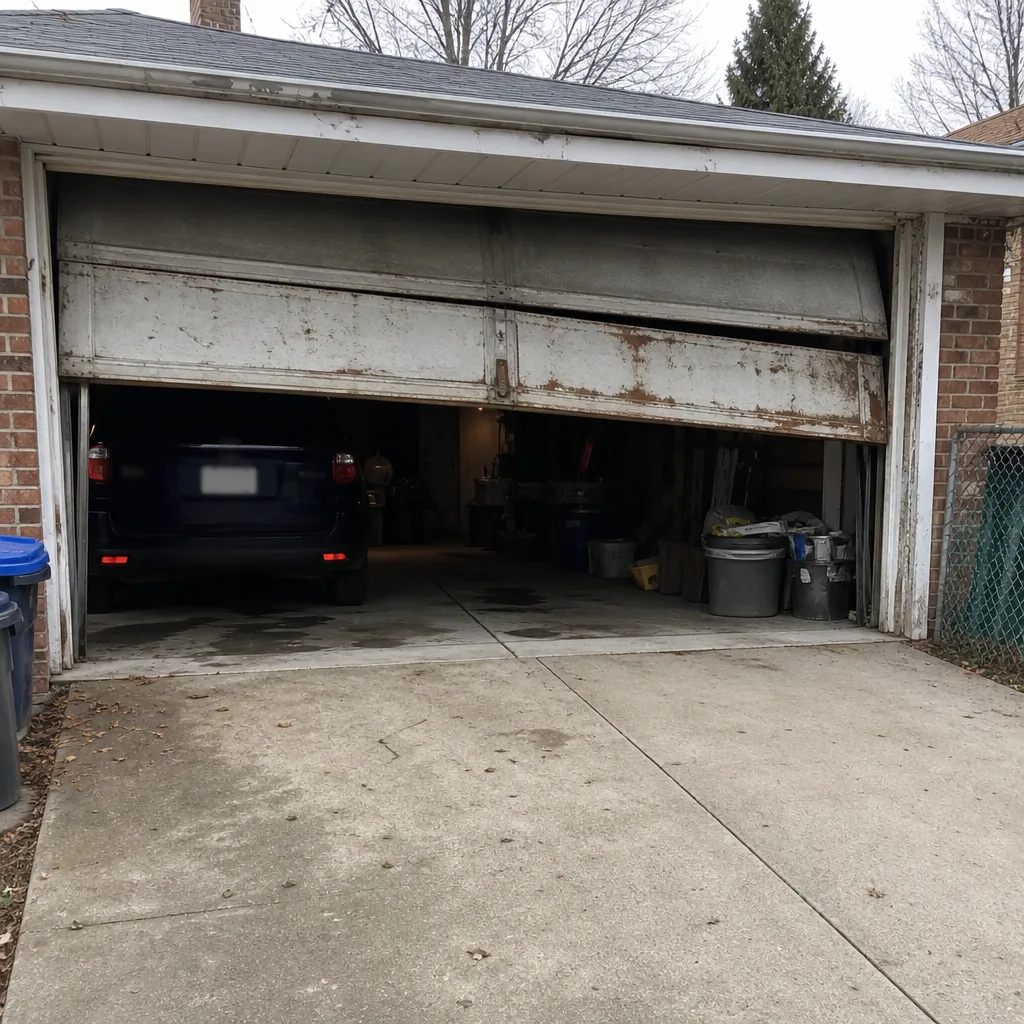 Before
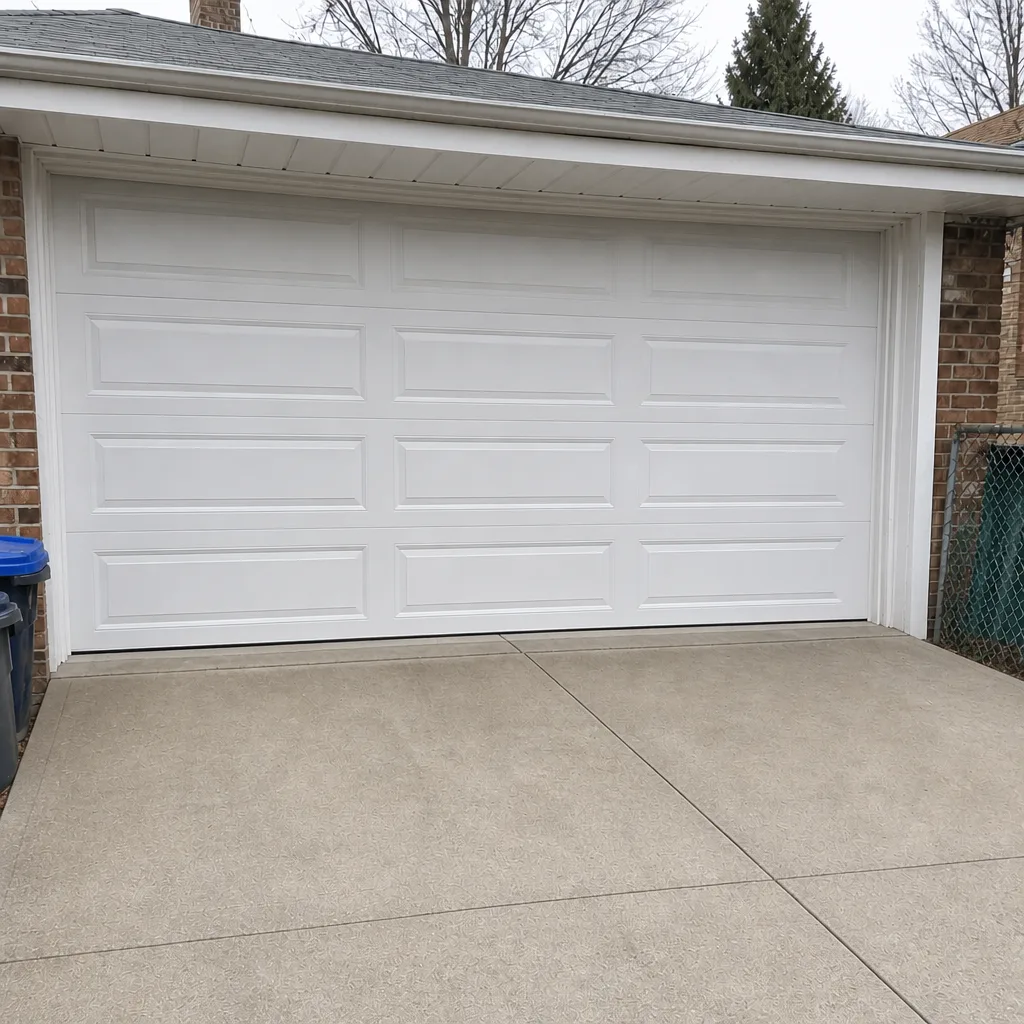 After
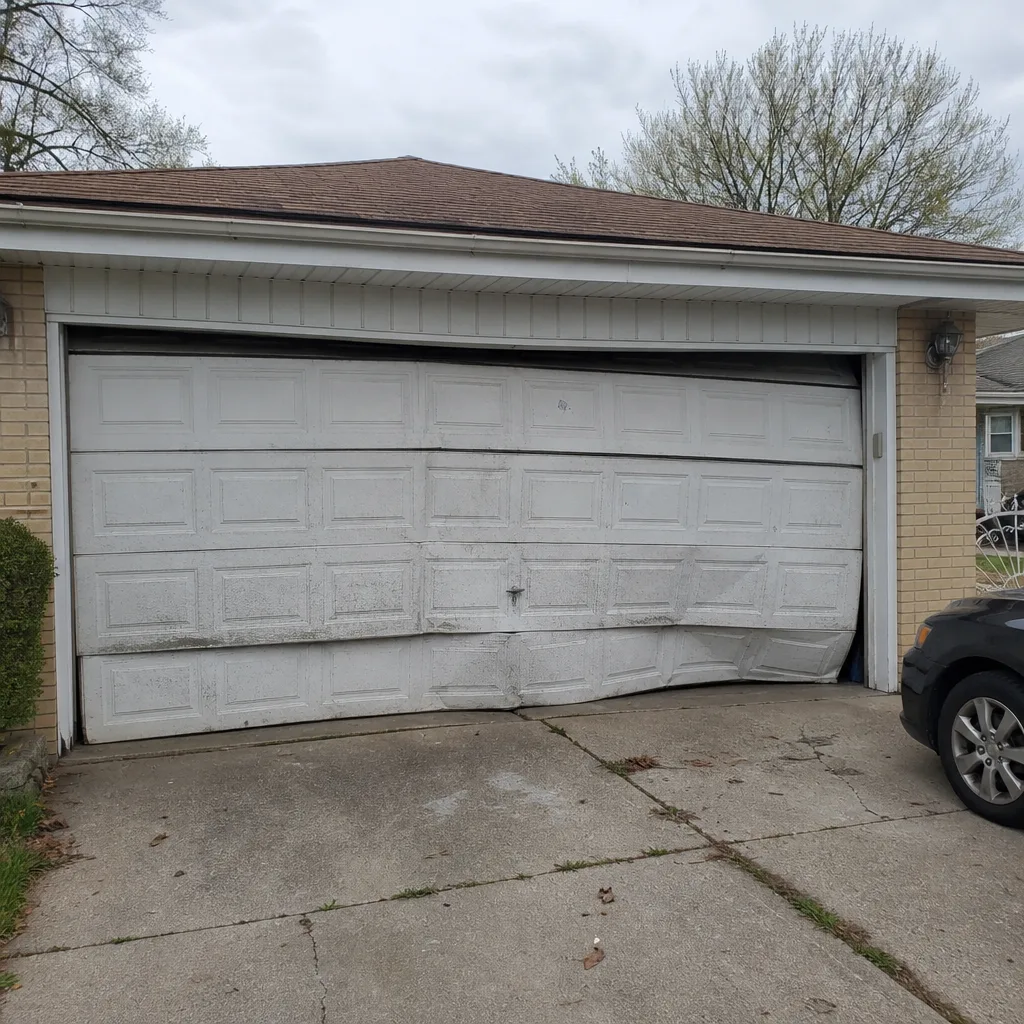 Before
 After
 Before
 After
When to Call a Professional
Call a professional if your job involves a permit, a spring, a cable, electrical work at the opener, or any change to the framing or header. Call if the door is not balanced, if the opener’s photo-eye is not working, if you’re buying or selling a home in Belmont Cragin and need to know what permits are on file, or if a replacement is on the horizon and you want a straight answer about whether the city needs to see it. Springs and cables are dangerous under tension and should never be handled by a homeowner. Garage Door Repair Belmont Cragin offers free estimates in Belmont Cragin. Call (833) 468-5695 and we’ll walk through the scope, tell you whether a permit is required, and quote the work in writing before anything starts.
Frequently Asked Questions
You need a permit if the replacement changes the size, material, header, track anchoring, or the electrical circuit to the opener. A like-for-like swap in the same opening with the same configuration usually doesn’t require one. Verify with the City of Chicago Department of Buildings before the work starts, and call (833) 468-5695 for a free estimate.
Permit fees in Chicago are set by the Department of Buildings based on the scope and valuation of the work, and they change over time, so call the department or check the current fee schedule for an exact number. The process usually takes a few weeks from submission to issued permit. The written estimate we provide covers the door work; the permit fee is separate and passed through at cost. For a quote on the work, call (833) 468-5695.
A buyer’s attorney will likely flag the missing permit during due diligence, and it typically turns into a negotiation or a closing delay. The cost of handling it during the sale is usually higher than handling it beforehand. The fix is to permit the work retroactively through the city. Call (833) 468-5695 if you want us to look at the installation before you start the process.
No. The written price we give you is the price for the scope we agreed on, and we confirm the scope before any work starts. If something unexpected turns up during the job, we stop and quote the additional work in writing before proceeding. Estimates are free. Call (833) 468-5695 to schedule one.
The local professionals we connect you with are licensed and insured as required by the State of Illinois. Our technicians have up to 10 years of experience with garage door repair, installation and inspection preparation, and every job is quoted in writing before work begins. Call (833) 468-5695 for a free estimate.
Yes. Retroactive permitting in Chicago follows a defined process: submit the application, schedule the inspection, and complete any corrections the inspector identifies. The corrections are usually minor, like photo-eye repair or re-securing track anchors. We handle the installation side and prepare the door for inspection so the visit doesn’t turn into a second trip. Call (833) 468-5695 to get started.
The Bottom Line
A garage door replacement in Belmont Cragin needs a permit when the size, material, framing, or electrical changes, and it usually doesn’t need one when it’s a true like-for-like swap. Inspectors focus on track anchoring, spring mounting, the opener’s photo-eye, electrical connections, and the balance of the door. HOA rules sit on top of city code, and the stricter one wins. Retroactive permitting is a defined process and it’s easier than the internet makes it sound, so there’s no reason to walk into a home sale with unpermitted work on the books. Get it permitted, keep the documentation, and the whole question disappears.
If you’re planning a repair or replacement and want to know whether the city needs to see your job, call Garage Door Repair Belmont Cragin at (833) 468-5695 for a free estimate. We work on the brand you already have, from Genie openers to Clopay doors, and we’ll give you a straight answer on the permit question before anything is ordered. The right fix, not the most expensive one.
Written by the team at Garage Door Repair Belmont Cragin.