Last updated November 21, 2026
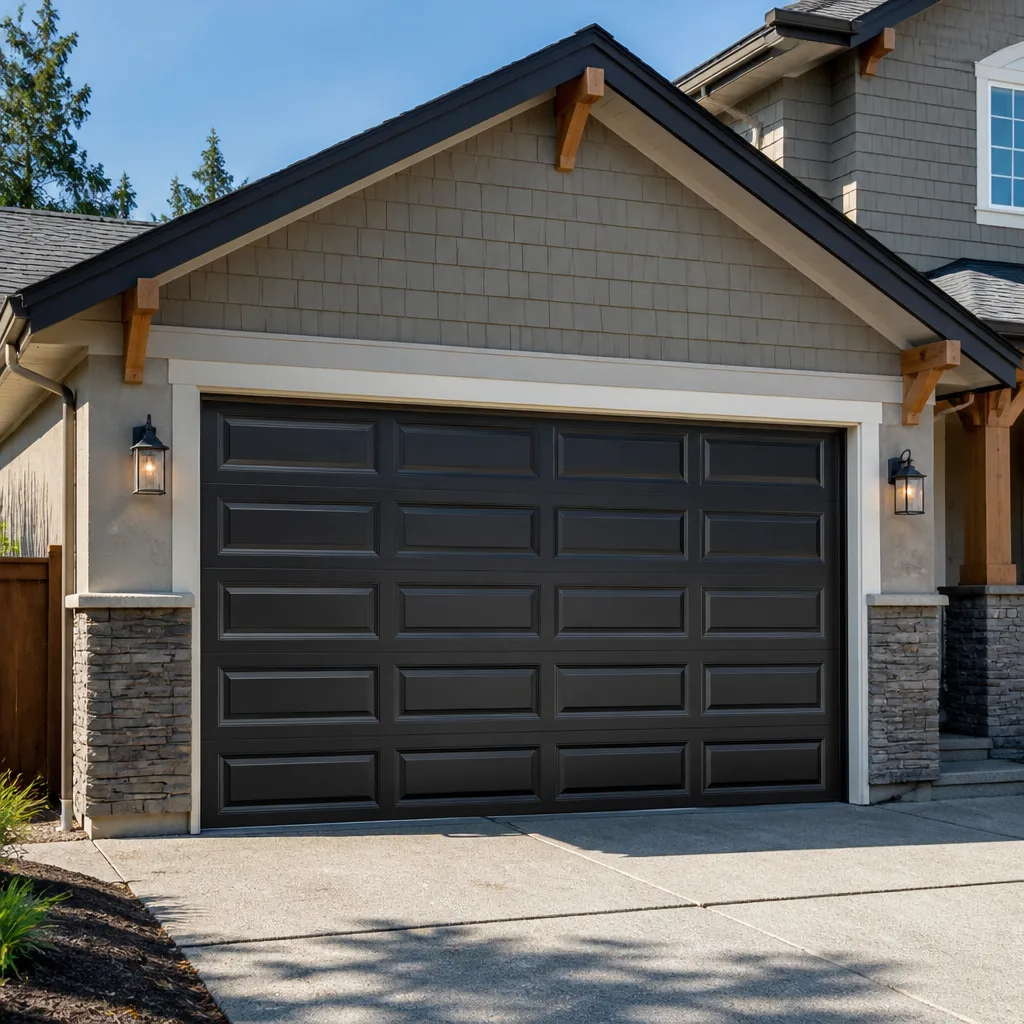 Raised-panel steel
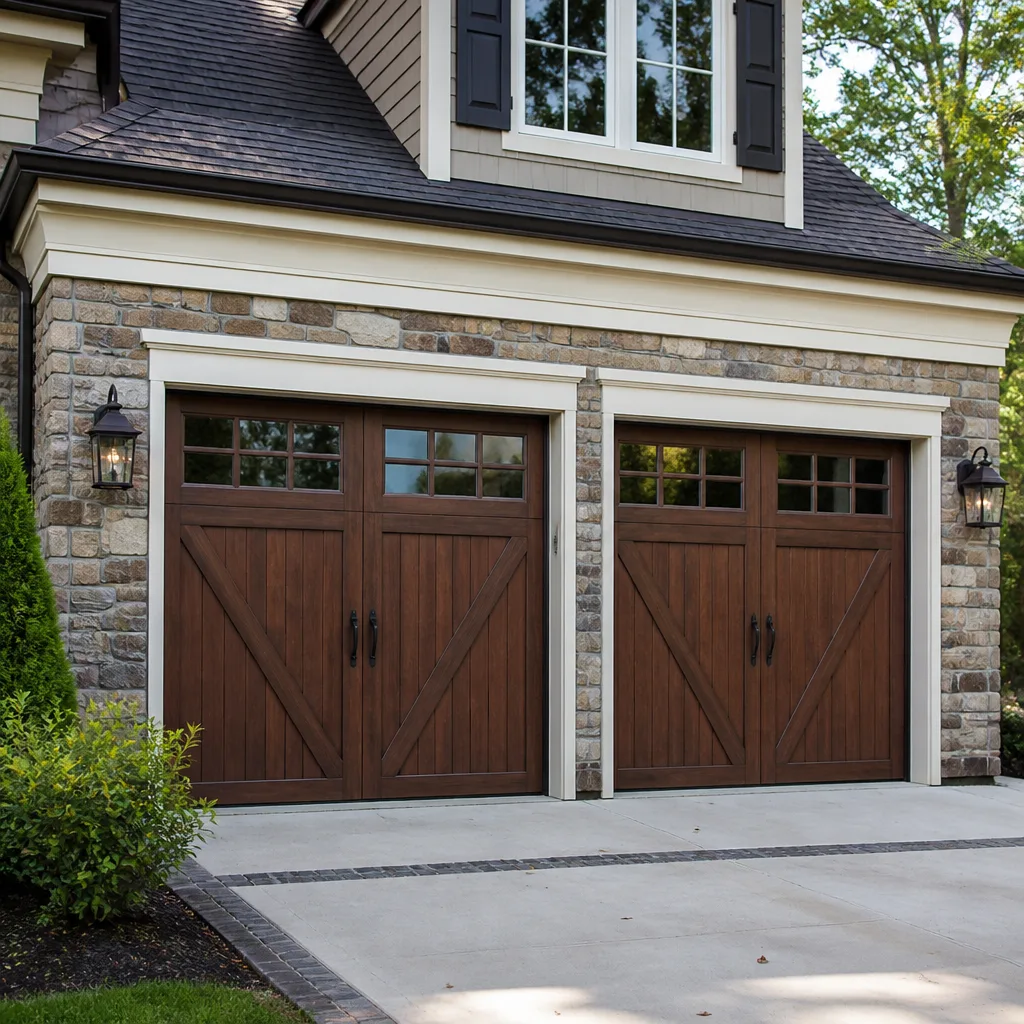 Carriage house
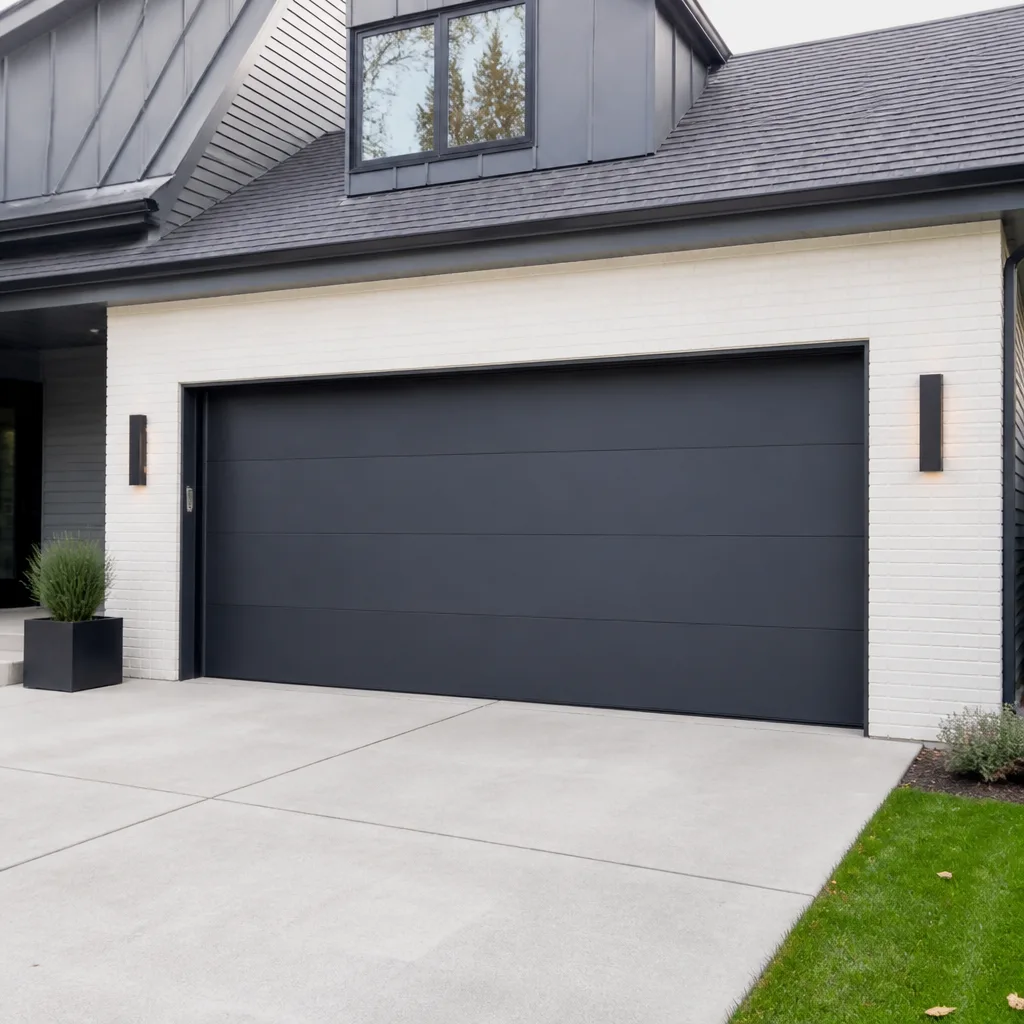 Modern flush
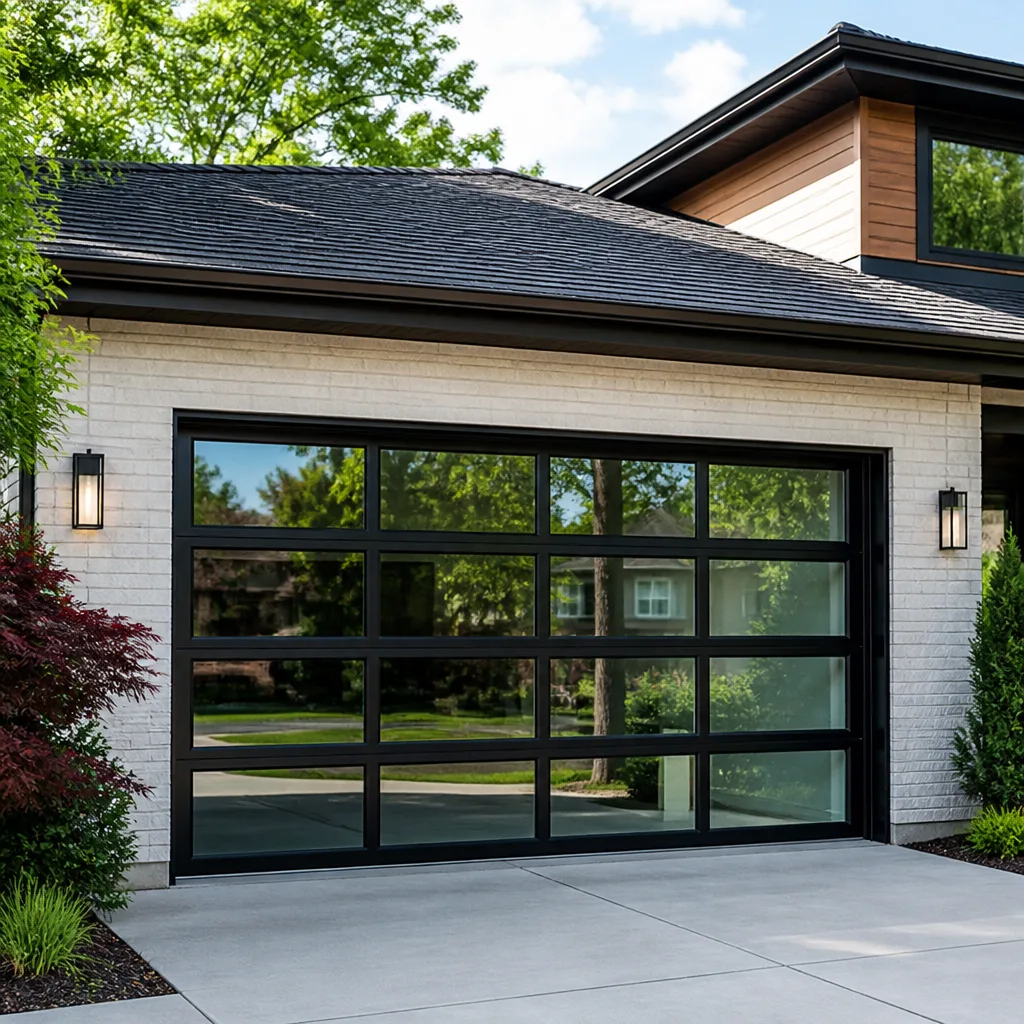 Full-view glass
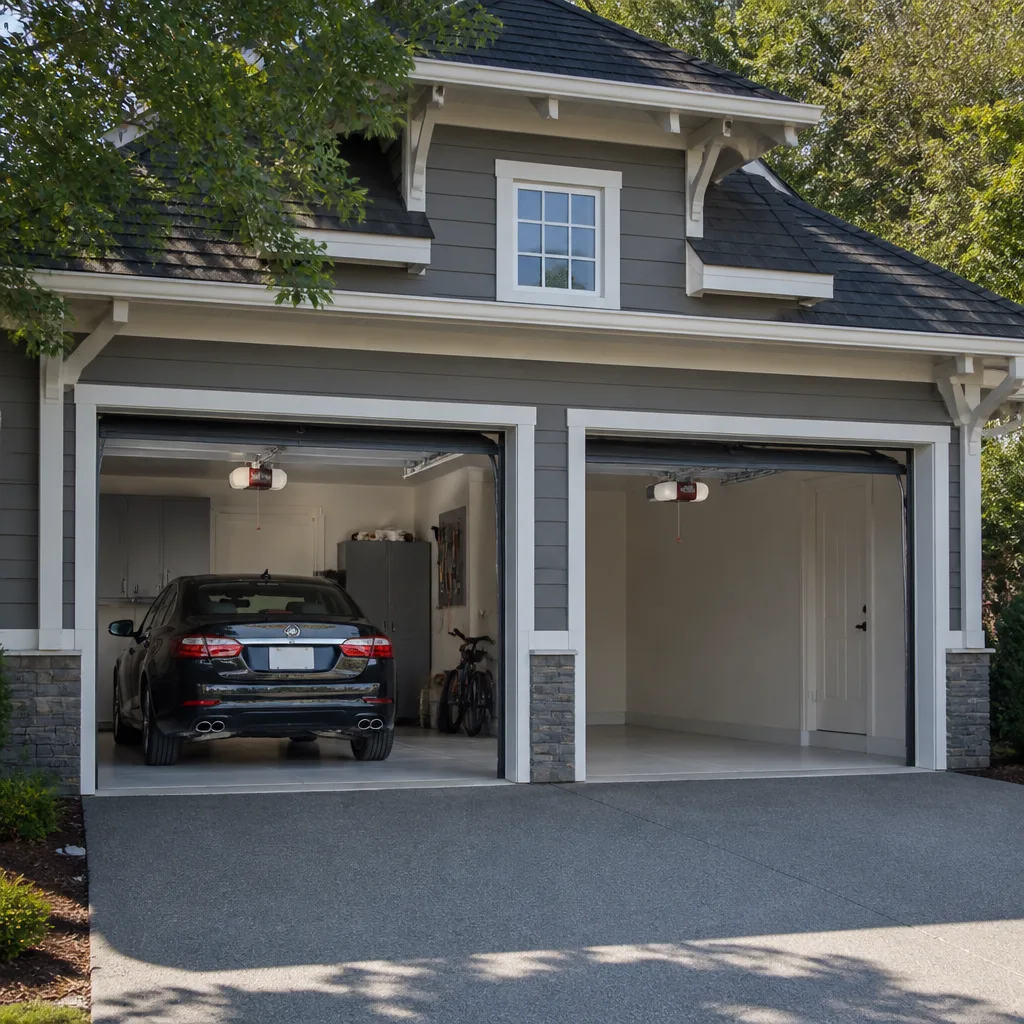 LiftMaster openers
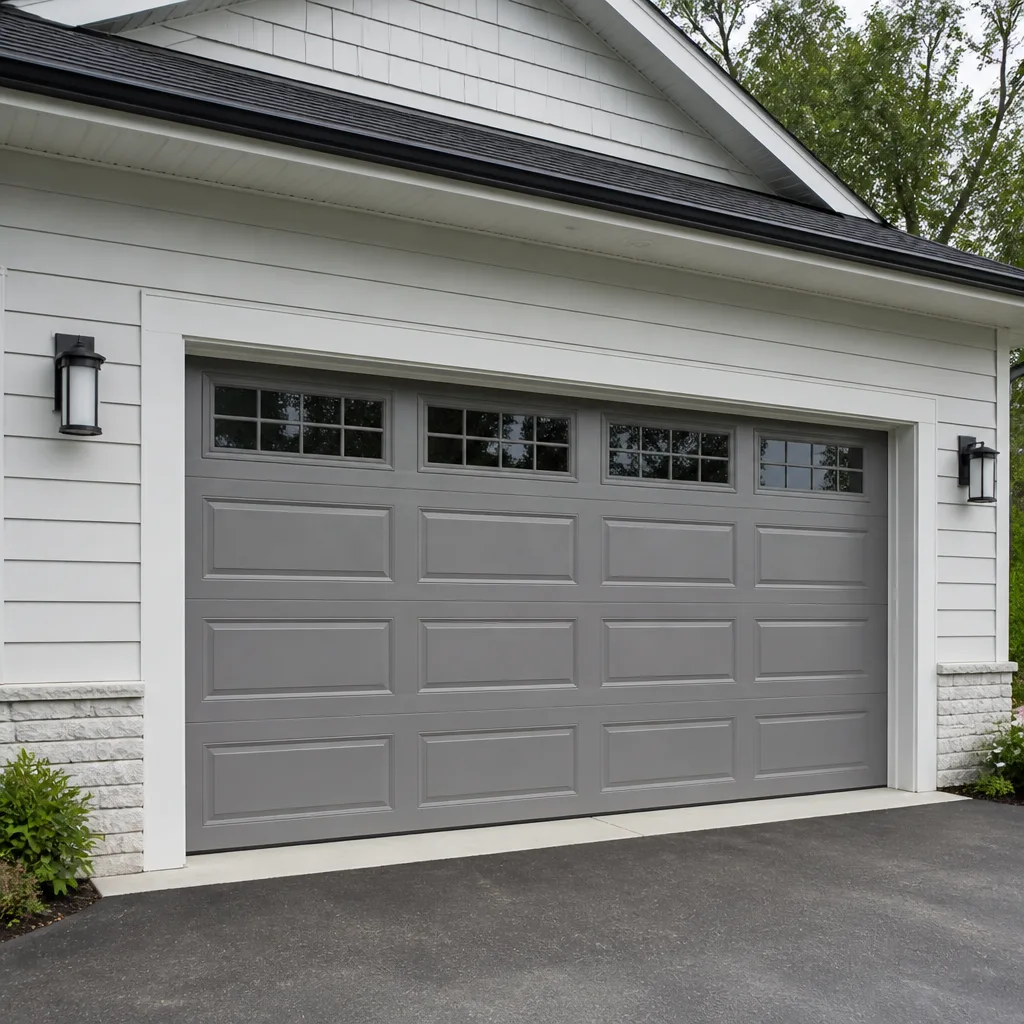 Chamberlain openers
Full 25-point door and opener safety check with every visit - springs, cables, rollers, tracks, and your LiftMaster or Chamberlain opener included
You get a price before we start. It does not change when the pro arrives.
Get your free estimateThe Complete Guide to Garage Doors in Belmont Cragin
Most garage door advice you’ll find online assumes a two-car attached garage with a wide driveway and a clean approach from the street. That profile barely exists in Belmont Cragin. The majority of garages on these blocks are single-car detached structures built between the 1920s and the 1950s, tucked behind the house and reached through a narrow alley. So the standard 16-foot door specs and generic clearance figures in national guides are wrong for most homes here. This guide walks through what actually applies: the door sizes you’ll find, how freeze-thaw affects your hardware, how to tell repair from replacement, and what multi-unit property managers need to track that single-family owners don’t.
Quick Answer
Garage door work in Belmont Cragin usually falls into one of three buckets: a repair (springs, cables, rollers, opener), a single component replacement, or a full door replacement. Which one you need depends on your door’s width and clearance, the condition of the panels and track, and how the door meets Chicago’s freeze-thaw cycles. A trained technician can tell the difference in a short inspection, and the written estimate should spell out the fix before any work begins. Prices vary by door size and job type, so the estimate is the real number.
Styles & brands we work with
- Raised-panel steel
- Carriage house
- Modern flush
- Full-view glass
- LiftMaster openers
- Chamberlain openers
Table of Contents
- How Belmont Cragin Garages Differ From the Suburban Standard
- Door Widths and Headroom Clearances You’ll Actually Find Here
- Repair, Component Replacement, or Full Replacement?
- Brands, Materials, and Chicago’s Freeze-Thaw Cycles
- Springs and Cables: Why This Is Not a DIY Job
- Alley Access and Detached Garage Logistics
- What Property Managers of Multi-Unit Buildings Need to Track
- When It’s Time to Install or Upgrade
How Belmont Cragin Garages Differ From the Suburban Standard
If you’ve read a national garage door guide and felt like it was describing someone else’s house, that’s because it was. The typical Belmont Cragin garage is a wood-frame or brick detached structure at the end of a lot, facing an alley, with a single door opening that’s often narrower than the 16-foot double doors most guides center on. That changes everything downstream: which door sizes are available, how a technician gets equipment to the work area, how much room there is for a torsion spring and opener rail, and what’s realistic for an upgrade.
The 1920s – 1950s housing stock here has a few common patterns you’ll run into across Belmont Cragin:
- Single-car detached garages with an 8- or 9-foot-wide opening, reached through a rear alley. These are the most common units on residential blocks.
- Brick two-flats where the garage is a separate structure behind the building, sometimes shared, sometimes assigned to one unit.
- Newer construction with a wider attached or semi-attached garage, usually a two-car layout with a 16-foot door opening.
The practical upshot: recommendations for a Belmont Cragin garage door have to start with your structure, not a generic spec sheet. An 8-foot single door and a 16-foot double door use different springs, different track lengths, and different opener rail setups. Treating them the same is how people end up with wrong-sized parts and a door that won’t sit flush. We service both profiles week in and week out, and the first question we ask is always about opening width and headroom, not the brand name on the opener.
Door Widths and Headroom Clearances You’ll Actually Find Here
Before any repair estimate means anything, you have to know what you’re dealing with in terms of opening size and clear space above the door. Older Belmont Cragin garages have less headroom than most people assume, and that’s the single fact that most often changes the recommendation.
Here’s what’s typical across the neighborhood:
Single-car garages (most common)
- Width: 8 or 9 feet is the standard. Some older builds run narrower than that, which is why stock parts often need adjusting.
- Height: 7 feet is typical; occasional 6-foot-6 setups on very old builds.
- Headroom: 10 to 12 inches between the top of the door and the ceiling is common in these structures, sometimes less.
Two-car or newer construction
- Width: 16 feet is standard for a double door; 12 feet for some single-plus setups.
- Height: 7 feet is near-universal.
- Headroom: 12 to 15 inches is the norm, which opens up more opener and spring options.
Why the headroom number matters: torsion springs, which sit on a horizontal shaft above the door, need space to work. On a low-clearance Belmont Cragin garage, the technician has to either use a low-clearance spring setup or a different hardware configuration. Getting that wrong isn’t just expensive, it’s unsafe. Measure before you shop, and if you’re not sure what you’re measuring, ask us to take a look before you commit to a door or an opener.
If you’re already fighting a door that’s stuck or won’t travel properly, that’s usually an opener or spring symptom rather than a size issue. For that, we recommend starting with garage door opener repair.
Repair, Component Replacement, or Full Replacement?
This is the decision that eats the most money when it’s made wrong, and the one we walk through most often with Belmont Cragin homeowners. You generally have three paths, and the right one depends on the door’s panels, not its age alone.
Step 1: Diagnose what failed
A no-start or partial-movement garage door is almost always a specific component failure, not a dead door. The common culprits are springs, cables, rollers, hinges, the opener gear, or a misaligned track. A technician can usually pinpoint the failed part in 10 minutes.
Step 2: Match the fix to the component
- Spring or cable: repair is nearly always the answer. Replace the spring or cable, leave the door in place. Cheapest path to a working door.
- Opener motor or board: openers are serviceable or replaceable in an afternoon, and the door comes out of the equation.
- Rollers, hinges, bottom seal: individual wear items. Replace them and the door keeps running.
- Rusted or dents panels: if the panels are intact enough to seal and support the hardware, panels can be replaced. If panels are rusted through at the hinges or the bottom section is rotting, replacement starts to make more sense.
- Bent or broken track, warped door, structural rust: replacement.
Step 3: Decide without overpaying
Here’s the rule of thumb. If the repair cost is a small fraction of the door’s replacement cost and the panels are otherwise sound, repair. If a single repair is going to be a big chunk of replacement and the panels are already at the end of their life, replace. That’s the “right fix, not the most expensive one” test. Nobody needs a full door replacement because of a snapped spring, and nobody needs to patch a door that’s structurally gone. On most of the 1920s – 1950s stock in Belmont Cragin, the panels hold up well and repair usually wins. That flips toward replacement when the door is rusted through at the bottom or the structure has warped.
If you’ve already crossed into replacement territory, we walk that path in garage door installation.
Brands, Materials, and Chicago’s Freeze-Thaw Cycles
Chicago’s freeze-thaw cycles are the local condition that grinds down garage door hardware fastest, and Belmont Cragin’s alley-facing detached garages feel it more than attached ones. A detached garage sits in the open, catches the freeze at night, thaws in the sun, and repeats that pattern dozens of times between November and March. What that does:
- Steel bottom sections push moisture into the joint between panels and into the bottom seal. Rust starts at the seam and creeps up.
- Springs and cables work-harden and fatigue a little faster in the freeze-thaw cycle than in a stable-climate garage.
- Wood panels swell, shrink, and open up gaps. Paint fails at the joints.
- Track and rollers bind and jump when the temperature swings. A door that’s fine in July can be stiff and noisy in January.
Material choice should reflect that. Steel is the most common choice across the neighborhood for the balance of cost and lifespan; the better grades with a baked-on finish handle the cycles well. Aluminum is lighter and resists rust, but dents more easily. Wood looks right on older Belmont Cragin homes and matches the brick and frame of the surroundings, but needs a paint cycle to keep it alive. Insulated steel panels are worth considering for garages that double as workshops or that bake in afternoon sun.
On the brand front, most of the equipment we see in Belmont Cragin comes from a short list of manufacturers, and we work on the brand you already have rather than pushing you toward a new system. That includes Genie openers, Clopay and Amarr doors, and Wayne Dalton setups. The parts supply side matters here too: because the neighborhood’s garages are a mix of older and newer stock, no single brand dominates, and being able to match the right component to what’s actually installed saves a lot of back-and-forth. We keep parts on hand, not on order.
Springs and Cables: Why This Is Not a DIY Job
Torsion and extension springs store enough energy to cause serious injury, and garage door cables under tension can snap without warning. This is the one part of garage door work where we actively steer homeowners away from doing it themselves, no exceptions. A spring that appears “just loose” can release the stored energy in the wrong direction when the wrong tool is applied.
Here’s what’s safe to check, and what to leave to a trained technician:
Safe to check yourself
- Whether the opener light comes on but the door doesn’t move (opener or spring issue).
- Whether the door only opens partially before stopping (likely a spring or cable).
- Whether the door hangs crooked (likely a cable or track issue).
- Whether you hear a loud bang from the garage and the door won’t lift (almost certainly a broken torsion spring).
Leave to a technician
- Removing or installing torsion springs, extension springs, or cables.
- Adjusting spring tension.
- Replacing a snapped cable.
- Anything involving the winding bars, the torsion tube, or the drums.
Spring repair is a primary service for us, not an upsell or a referral. That matters in a neighborhood where the garage is the secure storage for tools, bikes, and seasonal gear. When a spring fails, you want someone who does this daily on the exact equipment in your garage. If your door is stuck or making a bang, don’t keep hitting the opener button hoping it clears. That wears the opener gear and can drop the door. Call us, and we’ll take it from there.
Alley Access and Detached Garage Logistics
Alley-access detached garages are the defining feature of Belmont Cragin’s garage stock, and they change how the work gets done. The technician has to get equipment down an alley, into a garage that might be 20 feet behind the house, sometimes over uneven concrete or in a yard with limited clearance. That’s routine for us, but it’s worth knowing because it affects how long a job takes and what tools can be used.
A few practical notes for homeowners:
- Clear the alley approach before the technician arrives. Bins, garden equipment, and parked cars in the alley add time to the job.
- Make sure the garage interior is accessible. A back wall of stacked storage blocks access to the springs and track. Clearing a walkway to the door is enough.
- Parking: if the alley is tight, tell us when you book so the technician arrives with the right plan and doesn’t waste time on the approach.
- Neighbors’ garages share the same alley. A technician working in one unit will often be visible to adjacent properties, and that’s normal – just let your neighbors know if it helps.
None of this is a barrier. It’s just context that national guides miss. In Belmont Cragin, a garage door job is also an alley job, and the estimate and timeline reflect that.
For routine issues, that’s where our garage door repair work starts.
What Property Managers of Multi-Unit Buildings Need to Track
If you manage a brick two-flat or a small multi-unit building in Belmont Cragin, garage door decisions differ from a single-family owner’s in a few specific ways. The biggest is that you’re not deciding one door, you’re deciding a schedule, and a failed door means a tenant call at an inconvenient hour.
What to track
- Door-by-door condition log. Note each door’s opening width, spring type, opener model, and last service date. On a building with four garage units, this is the difference between a planned repair and a surprise.
- Spring age. Torsion springs have a finite cycle life. If you can date the last spring replacement, you can plan the replacement before it snaps.
- Opener model consistency. If the building runs on a single brand, keep it consistent. Mixed-owner openers in a shared building are harder to service and more likely to strand a tenant.
- Tenant reporting. Ask tenants to report odd noises, slow openings, or doors that travel unevenly. Catching a failing spring early prevents a full failure.
- Budget for both repair and replacement. Shared buildings tend to run doors to failure because nobody owns the decision. A small repair budget plus a replacement line item reduces that pattern.
The practical angle for a property manager: a predictable maintenance rhythm saves money versus emergency calls. If you’re running a small commercial operation with roll-up or sectional doors, the same logic applies – regular inspection beats reactive service. For multi-door buildings, we can quote a walkthrough and price each unit separately so you can plan with real numbers, not guesses.
If you’re managing a portfolio of units in Belmont Cragin and want a single point of contact for garage door work, we handle Garage Door Repair Belmont Cragin service across the neighborhood.
When It’s Time to Install or Upgrade
Installation and replacement are measured, ordered, and scheduled work, not same-day fixes. That’s an important expectation to set up front: a new door isn’t a repair call. It’s a sequence that starts with a measure and ends with a written price and a scheduled install date.
Here’s the sequence we walk through for Belmont Cragin installs:
- Measure and inspect. Opening width, height, and headroom. If the frame is uneven or rotted, that’s addressed before the new door goes in.
- Pick the door. Size, material, insulation, finish, and brand. Clopay, Amarr, and Wayne Dalton are all common choices for this stock; the right one depends on your structure and budget.
- Confirm clearance and opener compatibility. A new door usually pairs with a new opener or a fresh opener setup. We work on the brand you already have, so if the existing opener is serviceable, it stays.
- Written estimate. Labor, material, and hardware itemized. You see the number before anything is ordered or removed.
- Schedule and install. Bring the door, remove the old, install the new, test the safety reverse, and clean up the site.
Upgrade options within that same path: a quieter belt-drive opener, a smart opener with phone control, insulated panels for a garage that doubles as a workspace, or windows in the top panel for light. A torsion-to-extension or extension-to-torsion conversion is sometimes worth doing during a replacement but isn’t right for every garage. We’ll tell you which one applies to yours rather than assume.
Common Mistakes to Avoid
- Buying a 16-foot door sight unseen. The standard double-door spec in national guides doesn’t fit most Belmont Cragin garages. Measure the opening width and headroom first, or a stock door won’t fit.
- Letting a spring failure “get fixed later.” An open-door spring failure leaves the door unsecured. On an alley-facing detached garage, that’s the difference between a locked unit and an open one.
- Replacing the opener when the spring is the problem. A door that won’t lift because the spring snapped isn’t a dead opener. Swap the wrong part and you’ve spent money that didn’t fix the door.
- Ignoring the bottom seal and rust at the seam. Freeze-thaw starts corrosion at the bottom joint, and a $20 seal replacement prevents damage that runs into hundreds once the panel rusts through.
- Skipping the written estimate to “save time.” A verbal price that shifts when the technician arrives is the exact scenario we work to prevent. Get the number in writing before work starts.
- Doing spring work yourself. Torsion and extension springs hold dangerous energy. This is the one garage door component to never touch without training and the right tools.
- Buying a door without checking headroom. A door can be the right width and still not fit if the ceiling clearance is too low. Measure before you order, not after.
See the difference
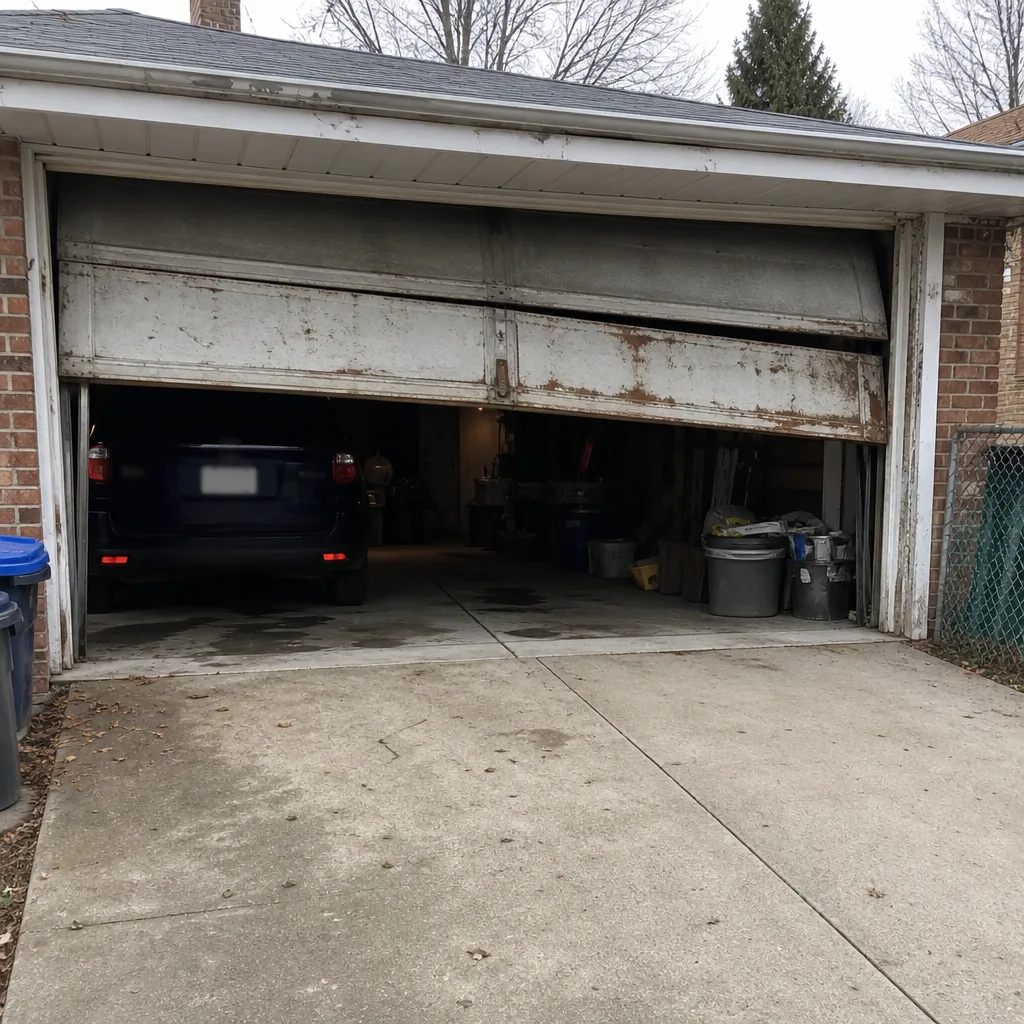 Before
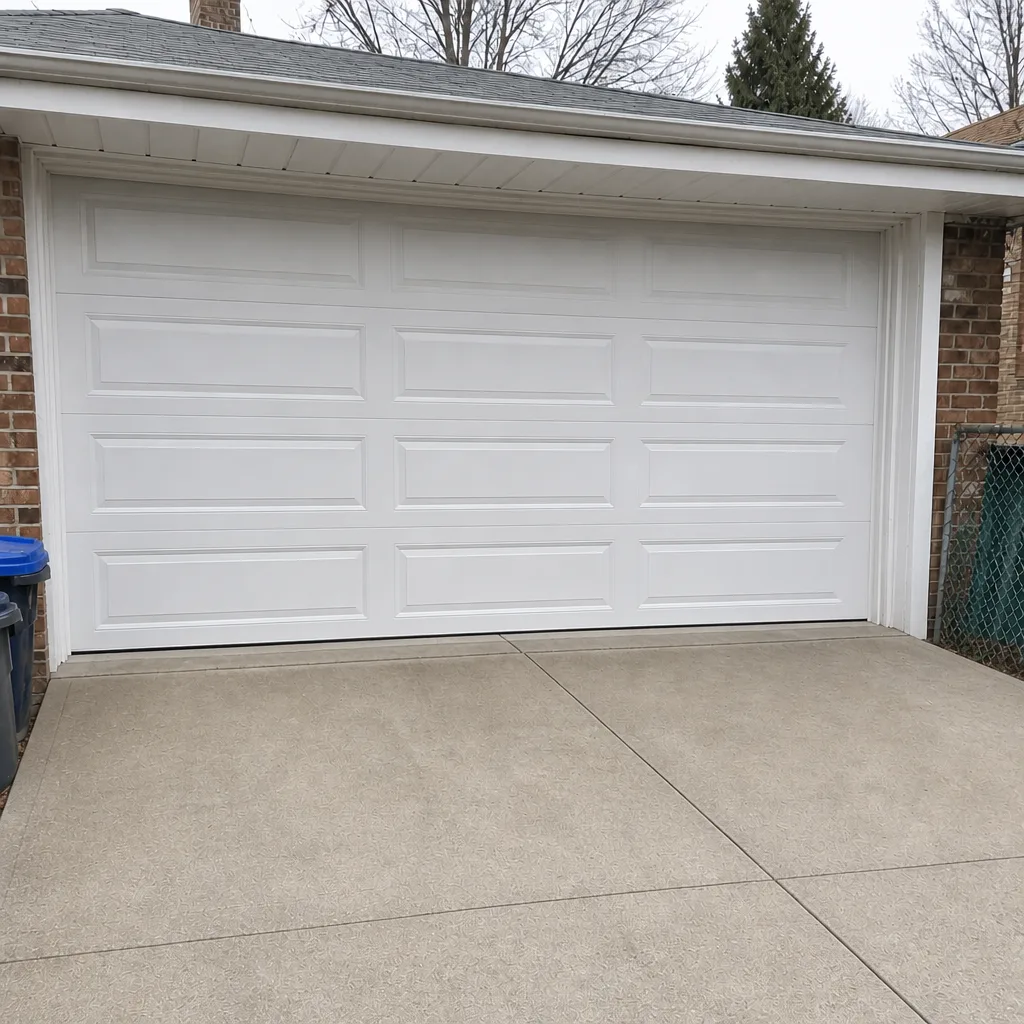 After
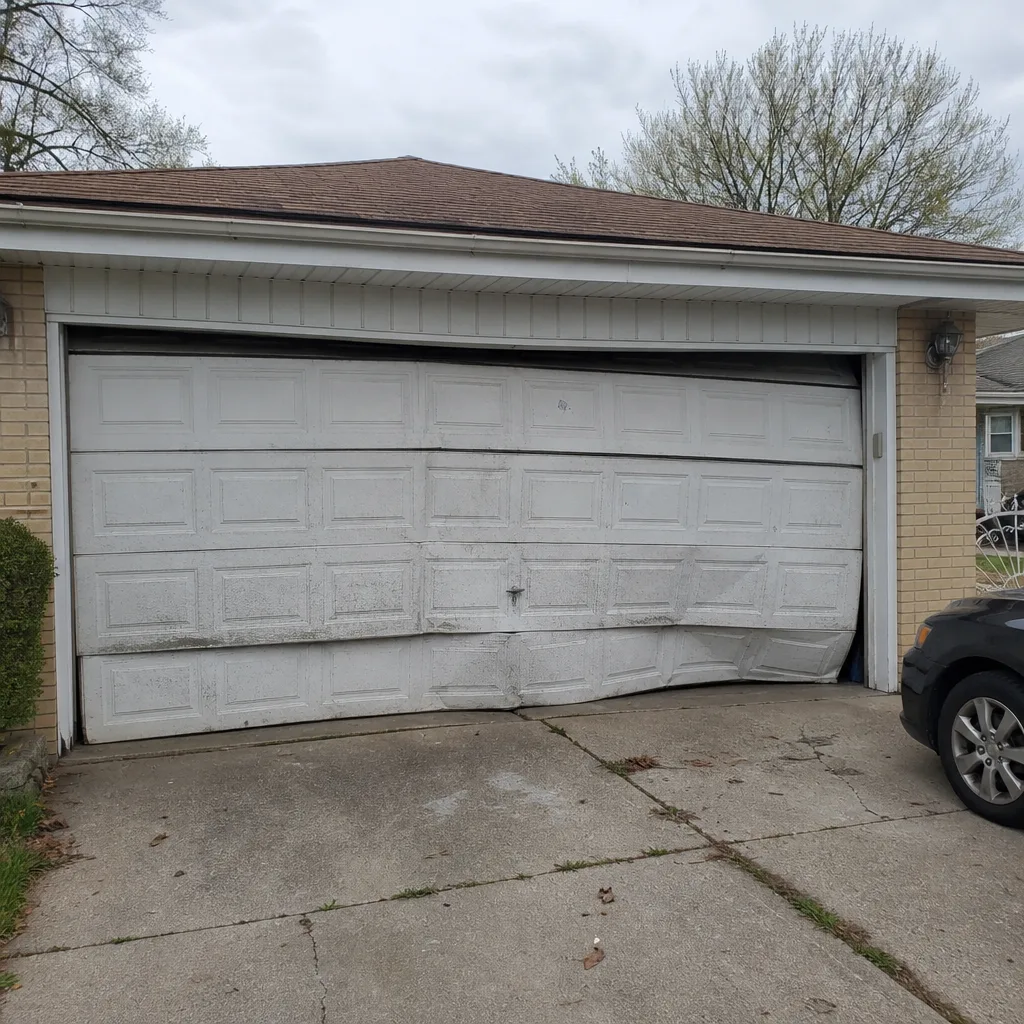 Before
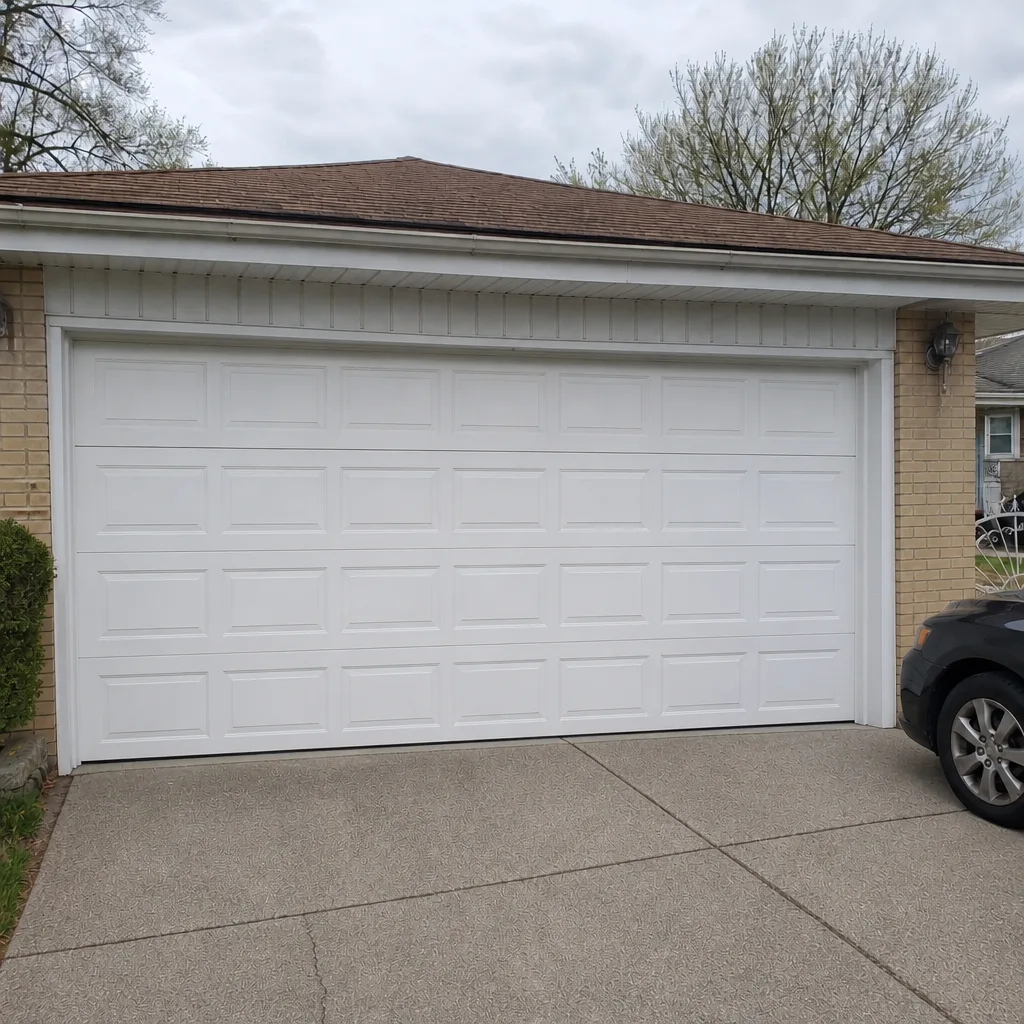 After
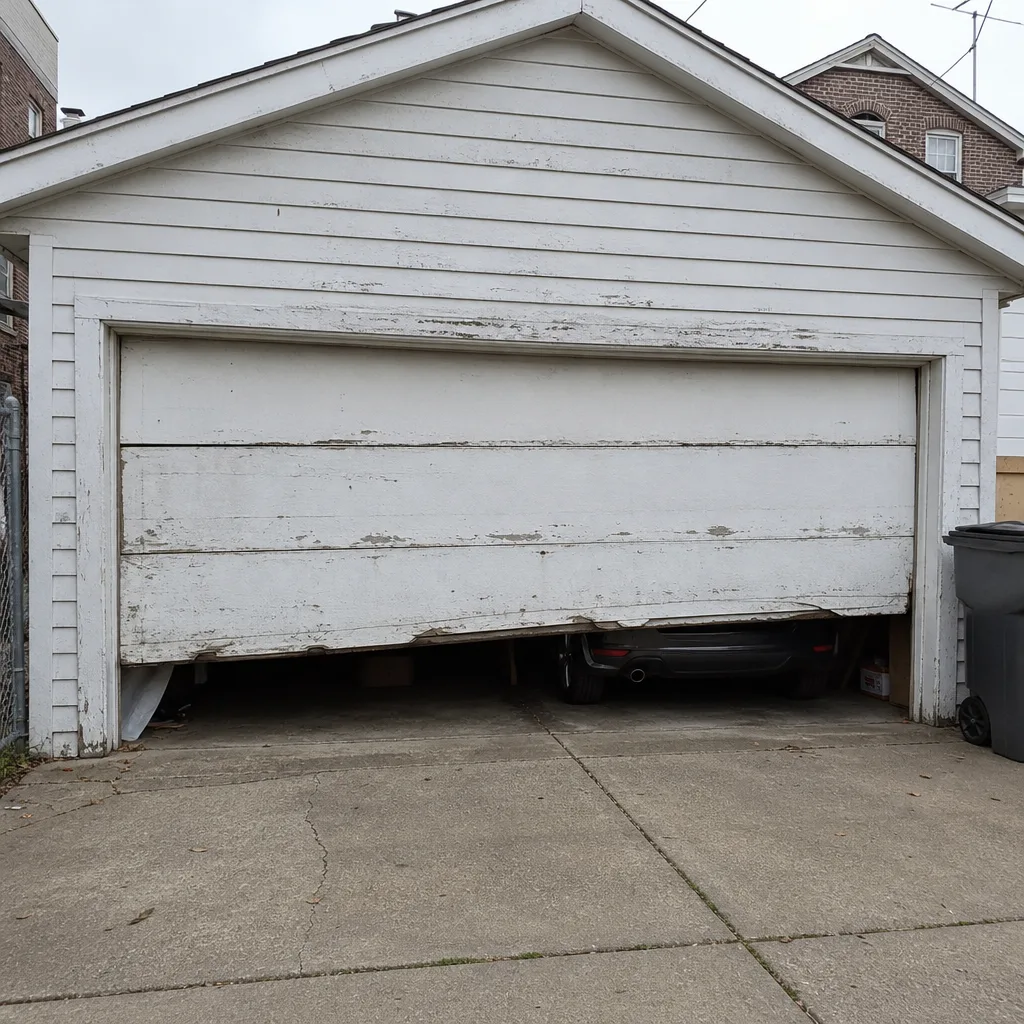 Before
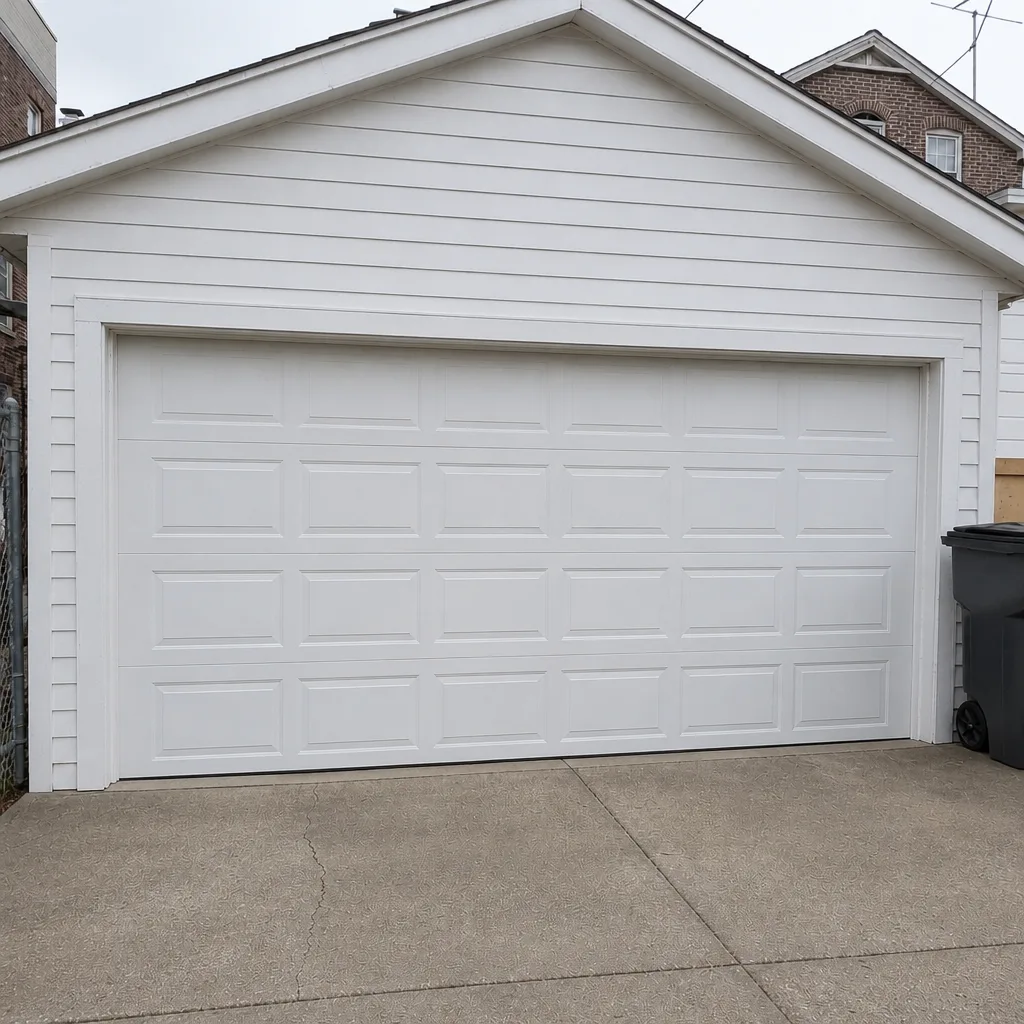 After
When to Call a Professional
Call a professional when the door won’t lift, when it hangs crooked, when you’ve heard a bang from the garage, when the opener runs but the door doesn’t move, when a cable is visibly slack or snapped, when the door won’t close flush, or when the panels are warped or rusted enough that the door no longer sits flat in the opening. Also call when a door has become unusually stiff or loud, since that’s a common early signal of a spring or roller issue that gets worse fast. Of course, call before buying a new door or opener if you’re not sure your opening size and headroom will support it. Garage Door Repair Belmont Cragin offers free estimates in Belmont Cragin – call (833) 468-5695. Our technicians have up to 10 years of experience, and we work on the brand you already have.
Frequently Asked Questions
Spring repair is quoted per job after the technician inspects the door and confirms the spring type and door size. The price depends on whether it’s a torsion or extension spring, the door width, and whether one spring or a matched pair is being replaced. You get a written estimate before any work starts, and that estimate is the price. Call (833) 468-5695 for an exact quote – estimates are free.
Repairs are often scheduled same-day when the call comes in early enough during our dispatch window from 7am to 7pm. Spring breaks, snapped cables, and opener failures are the jobs we prioritize, because a door that won’t close leaves the garage unsecured. Call (833) 468-5695 and we’ll tell you the soonest available time.
No. The written estimate sets the price, and that’s the number you pay. The only way it changes is if you request additional work, and that gets quoted separately and agreed before it starts. If a diagnosis turns up something different from what the call described, the technician explains it before anyone touches the door.
Most older homes here have a single-car detached garage with an 8- or 9-foot-wide opening and a 7-foot height. Newer construction more often uses a 16-foot double door. Headroom (the space between the top of the door and the ceiling) is usually 10 to 12 inches in the older stock, which is tighter than suburban garages and affects which springs and openers fit.
Garage door replacement permits vary by jurisdiction, and the rules depend on the scope of the work. Ask the City of Chicago’s building department directly before scheduling a replacement, and confirm whether your project needs a permit. We can help you understand what the installation involves, but the current code requirement is best confirmed with the city.
The local professionals we connect homeowners with are licensed and insured as their state requires. Our technicians have up to 10 years of experience, and we work on LiftMaster, Chamberlain, Genie, Clopay, Amarr, Wayne Dalton, Craftsman, and Raynor equipment. Call (833) 468-5695 to ask about any specific credential before booking.
The Bottom Line
Belmont Cragin’s garage door reality doesn’t match the national guidebooks. The stock here is mostly single-car detached structures from the 1920s to the 1950s, reached by alley, with tighter clearances and older hardware than the attached two-car garages most advice is written for. Start with your opening size and headroom, then decide between repair, component replacement, or full replacement based on the panels. Respect freeze-thaw as the local wear factor, and never take on spring or cable work yourself. Whether you’re a homeowner on a single garage or a property manager running multiple units, the same rules apply: get a written estimate, confirm the diagnosis, and pick the fix that actually solves the problem.
For a free estimate on any garage door issue in Belmont Cragin, call (833) 468-5695. We handle springs, openers, panels, full installs, and parts under one roof, and we’ll tell you whether you’re looking at a repair or a replacement before you commit to anything.
Written by the team at Garage Door Repair Belmont Cragin.