Last updated November 21, 2026
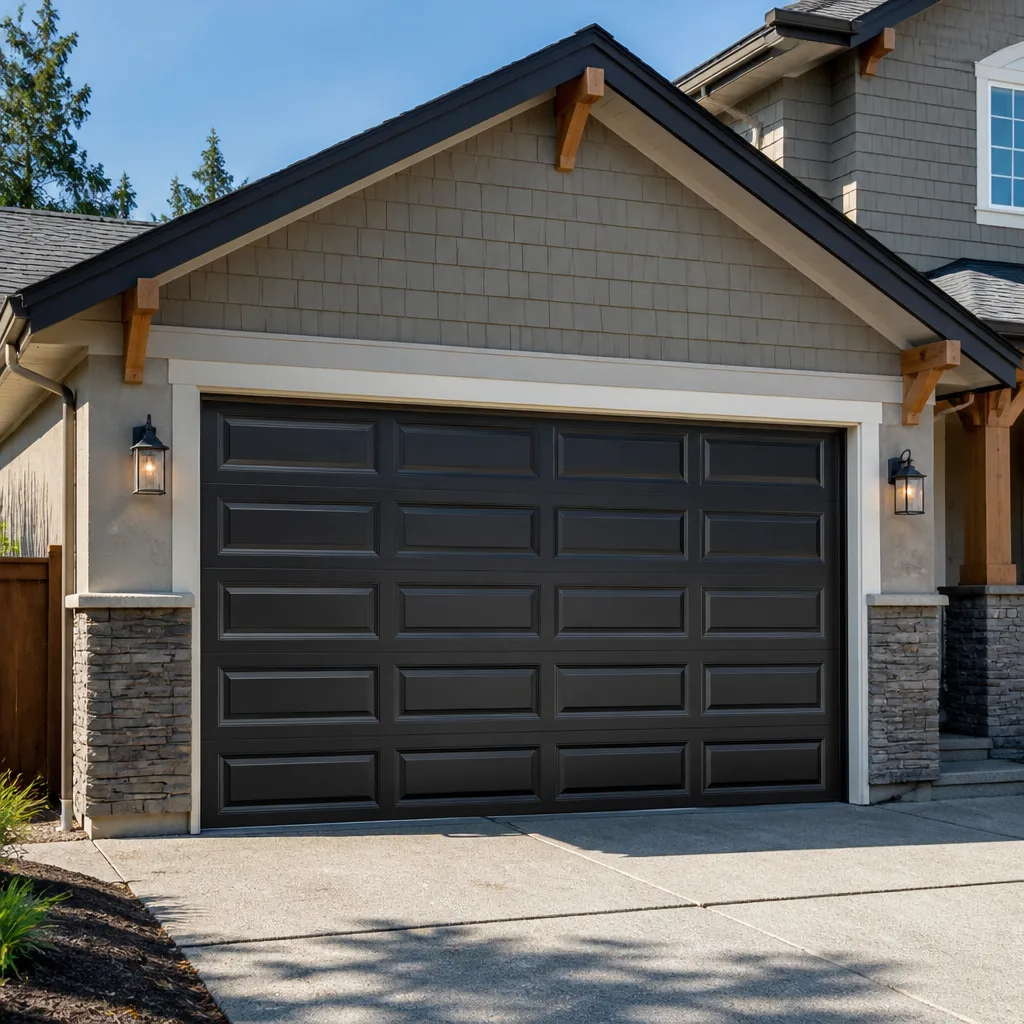 Raised-panel steel
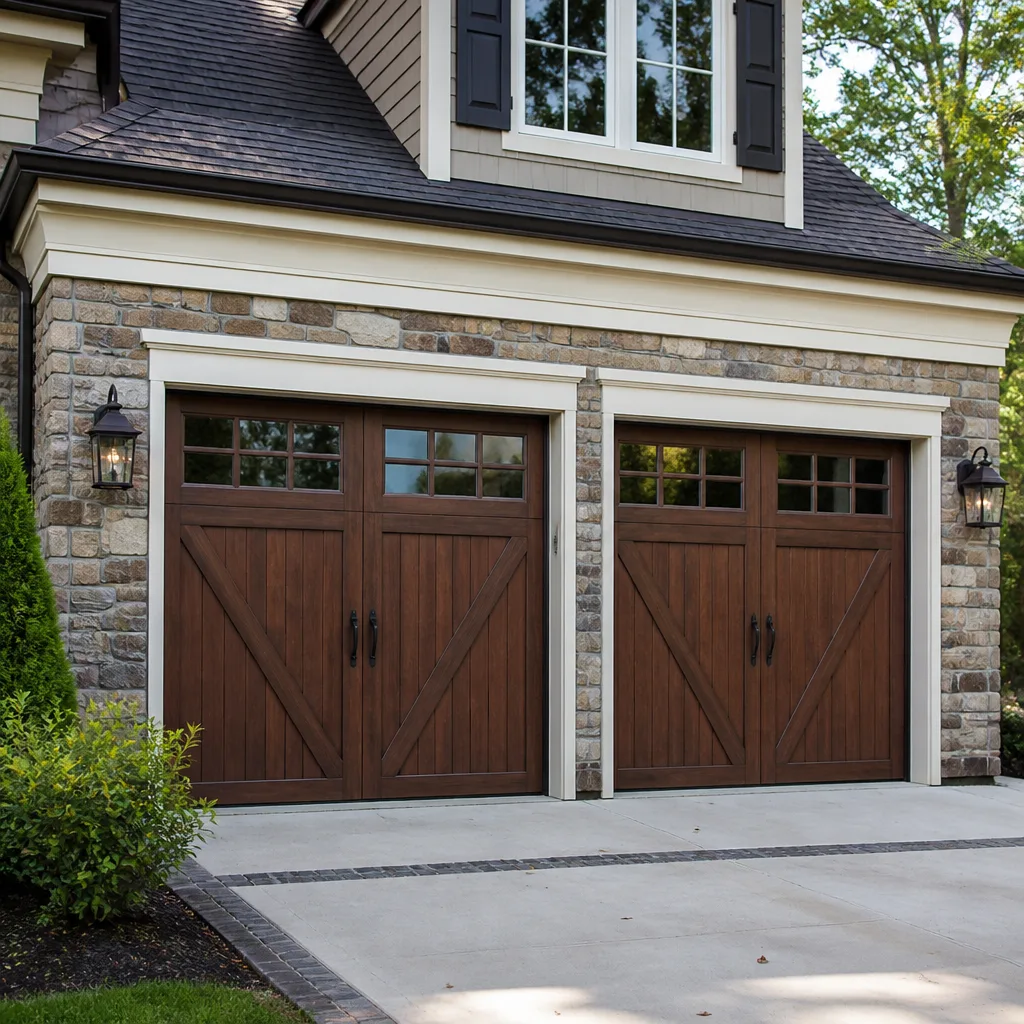 Carriage house
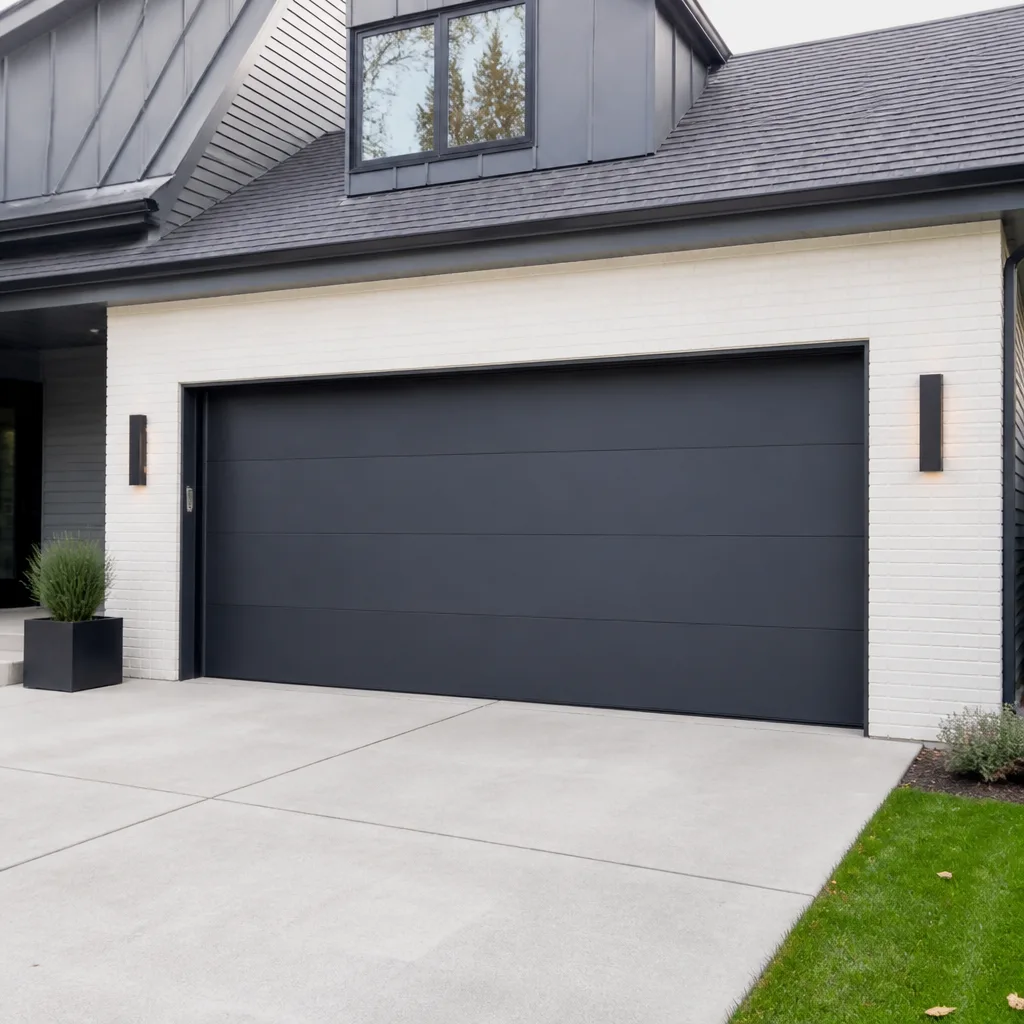 Modern flush
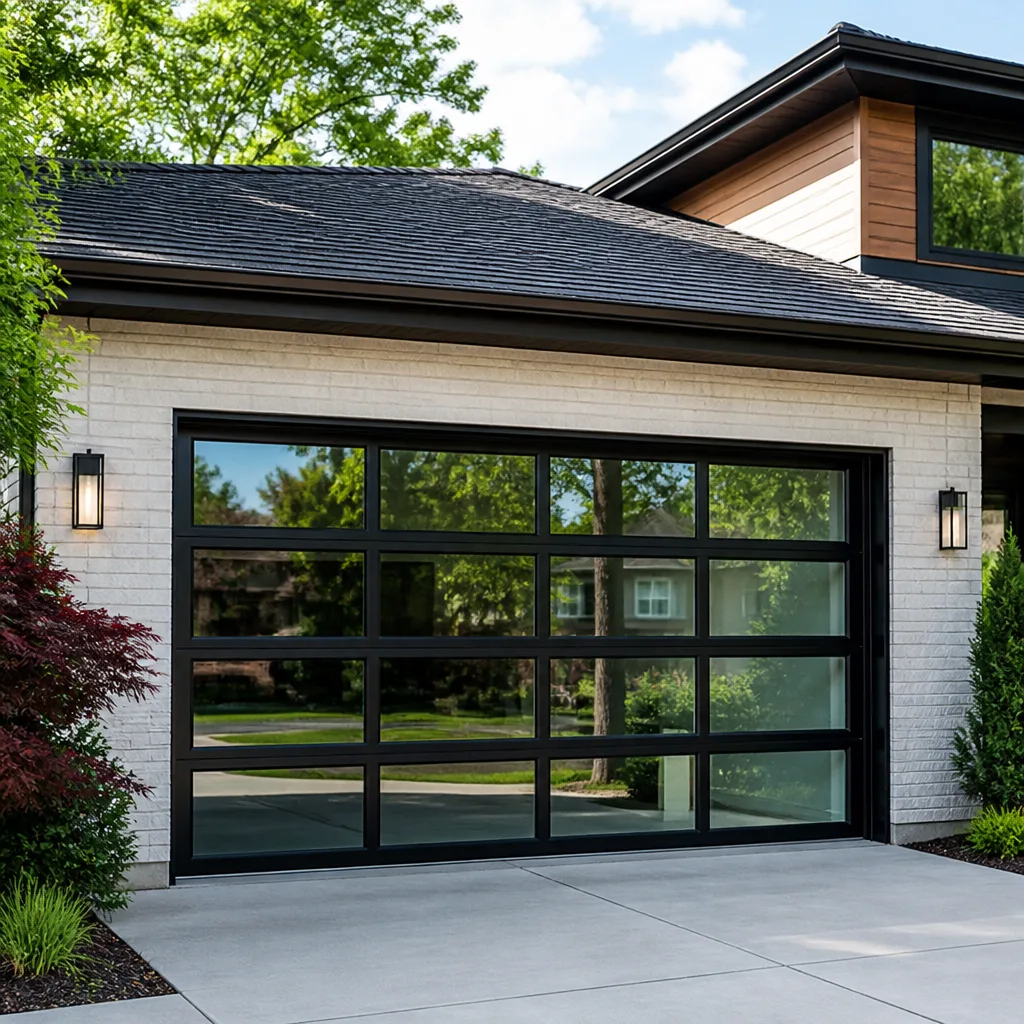 Full-view glass
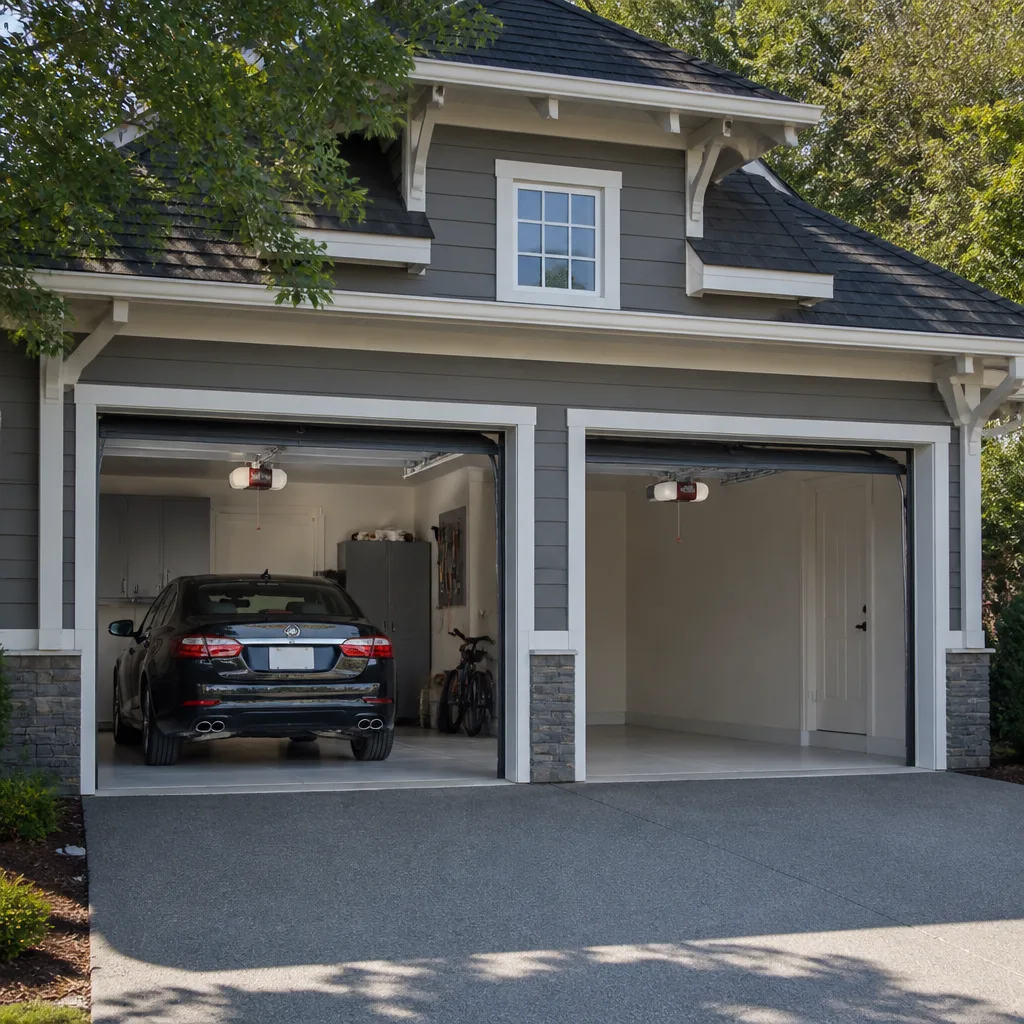 LiftMaster openers
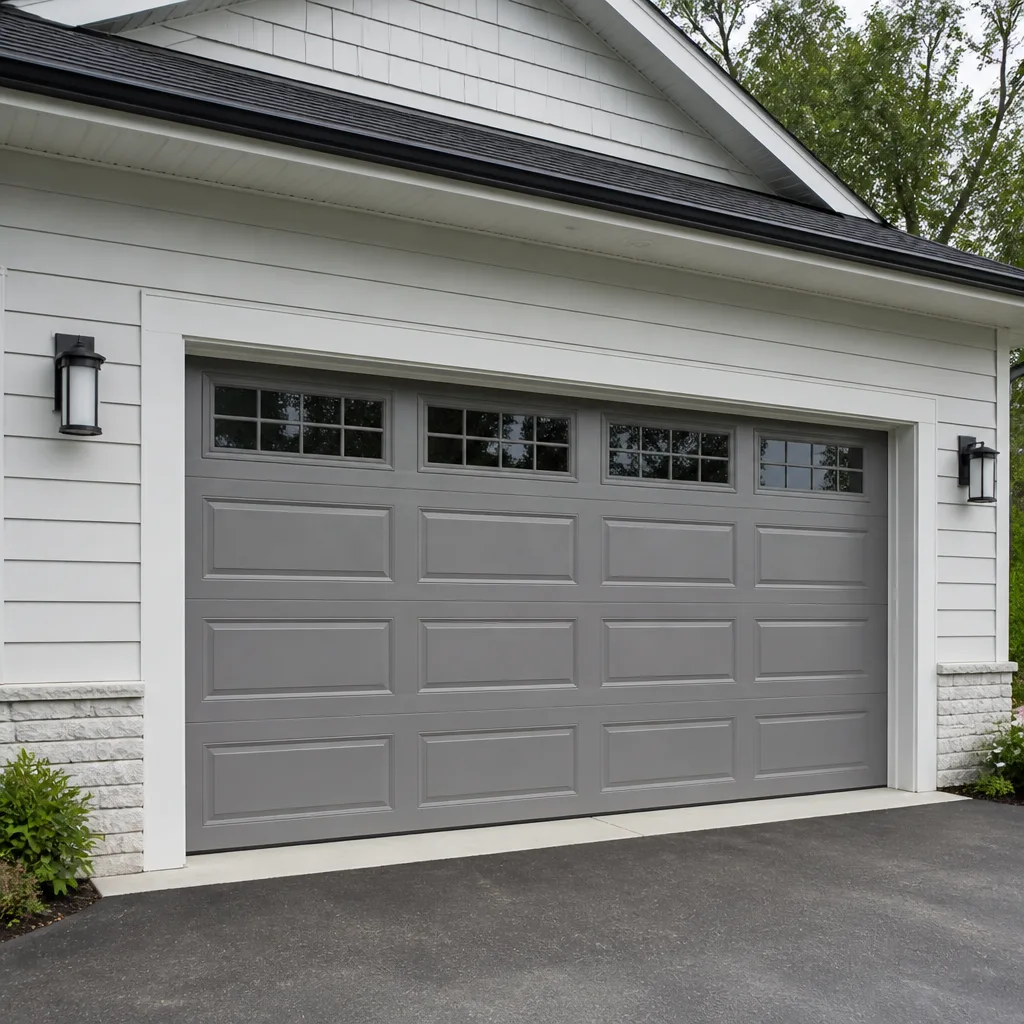 Chamberlain openers
Full 25-point door and opener safety check with every visit - springs, cables, rollers, tracks, and your LiftMaster or Chamberlain opener included
You get a price before we start. It does not change when the pro arrives.
Get your free estimateDIY vs Professional Garage Door: The Belmont Cragin Homeowner’s Decision Guide
Most guides frame this as a single choice: fix it yourself or hire someone. That framing is wrong, and it costs Belmont Cragin homeowners money in both directions. Some garage door work is genuinely safe for a careful homeowner and saves real money. Other tasks, especially anything touching a torsion spring, carry enough injury risk that no amount of confidence makes DIY rational. A torsion spring holds enough stored energy that a slip can cause serious harm, and that single fact reshapes the math. This guide draws the line task by task, in plain terms, so you know exactly where your own skills end and a specialist’s begin. We’ll cover what’s safe, what isn’t, what DIY really costs once tools and time count, and what Illinois rules mean for your insurance.
Quick Answer
Roughly 70 percent of common garage door problems are homeowner-safe: lubrication, safety sensor alignment, opener limit and force adjustment, weatherstripping, and visual inspection. Spring replacement, cable work, and track realignment on a loaded door are not. Those involve stored mechanical energy that can cause serious injury in a fraction of a second, and professional rates for spring work are usually cheaper than the cost of the tools, time, and risk combined. Call a specialist for anything involving springs, cables, or a bent track.
Styles & brands we work with
- Raised-panel steel
- Carriage house
- Modern flush
- Full-view glass
- LiftMaster openers
- Chamberlain openers
Table of Contents
- Where the DIY Line Actually Sits
- DIY-Safe Garage Door Tasks in Belmont Cragin
- The Jobs You Should Never DIY
- The Real Cost Comparison: Tools, Time, and Do-Overs
- Which Brands Are Actually DIY-Friendly
- Illinois Contractor Rules and Your Insurance
- What to Tell a Technician If You’ve Already Tried
- A Belmont Cragin Seasonal Maintenance Calendar
Where the DIY Line Actually Sits
Think of garage door work in three tiers. The first tier is maintenance, and it’s almost all yours to handle. The second is mechanical adjustment on a door at rest with the springs relaxed, which is doable for a patient homeowner who understands what they’re looking at. The third is anything that involves releasing or tensioning stored energy, and that tier belongs to a trained technician. Our technicians have up to 10 years of experience, and in that time the pattern is consistent: the calls that go wrong almost always started with a homeowner crossing from tier one or two into tier three.
Why the hard line at springs and cables? A torsion spring on a standard residential door stores enough force to lift the door’s full weight, and it releases that energy instantly if it slips. A 150-pound door isn’t heavy by human standards until it’s moving with nothing holding it back. DIY spring replacement has a genuinely high injury rate compared to most home repairs, which is exactly why we treat it as a core service rather than an upsell. It’s a high-skill, high-safety job many generalists decline or subcontract out. When we handle garage door repair in Belmont Cragin, spring work is the reason we ask what a door is doing before we quote anything.
That’s the practical line. If a job means you’ll be winding, releasing, or adjusting a spring or cable, stop. Everything else is negotiable.
DIY-Safe Garage Door Tasks in Belmont Cragin
These are the tasks a careful homeowner can do without special tools or added risk. We’d rather you handle these well than call us for something a five-minute job would fix.
- Lubrication. Apply a garage door lubricant to the hinges, rollers, and the torsion bar bearings a few times a year. Don’t use household oil or WD-40 on the tracks; those attract grit and gum up the rollers.
- Safety sensor alignment. If your door reverses on its own or won’t close, check that the two sensors at the base of the track are lined up and the lenses are clean. A bumped sensor is the most common cause of a door that refuses to close.
- Opener limit and force adjustment. Every opener has dials or buttons for travel limit and force. A door that stops short or reverses mid-travel can often be fixed by a small adjustment following the opener’s own manual.
- Weatherstripping and bottom seal. The rubber seal at the bottom of the door wears out and lets in drafts. Replacing it is a straightforward job with basic hand tools.
- Visual inspection. Look for frayed cables, worn rollers, loose hinges, and a door that looks crooked. You’re not fixing anything here, just catching problems early.
- Remote and keypad programming. Adding a remote or resetting a keypad code is in the manual and takes minutes.
- Cleaning the tracks. A dry cloth and a stiff brush clear most debris. Don’t apply grease to the tracks.
If a door in Belmont Cragin is squealing or grinding after you’ve lubricated it, that’s usually a worn roller or a bearing starting to fail, and it’s worth having checked. If it’s an opener problem, garage door opener repair is where a technician can diagnose the motor and logic board rather than guessing.
The Jobs You Should Never DIY
This is the short list, and it’s short on purpose. These jobs are physically dangerous and don’t become less dangerous with confidence.
- Torsion spring replacement. The spring above your door holds enough stored energy to cause severe injury. There’s no safe way to release or tension it without the proper winding bars and training. This is the single task we most want homeowners to leave alone.
- Extension spring replacement. Same idea, different mechanism. The springs run along the tracks, and a snap or slip can whip loose.
- Cable replacement or adjustment. Cables are under tension and can fail suddenly. A snapped cable is also a symptom that the spring is failing, which means the job is bigger than it looks.
- Track realignment on a loaded door. Adjusting a track while the door is under spring tension can drop the door or send a roller loose. If a track is bent, stop and call.
- Replacing the bottom bracket or roller behind a cable. The bottom bracket is under a lot of load and is one of the most dangerous parts on the door.
None of these are “hard” in the sense of complicated. They’re dangerous in the sense that a mistake happens fast and hurts. That’s the whole argument. There’s no shame in doing everything else yourself and calling for these.
The Real Cost Comparison: Tools, Time, and Do-Overs
The typical homeowner undercounts the cost of DIY by leaving out three things: tools, time, and the chance of a second attempt. A spring job done right needs winding bars and usually a new center bearing plate. That’s a real outlay for equipment you’ll use once. Add the hours spent watching videos, working slowly, and the ladder time, and the true cost of a “free” repair starts climbing. Now factor in the callback probability on spring and cable work; a first attempt that doesn’t hold means buying parts twice and paying for a technician on top of what you already spent.
Here’s the rough shape of a professional repair in the Belmont Cragin market:
- Torsion spring replacement: quoted per spring, and because a matched pair is almost always replaced together, a pair costs roughly twice a single spring.
- Extension spring replacement: similar logic; pairs are usually done together.
- Cable replacement: priced per cable on a written estimate.
- Opener repair or adjustment: an hourly diagnostic plus parts.
- Bottom seal and weatherstripping: bundled with labor on a service visit.
We quote every job before we start, and the written estimate is what you pay. If you’re weighing whether to attempt a repair yourself, ask us for a free estimate first. It costs nothing and gives you a real number to compare against your own time and tool costs. The right fix is often less than the homeowner expected, and occasionally it’s “that doesn’t need replacing yet.”
Which Brands Are Actually DIY-Friendly
Not every opener or door is built the same way, and some manufacturers assume a homeowner will only adjust the basics while others put more into the manual for the installer. In our experience, the brand on your hardware tells you how far a confident DIYer can go before the manual starts assuming professional tools.
Chamberlain and Craftsman openers are the most common in the residential market, and their documentation is generally clear enough for a homeowner to program remotes, set limits, and adjust force. The drive systems are usually replaceable with parts that are easy to source, which is also why we stock the parts. LiftMaster units share a lot with Chamberlain under the hood, and the popular belt and chain drive models are usually straightforward for the safe-tier jobs.
Raynor and Amarr sit on the more professional-install side; the manuals often assume installer tools and knowledge. That’s not a knock on the product, it’s just a reality of the manual. If you’re considering a full replacement, garage door installation is genuinely not a DIY project for a spring-loaded door of any brand. We’ll tell you what you have and what’s reasonable to fix yourself.
Illinois Contractor Rules and Your Insurance
Illinois takes home improvement contracting seriously. The state requires home improvement contractors to be licensed and to provide certain written disclosures when they quote a job above a threshold. For you, that matters most when unpermitted work touches your homeowner’s insurance. If a DIY repair or replacement causes damage later and your insurer determines it wasn’t done to code or standard, a claim can be denied or reduced. A documented, licensed repair gives you a paper trail. It’s one more reason the dangerous jobs aren’t worth doing yourself: the savings you think you’re getting can disappear at the exact moment you need the coverage.
If you’re replacing a door, ask your village or the City of Chicago’s building department whether a permit applies to your property. Requirements vary by jurisdiction and by the type of structure. We don’t invent a rulebook; the safest move is to ask before the work begins, because the permitting question is about your specific property. That’s the kind of thing we’ll help you sort through on a free estimate.
What to Tell a Technician If You’ve Already Tried
If you’ve attempted a repair and it’s still not right, we’d rather know than figure it out slowly on your dime. Tell us four things in this order:
- What the door was doing before you started (noisy, stuck, reversing, off its track).
- What you changed, replaced, or adjusted, even if it seemed small.
- Whether you replaced a spring or cable, and whether you used a matched set or a single part.
- What the door does now that’s different, including sounds, jerking, or a gap at the bottom.
That last one matters most in Belmont Cragin, where seasons change abruptly and a door that worked in summer can tell you something different by the first cold snap. If you replaced a single spring with one that doesn’t match the other, the door is under uneven tension and that gets addressed before anything else. Be honest with the technician. Nobody judges a homeowner for trying; the goal is getting to the right fix without wasting time or money.
A Belmont Cragin Seasonal Maintenance Calendar
Belmont Cragin sits on Chicago’s northwest side, which means the garage door sees real extremes. Cold, wet winters bring freeze-thaw at the door’s bottom seal. Hot, humid summers swell wood and warp lighter-gauge doors. Neither extreme is dangerous, but both wear parts faster than in a mild climate, and a maintenance rhythm that respects the seasons saves you money over a year.
- Early spring. Check the bottom seal for freeze damage, and clean the tracks of grit from winter road salt and sand tracked into the garage.
- Late spring. Lubricate hinges and rollers, and test the safety sensor alignment after months of cold contraction.
- Early fall. Inspect cables and springs for factory wear, and check the door balance: lift it halfway by hand and it should hold. If it falls, the springs are due.
- Late fall. Re-lubricate, adjust weatherstripping to seal against drafts, and set any seasonal limits on the opener if the door is closing harder than it did in summer.
A door that fails in February is a different conversation from a door that fails in July. Once a year, walk around the inside of the door with a flashlight. If anything looks frayed, bent, or rusted, that’s the prompt to call before something breaks.
Common Mistakes to Avoid
- Assuming a spring is just a spring. A torsion spring and an extension spring fail differently. The wrong replacement causes uneven tension and shortens the door’s life. Match the spring to the door’s weight and original spec.
- Buying a “universal” spring online. Universal springs don’t exist. Springs are rated by wire gauge, inside diameter, and length, and the wrong one will either fail fast or damage the door. Get the exact part.
- Replacing one spring in a pair. If one spring broke, the other has the same hours on it. Replace the matched pair. Single-spring replacement is a callback waiting to happen, and we see it often in Belmont Cragin.
- Greasing the tracks. Track grease collects grit and makes rollers bind. Use a dry lubricant on the door’s moving parts, not on the tracks.
- Adjusting opener force to “fix” a heavy door. If the door is hard to lift, the springs are the problem, not the opener. Cranking the force up makes the opener work harder and it will eventually burn out.
- Ignoring a gap at the bottom. A worn seal lets in mice, drafts, and winter moisture that warps the door frame. Replace it before winter.
- Skipping the warranty check. A door or opener still under warranty may be voided by DIY work. Check before you touch it.
See the difference
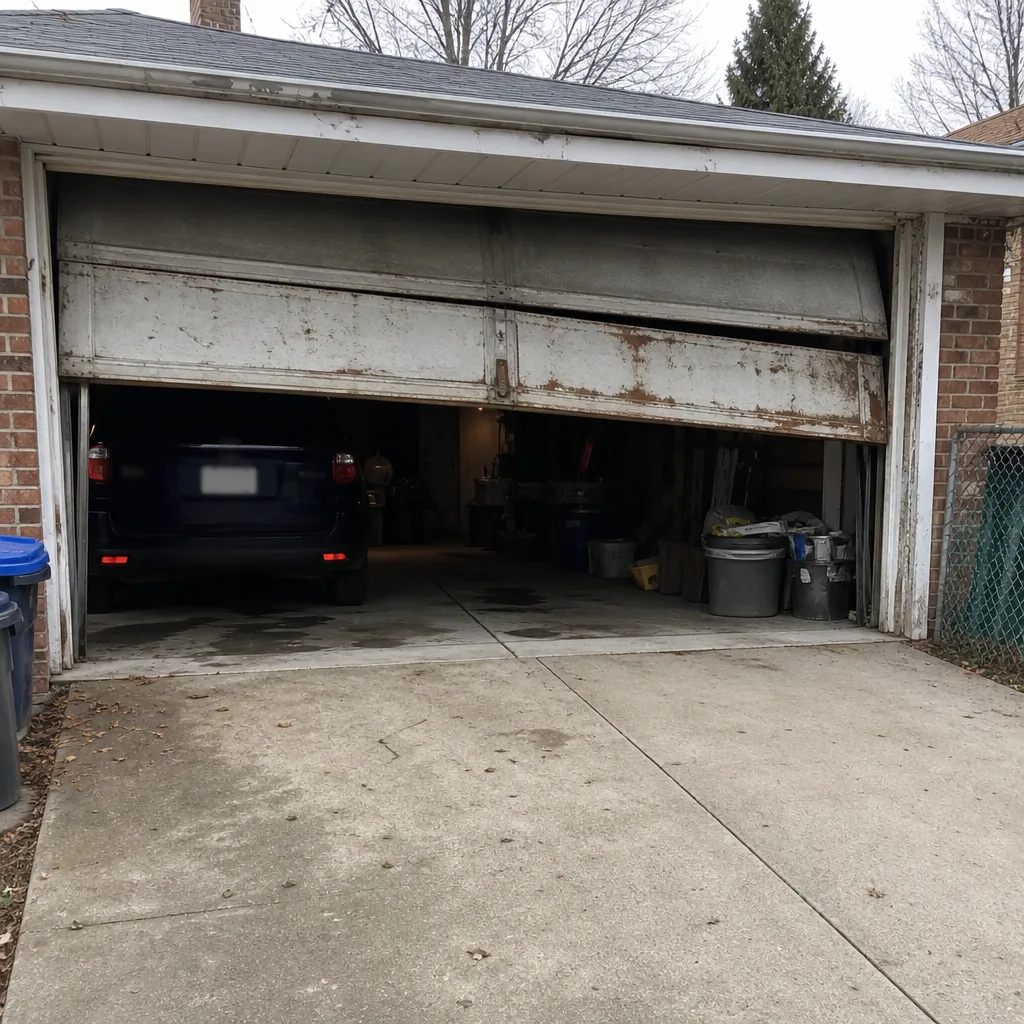 Before
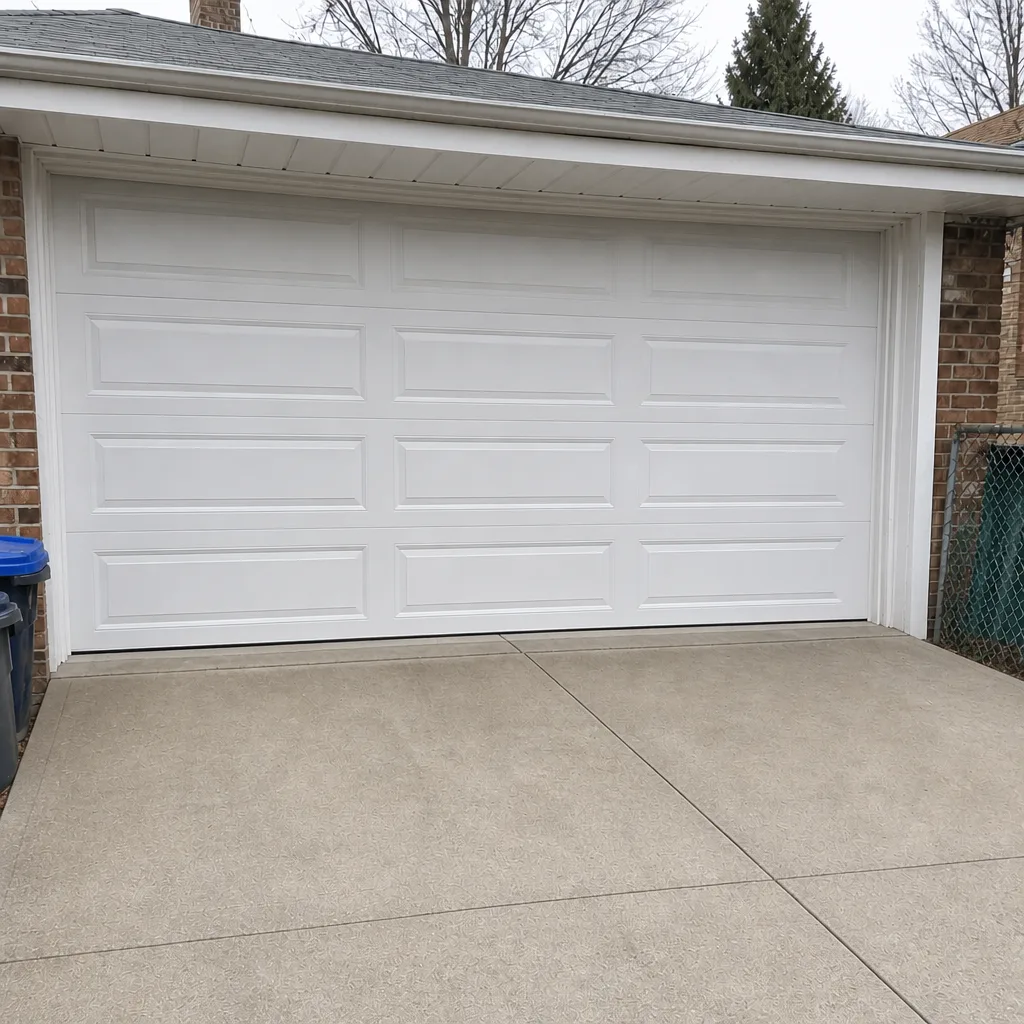 After
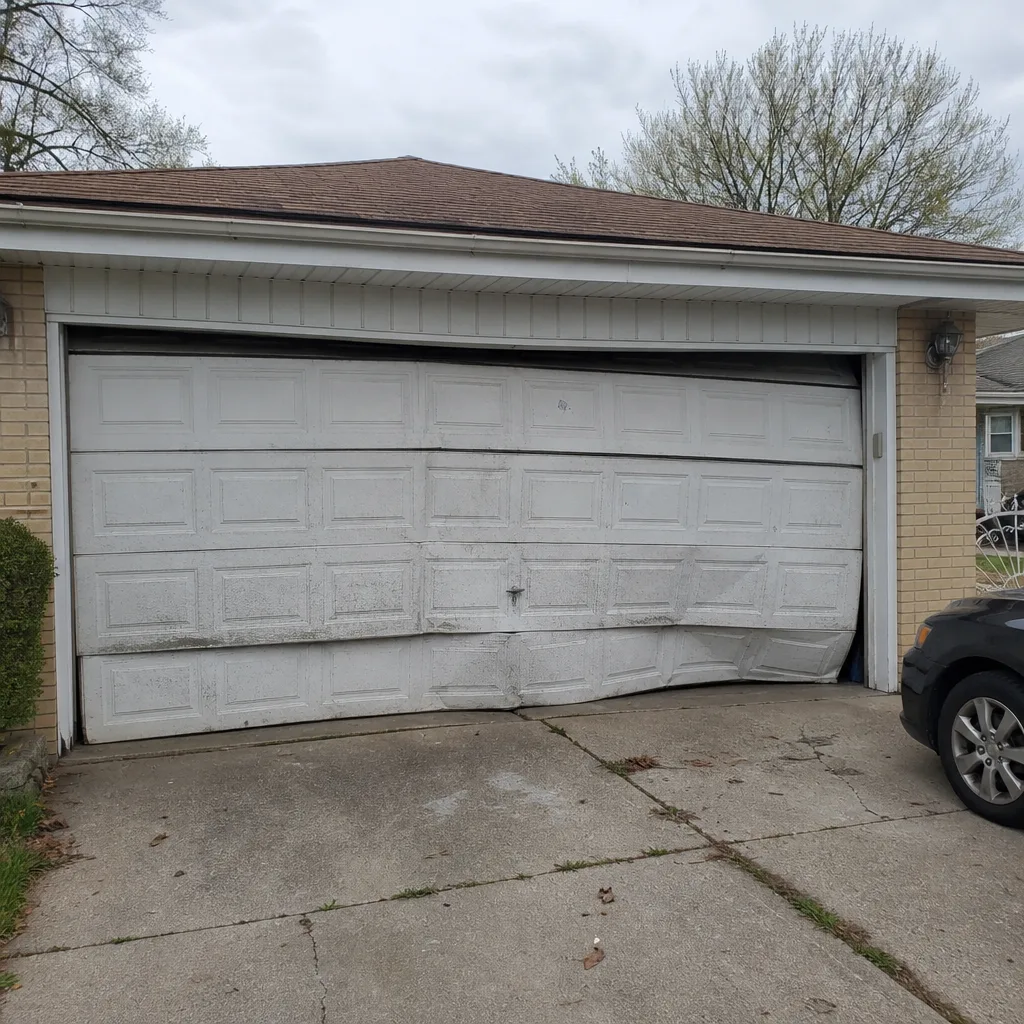 Before
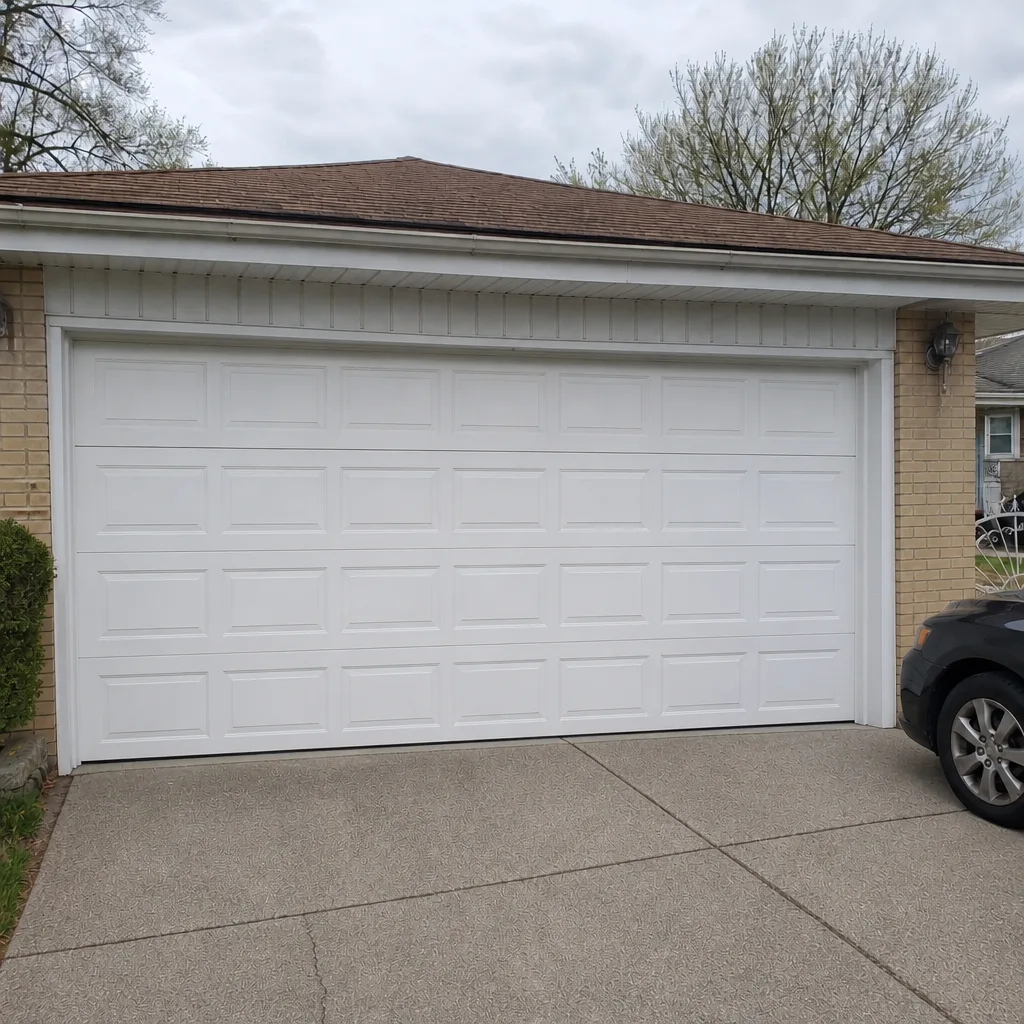 After
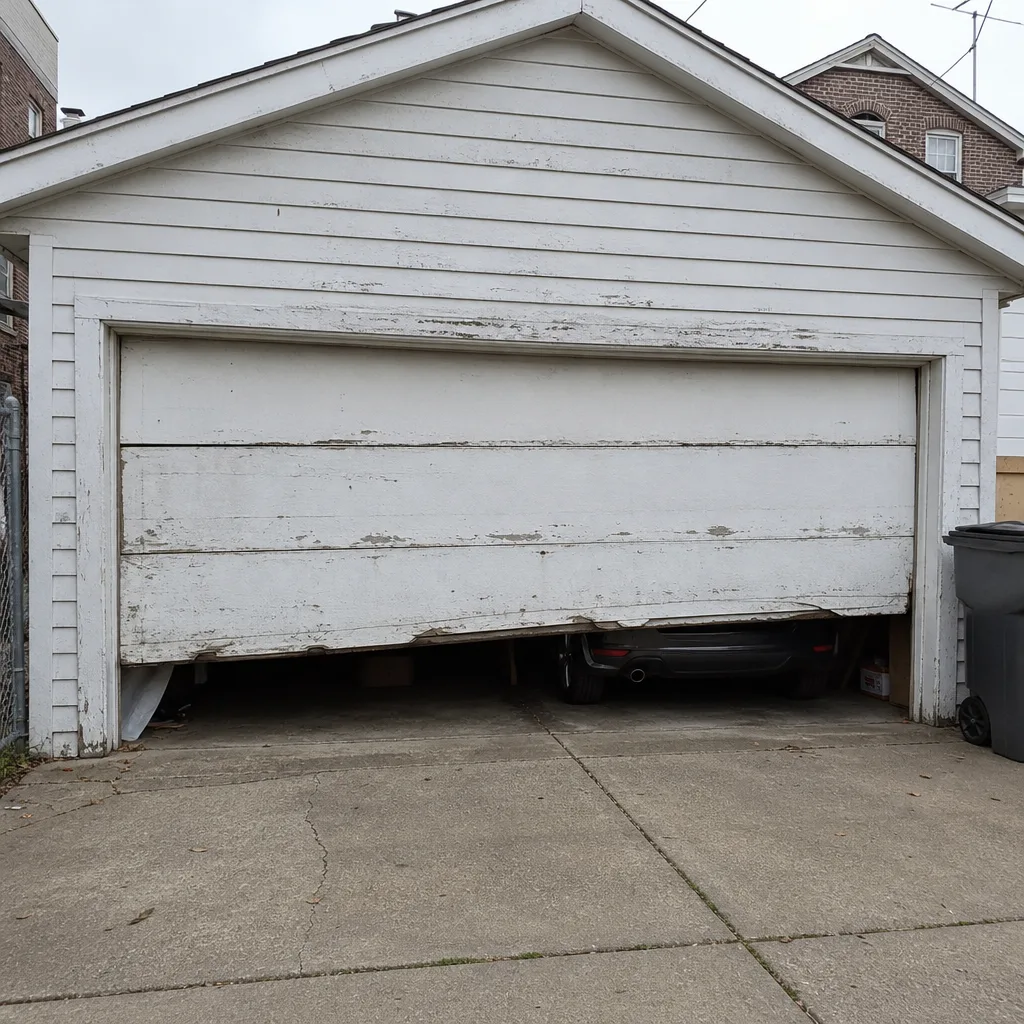 Before
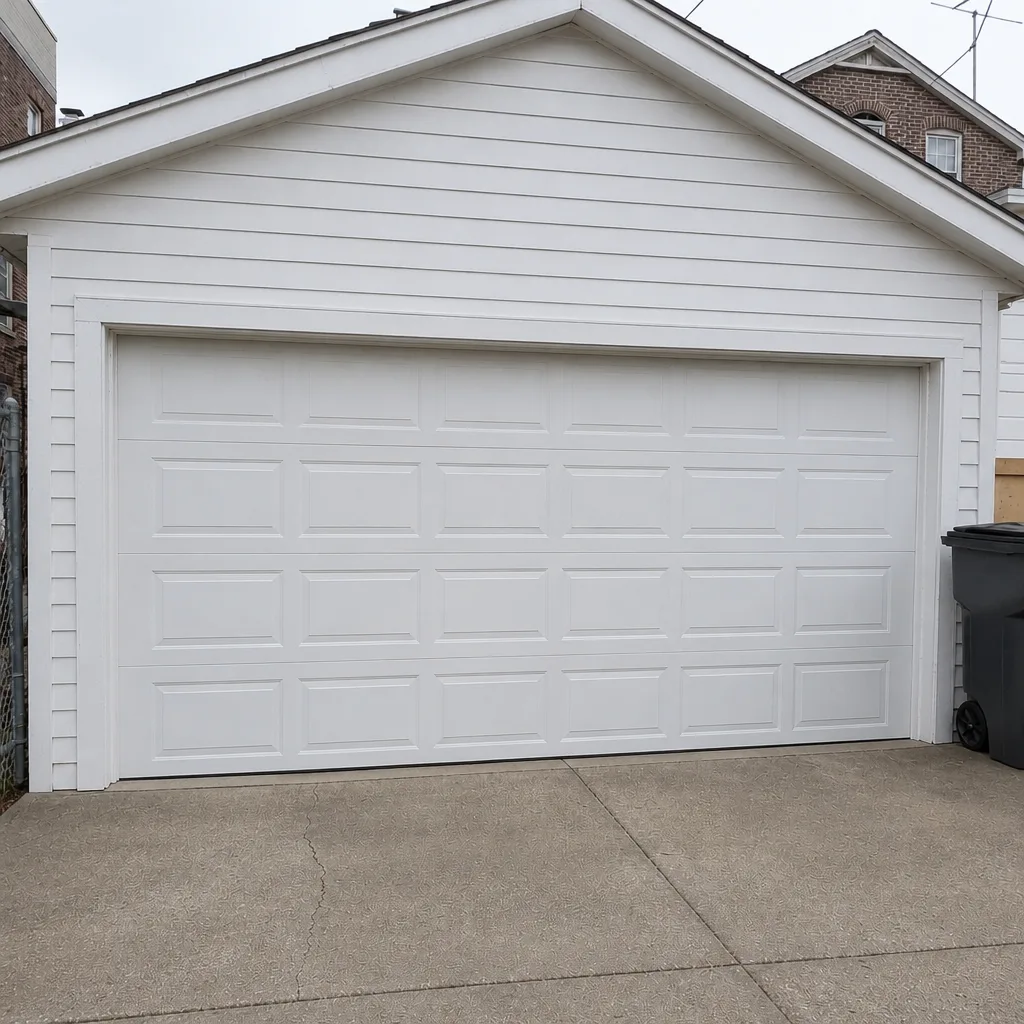 After
When to Call a Professional
Call us if any of these are true: the door is off its track, a spring or cable has broken, the bottom bracket is loose, or the door falls freely when you lift it by hand. Also call if you’ve tried a repair and the door isn’t right yet. These are the jobs where DIY has real downside, and the ones a specialist handles quickly. For milder problems, a quick phone conversation can often tell you whether it’s a five-minute fix or a technician visit. Garage Door Repair Belmont Cragin offers free estimates in Belmont Cragin. Call (833) 468-5695 to book one. We’re closed Saturdays, but you’re welcome to call and we’ll schedule you for Sunday or early in the week.
Frequently Asked Questions
No. Torsion and extension springs store enough energy to cause serious injury if released without the right training and tools, and DIY spring replacement has a high injury rate for that reason. It’s the one job we most strongly recommend against. Call (833) 468-5695 for a free estimate if you need spring work.
Some of it, yes. Lubrication, sensor alignment, limit adjustment, weatherstripping, and remote programming are all homeowner-safe. Spring, cable, and loaded-track work are not. If you stick to the safe list and call for the rest, you’re doing it right. Call (833) 468-5695 for a free estimate on the parts you shouldn’t touch.
Chamberlain and Craftsman openers are the most common in residential homes, and their manuals are generally written so a homeowner can program remotes, set travel limits, and adjust force. LiftMaster units share many design features with Chamberlain. Raynor and Amarr tend to assume installer tools. That’s a guide, not a rule, so check your own manual. Call (833) 468-5695 if you’re unsure.
It can. If an unpermitted or improper repair causes damage later and the insurer determines it wasn’t done to code or standard, a claim can be reduced or denied. A licensed, documented repair is what protects you. Call (833) 468-5695 for a free estimate so the job is on record.
Spring replacement is the most common repair, and each spring is quoted individually. Because a matched pair is almost always replaced together, expect a pair to cost about twice a single spring. Opener repairs are priced on a diagnostic plus parts. The written estimate sets the final price, and it’s free. Call (833) 468-5695 for an exact quote.
Tell them what the door was doing, what you changed, whether you used a matched pair or a single part, and what the door does now differently. Honesty gets you to the right fix faster. Call (833) 468-5695 and we’ll put that information in front of the technician before the visit.
The Bottom Line
The DIY question isn’t yes or no; it’s which task. Handle lubrication, sensor alignment, limit adjustment, weatherstripping, and visual inspection yourself, and do it on a schedule that respects Belmont Cragin’s cold winters and humid summers. Never touch springs, cables, the bottom bracket, or a loaded track. The savings from a DIY spring job aren’t real once you add winding bars, time, and the chance of a do-over, and the injury risk makes the trade unacceptable. If you’re not sure which side of the line a task sits on, ask. A free estimate costs nothing and settles the question. When you’re ready, call (833) 468-5695 for a written, fixed price before any work begins. You can also start with our Garage Door Repair Belmont Cragin to see the full range of what we handle.
Written by the team at Garage Door Repair Belmont Cragin.